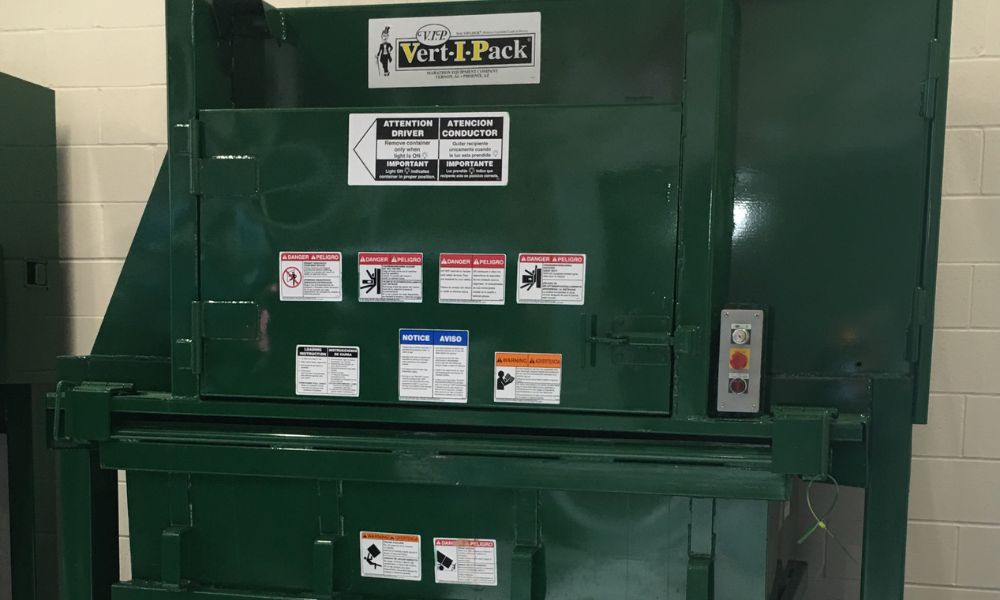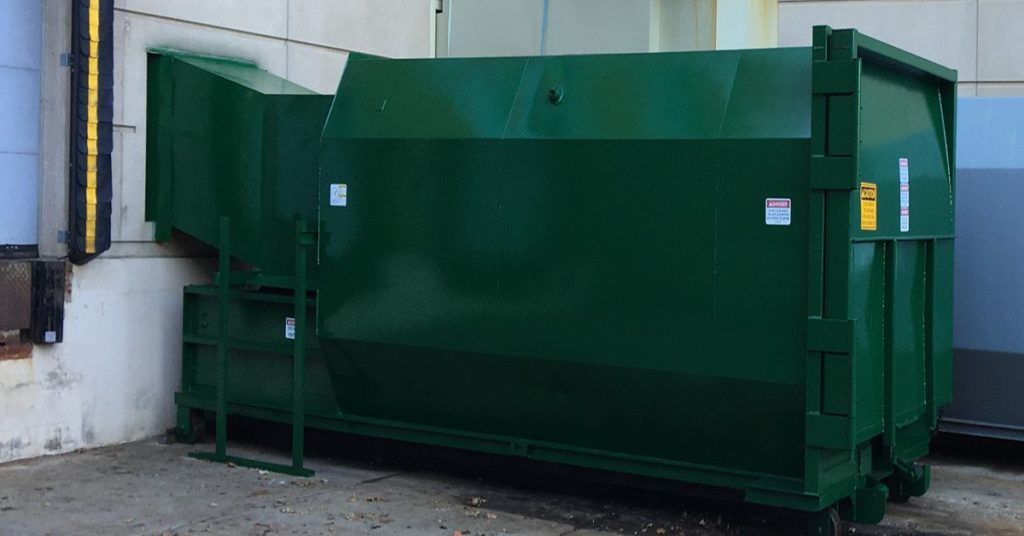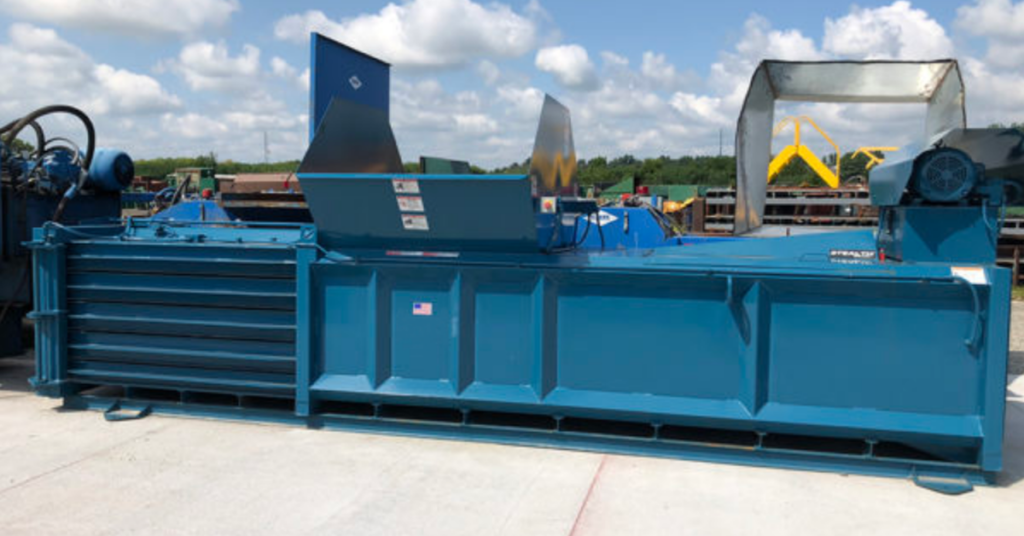
Commercial balers help businesses turn bulky recyclable materials into dense, manageable bales that take up less space and simplify material handling. Facilities that generate steady or high volumes of cardboard, paper, plastics, and similar recyclables can use baling equipment to create a cleaner, more organized waste stream. The right baler can also reduce the amount of loose material that teams need to store, move, and prepare for recycling pickups. Compactor Rentals of America examines what material you can put in a commercial baler and why following this guidance can save your equipment.
Why Material Type Matters When Using a Commercial Baler
A commercial baler uses substantial force to compress recyclable materials, so operators need to match the equipment to the material they plan to process. Different materials vary in density, flexibility, moisture content, and how they react under pressure, which affects the baling process. A facility that handles mostly corrugated cardboard may need a different equipment configuration than a business that processes large quantities of plastic film or mixed paper. Choosing equipment around the actual waste stream helps teams maintain efficient workflows and avoid unnecessary handling.
Material selection also affects the quality and usefulness of the finished bale. Clean, properly sorted recyclables generally create more uniform bales that teams can stack, store, and transport more efficiently. Contamination can lower the value of recyclable material and create problems for recycling partners, so facilities should establish clear sorting procedures before material reaches the baler. Compactor Rentals of America works closely with businesses to evaluate waste volume, material type, facility layout, and operational goals before recommending a baling solution.
Corrugated Cardboard and OCC
Corrugated cardboard ranks among the most common materials businesses process with commercial balers because warehouses, retailers, distribution centers, manufacturers, and many other facilities generate it every day. Recycling professionals often refer to used corrugated boxes and shipping cartons as OCC, or old corrugated containers. Loose OCC can quickly consume valuable floor, dock, or storage space when employees stack flattened boxes or place them in collection areas. A baler compresses that bulky material into dense units that make storage and transportation easier to manage.
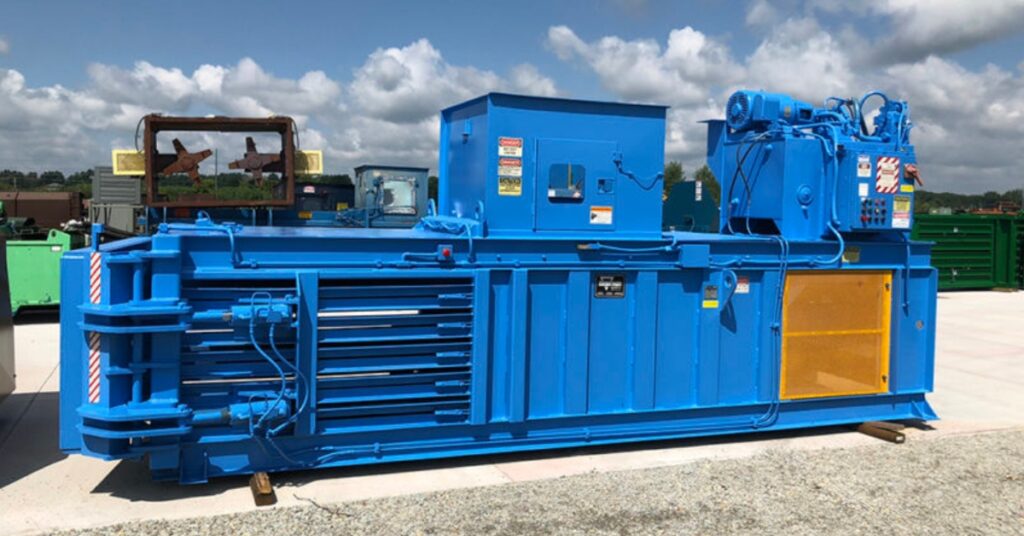
Facilities should remove obvious contaminants and non-recyclable contents before loading cardboard into a baler. Employees should also follow the equipment manufacturer’s operating requirements rather than forcing oversized or unsuitable items into the loading area. High-volume operations can benefit from equipment designed for continuous processing because cardboard often enters the waste stream throughout the workday. For these facilities, a horizontal baler machine can support higher throughput while producing consistent bales that fit more efficiently into recycling and transportation workflows.
Paper Products and Mixed Paper
Many commercial balers can process paper products, including office paper, newspapers, magazines, paperboard, and other recyclable fiber materials when the equipment supports those materials. Businesses, such as offices, printers, fulfillment centers, retailers, and manufacturing facilities, may generate enough paper waste to make baling a practical part of their recycling program. Compressing loose paper reduces the space that bins, carts, or storage areas need to hold the same amount of recyclable material. It also gives teams a more organized method for preparing paper for collection or transfer.
Businesses should separate paper according to the requirements of their recycling partner because buyers and processors may accept different grades or mixtures. Wet, food-soiled, wax-coated, or heavily contaminated paper may not belong in the same recycling stream as clean paper products. Employees need clear signage and straightforward sorting rules so that contaminants don’t enter the baler with acceptable material. A well-managed paper stream supports better bale consistency and can make downstream recycling easier for everyone involved.
Plastic Film, Shrink Wrap, and Select Plastics
Commercial operations often generate flexible plastic materials, such as shrink wrap, stretch film, and certain packaging films, around pallets, products, and shipments. Appropriate balers can compress these lightweight materials into denser bales, which can prevent loose plastic from consuming storage space or creating clutter around work areas. Distribution centers, warehouses, manufacturers, and large retailers may find this capability especially useful because packaging film can accumulate quickly. Baling gives facilities a controlled way to consolidate compatible plastics before they move to a recycler.
Not every plastic belongs in every baler, so facilities should confirm material compatibility before loading rigid plastics, films, or other resin types. Different recycling partners may also require businesses to separate plastics by type, cleanliness, or grade before pickup. Teams should keep incompatible materials, excessive contamination, and liquids out of the baling stream unless the equipment and recycling program specifically allow them. CRA can help businesses evaluate the types and quantities of plastic they generate when determining the right equipment configuration.
Other Recyclable Materials a Baler May Handle
Some commercial balers can process additional recyclable materials beyond cardboard, paper, and flexible plastics, but compatibility depends on the specific equipment and recycling program. Facilities should never assume that a material belongs in a baler simply because it can physically fit through the loading opening. Equipment specifications, bale requirements, material density, and recycler acceptance all influence whether a particular item makes sense for baling. Businesses should verify these factors before expanding their baling program to a new material stream.
Common materials that may work with suitable commercial baling equipment include:
- Old corrugated containers and clean cardboard
- Office paper, newspapers, and selected mixed paper
- Paperboard and compatible fiber packaging
- Stretch film and shrink wrap
- Selected recyclable plastic films
- Certain compatible textiles or other recyclables when approved for the equipment
Materials You Should Keep Out of a Commercial Baler
A baler shouldn’t serve as a catchall for ordinary trash, liquids, food waste, or unknown materials. Loading unsuitable items can contaminate recyclable material, interfere with operations, damage equipment, or create avoidable service issues. Facilities should establish a clear list of approved materials based on the baler model, manufacturer guidance, and recycling partner requirements. Employees should know where nonapproved waste belongs so that they don’t place it into the baling stream for convenience.
Businesses should also keep hazardous, pressurized, combustible, or otherwise incompatible materials away from baling equipment unless the equipment manufacturer explicitly designed and approved the system for that use. Operators should never guess when they encounter an unfamiliar material or unusual container. A supervisor, equipment provider, or recycling partner can confirm the proper handling method before employees proceed. Strong material controls protect the recycling stream and help the baler perform the job the facility selected it to do.
Improve Recycling Efficiency With Compactor Rentals of America
It’s important to know exactly what materials you can put in a commercial baler to preserve your equipment. Compactor Rentals of America helps businesses across the lower 48 states find commercial baler solutions that align with their waste volume, facility layout, and recycling goals. CRA’s full-service rental approach gives organizations access to high-performance equipment while reducing the capital investment and maintenance responsibilities that come with ownership.
From equipment selection and installation to training, service, and ongoing support, CRA can help facilities build a more efficient approach to recyclable material management. Contact Compactor Rentals of America to discuss your material stream and determine which baler configuration best fits your operation.