Launching a recycling program at your company is good for the planet and your business. Companies with strong recycling initiatives often see reduced waste disposal costs, improved employee morale, and enhanced brand reputation. But where do you start?
Creating an effective recycling program for your company requires more than placing a few bins around the office. You need a clear strategy, employee buy-in, and the right infrastructure to make it work. Whether you’re starting from scratch or looking to improve an existing program, these practical tips will help you build a recycling initiative that delivers real, actionable results.
Conduct a Waste Audit First
Before you implement any changes, you must understand what your company is throwing away. A waste audit reveals the types and volumes of materials your business generates, helping you identify opportunities for reduction and recycling.
Walk through your facility and examine waste bins in different areas. Note what employees discard most frequently—paper, cardboard, plastics, food waste, or electronics. Track waste generation for at least one week to establish baseline data. This information will guide your decisions about which materials to prioritize and what equipment you’ll need.
Set Clear, Measurable Goals
Vague intentions won’t drive change. Establish specific, measurable recycling targets that align with your company’s values and capabilities.
Your goals might include:
- Divert 50 percent of waste from landfills within 12 months
- Reduce overall waste generation by 25 percent in the first year
- Achieve zero waste to landfill within three years
- Recycle 100 percent of office paper and cardboard
Document these objectives and share them across your organization. Clear targets create accountability and give employees something tangible to work toward.
Identify What Materials You Can Recycle
Not all materials are recyclable in every location. Research what your local recycling facilities accept before making promises you can’t keep.
Common recyclable materials in most commercial settings include paper, cardboard, aluminum cans, glass bottles, and certain plastics. However, contamination remains a major issue. A single greasy pizza box can contaminate an entire batch of recyclable cardboard.
Choose the Right Equipment and Infrastructure
Your recycling program needs appropriate bins, signage, and collection systems. The right infrastructure makes recycling convenient and reduces contamination.
Place clearly labeled recycling bins in high-traffic areas where employees naturally congregate—break rooms, copy rooms, near printers, and in conference rooms. Use color-coded bins with visual guides showing what belongs in each container. Images work better than text alone, especially in multilingual workplaces.
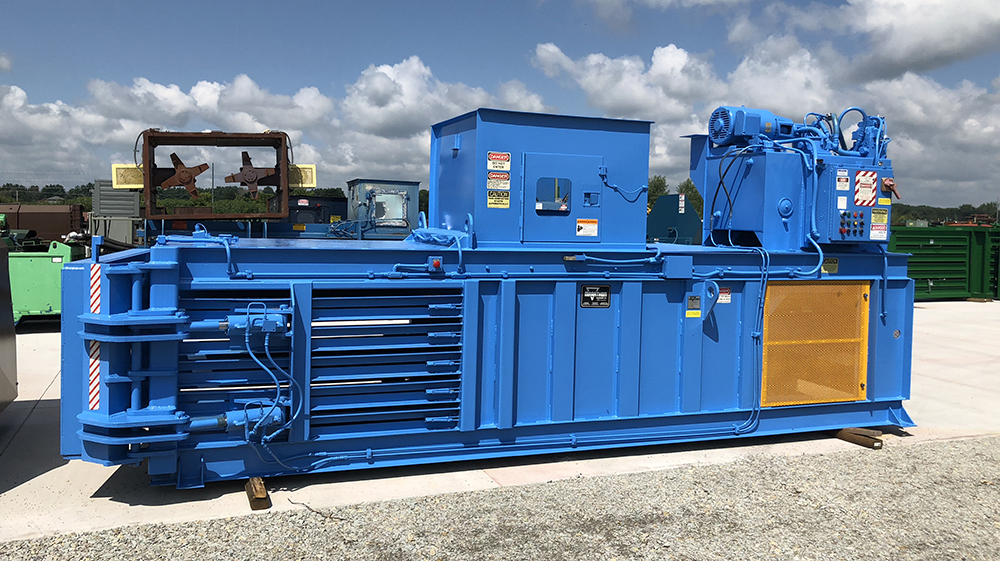
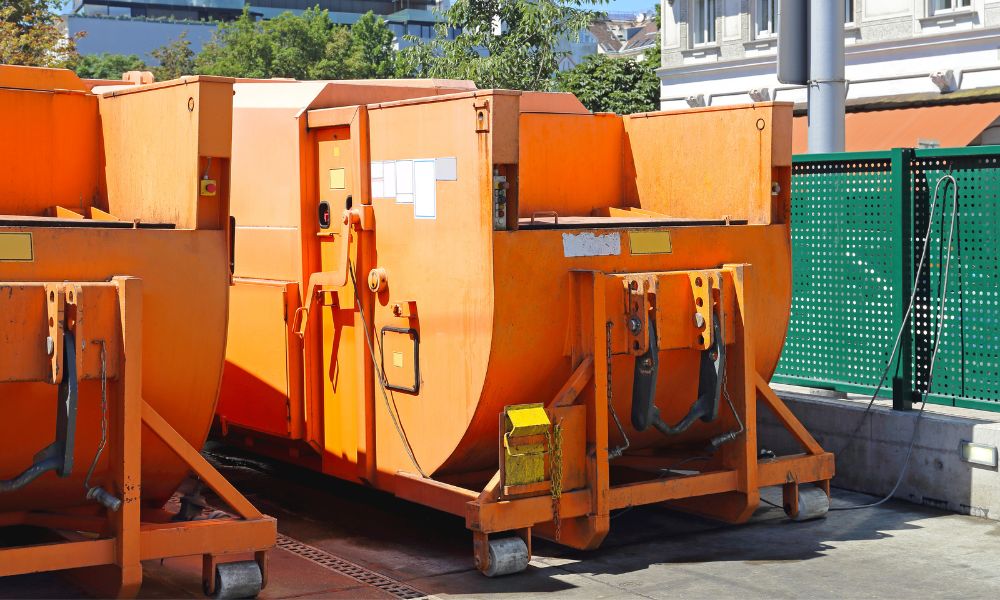
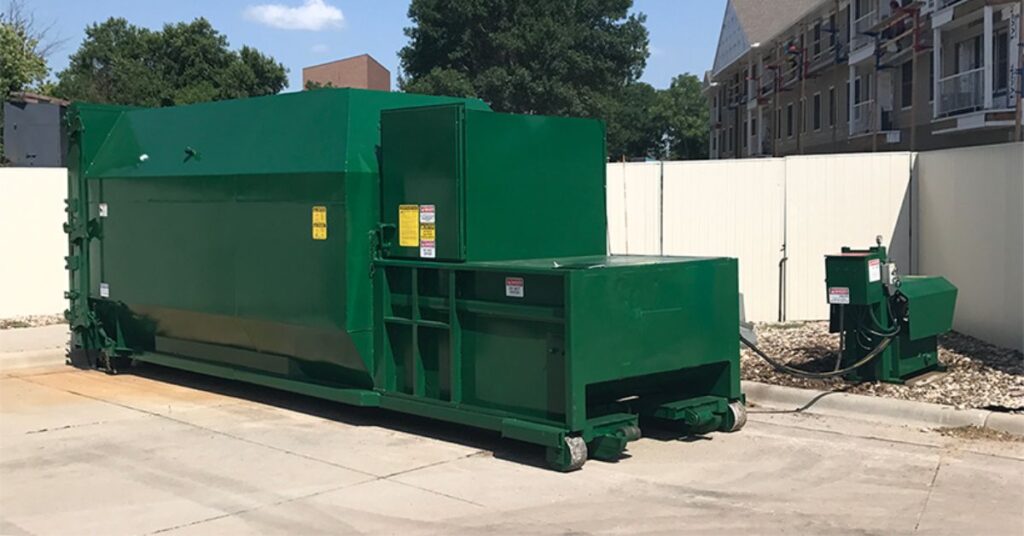
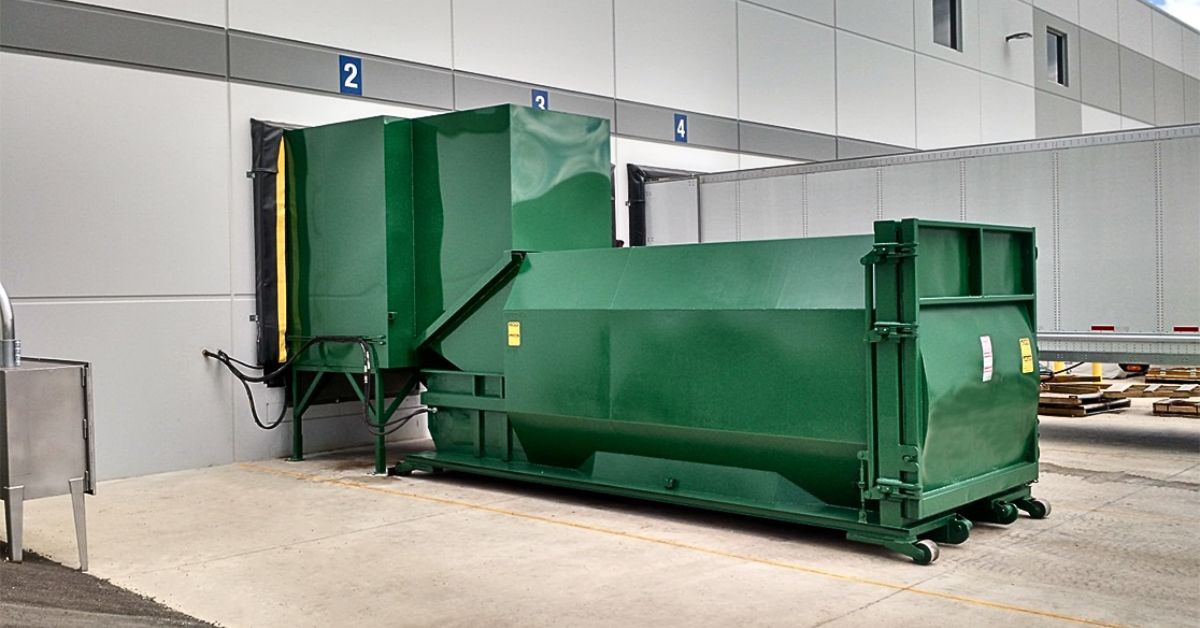
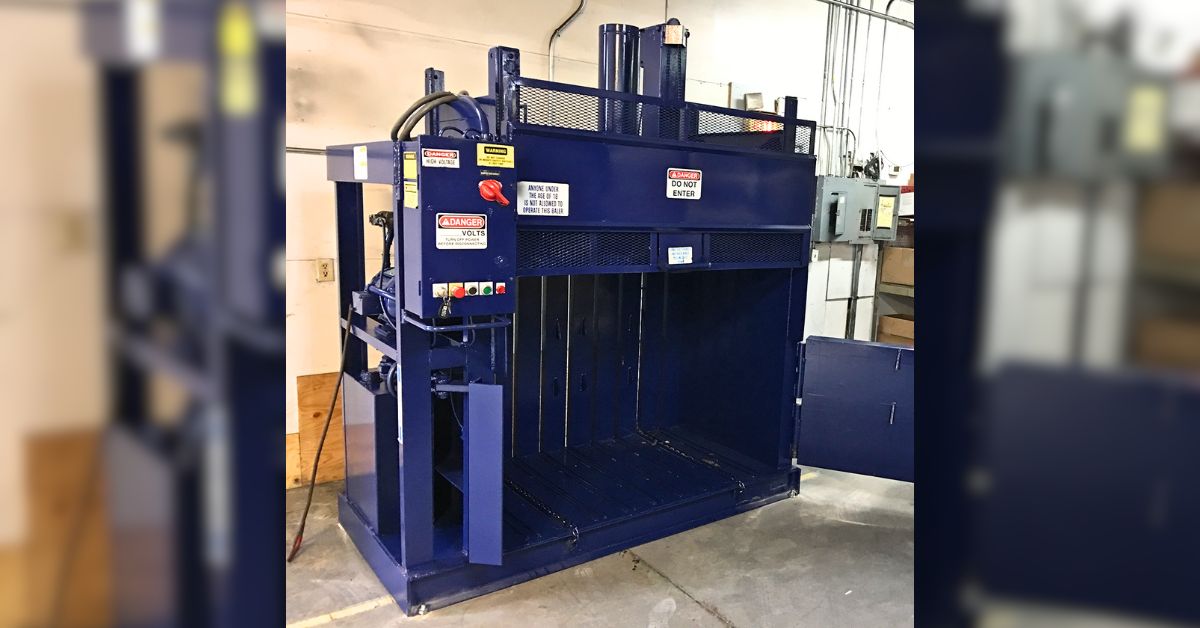
For companies generating large volumes of recyclable materials, consider compactor and baler rental to reduce the space and frequency needed for pickups. These tools compress materials, making storage and transportation more efficient while potentially reducing your waste management costs.
Designate a Recycling Coordinator
Someone in your organization must own this initiative. Appoint a recycling coordinator or form a green team to oversee program implementation, monitor progress, and troubleshoot issues.
This person or team should conduct regular inspections of recycling bins to check for contamination, coordinate with waste haulers, track recycling metrics, and serve as the go-to resource for employee questions. Give them the authority and resources to make decisions that keep the program running smoothly.
Train Employees Thoroughly
Even the best-designed program will fail without proper employee training. People need to understand what to recycle, how to prepare materials, and why it matters.
Hold mandatory training sessions for all staff members. Use real examples from your workplace to demonstrate correct sorting. Address common questions and misconceptions. Make training engaging rather than preachy—focus on practical benefits and easy actions employees can take.
Don’t stop after the initial training. Provide regular refreshers, especially when you introduce new recyclable materials or change procedures. New employees should receive recycling orientation during onboarding.
Create Visible, Effective Signage
Clear signage reduces contamination and helps employees make quick decisions about where items belong.
Place signs directly on or above bins with simple, visual instructions. Use photos or illustrations of acceptable items rather than relying solely on text. Avoid recycling symbols alone—they confuse more than they clarify.
Update signage when you add or remove materials from your program. Faded or outdated signs signal that management doesn’t prioritize the program, which undermines employee participation.
Address Contamination Quickly
Contamination is the enemy of effective recycling. When nonrecyclable materials end up in recycling bins, they can ruin entire batches and increase processing costs.
Monitor bins regularly for contamination. When you spot problems, address them immediately through targeted communication. If a specific area struggles with contamination, provide additional training or improve signage in that location.
Avoid shaming employees who make mistakes. Instead, use contamination incidents as teaching opportunities. A friendly reminder or clarification about proper sorting is more effective than criticism.
Partner With the Right Waste Management Provider
Your waste management provider should support your recycling goals, not just haul away your trash.
Look for providers who offer comprehensive recycling services, flexible pickup schedules, and clear communication about what they can and cannot recycle. They should provide accurate reporting on your waste and recycling volumes, helping you track progress toward your goals.
Ask potential providers how they handle contaminated loads and what education resources they offer to improve your program. The right partner becomes an extension of your team, invested in your success.
Build a Culture That Values Sustainability
Recycling programs work best when they’re part of a larger company culture that prioritizes environmental responsibility.
Leadership must demonstrate commitment through their actions and decisions. When executives visibly participate in recycling efforts and factor environmental impact into business decisions, employees follow suit. Incorporate sustainability into company values, recognition programs, and performance evaluations where appropriate.
Encourage employee suggestions for improving the program. The people doing the work often have the best insights into what’s working and what isn’t. Creating channels for feedback shows you value their input and strengthens their investment in the program’s success.
Your Recycling Program Starts Now
Creating an effective company recycling program takes planning, commitment, and ongoing attention. Start with a thorough waste audit, set clear goals, and invest in the infrastructure and training that will set your team up for success. Monitor your progress, address challenges quickly, and celebrate your wins.
The environmental and financial benefits of a well-run recycling program are clear. Companies that take waste management seriously reduce costs, improve their reputation, and create workplaces where employees feel proud to contribute to something bigger than themselves. Take the first step with Compactor Rentals of America—your bottom line and the planet will thank you.