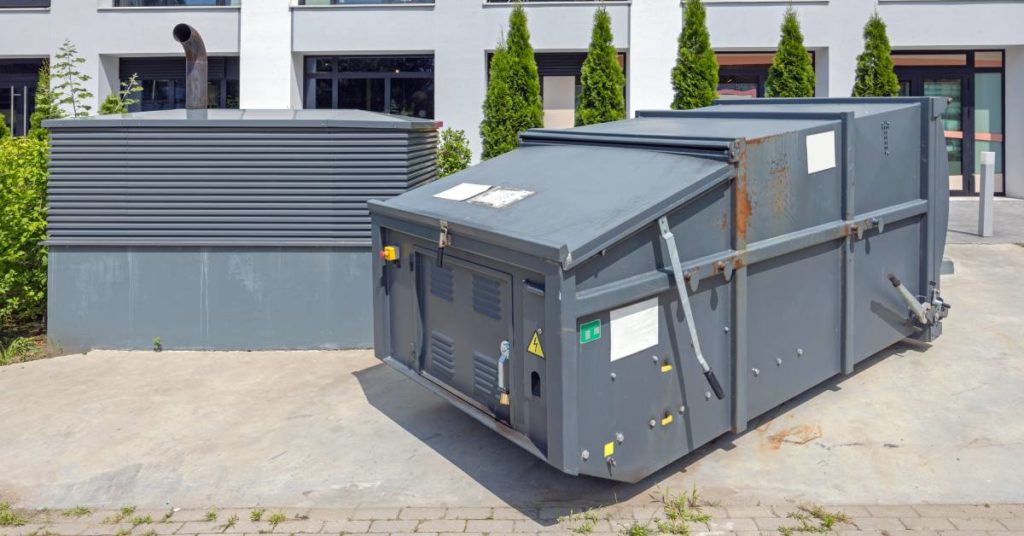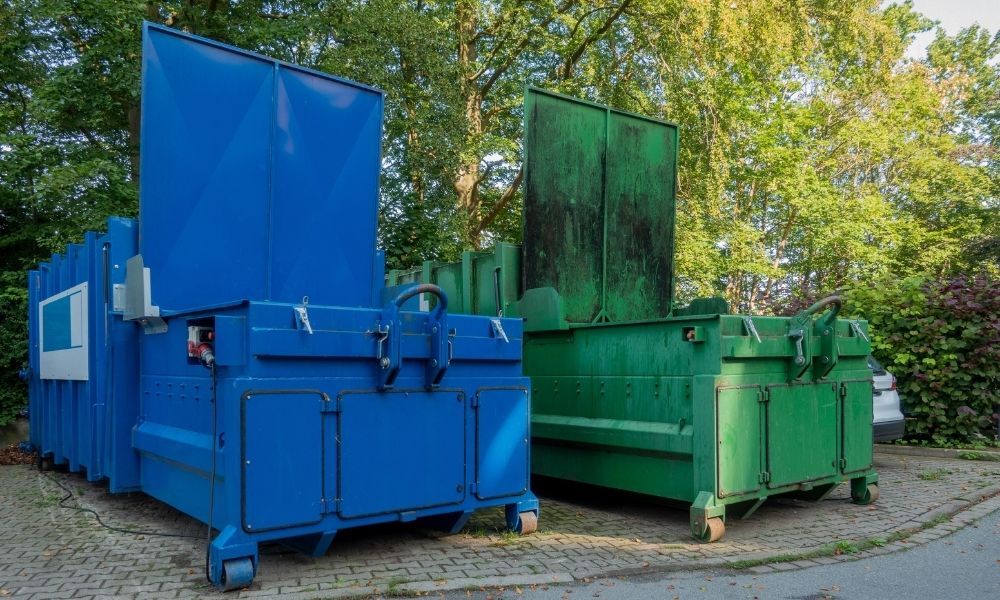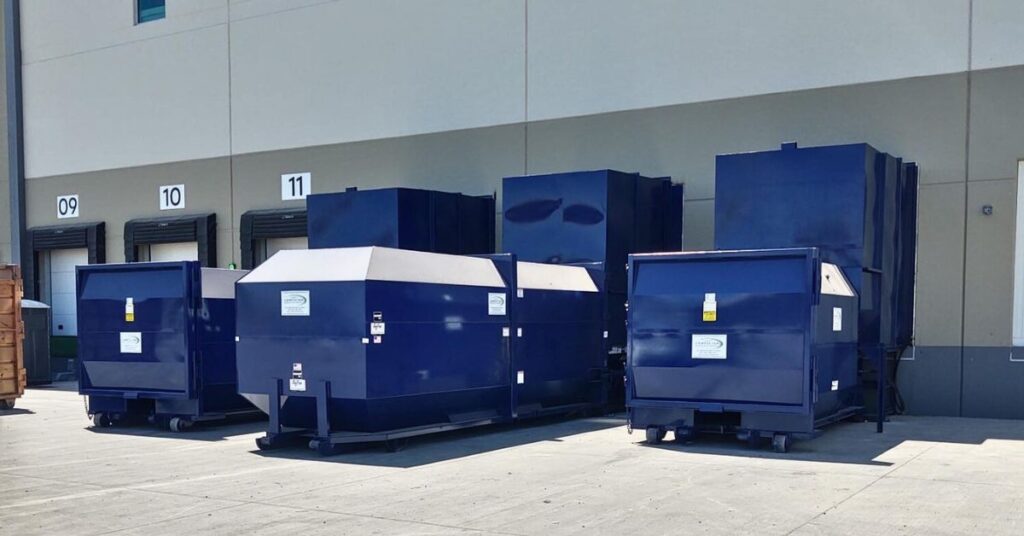
Waste segregation shapes how efficiently a business operates, how much it spends on disposal, and how responsibly it treats the environment. Companies that separate waste at the source gain control over material streams instead of reacting to overflowing dumpsters or rising hauling costs. At Compactor Rentals of America, we see firsthand how proper segregation supports smarter waste management decisions across industries, from property management to large-scale commercial operations.
Businesses that treat waste segregation as a core operational practice reduce contamination, improve recycling outcomes, and unlock long-term cost savings. This approach supports informational goals, such as compliance and sustainability, and transactional goals, such as choosing the right equipment and service partners. We’re exploring in greater detail the importance of waste segregation for every business regardless of size.
What Waste Segregation Really Means for Businesses
Waste segregation means separating materials by type at the point of disposal. Employees place cardboard, plastics, food waste, and general trash into designated streams instead of mixing everything together. This practice sounds simple, but it requires planning, training, and the right infrastructure.
When businesses segregate waste correctly, they protect recyclable materials from contamination. Clean streams hold value, while mixed waste loses it. Property managers and facility teams that implement clear segregation systems gain predictable waste outputs and fewer service disruptions.
Segregation also allows businesses to right-size their waste equipment. Accurate material separation helps teams select compactors, balers, or containers that match real usage patterns rather than rough estimates.
How Waste Segregation Reduces Operating Costs
Waste disposal costs rise quickly when businesses rely on a single mixed-waste stream. Landfill hauling fees, overweight charges, and frequent pickups all add pressure to operating budgets. Segregation flips that equation by reducing landfill volume and increasing recycling efficiency.
Recyclable materials often require fewer pickups when businesses compact or bale them separately. Cardboard alone can account for a significant portion of commercial waste. When teams isolate it, they reduce dumpster pulls and avoid unnecessary landfill fees.
Segregation also minimizes contamination penalties from haulers and recycling facilities. Clean loads move through the system faster and cost less to process, which directly benefits the generator.
Environmental Responsibility Starts at the Source
Businesses play a major role in shaping waste outcomes because they generate large, consistent volumes of material. Waste segregation at the source creates measurable environmental benefits without complex technology or major capital investment.
Separated recyclables conserve natural resources and reduce greenhouse gas emissions tied to raw material extraction. Organic waste segregation supports composting and diversion programs instead of sending food waste to landfills, where it produces methane.
Companies that take ownership of segregation demonstrate environmental leadership to tenants, customers, and partners. Leadership strengthens brand reputation and supports broader sustainability goals without sacrificing operational efficiency.
Waste Segregation and Regulatory Compliance
Local and state regulations increasingly require businesses to divert recyclable and organic materials. Jurisdictions across the country enforce recycling mandates, organics separation laws, and reporting requirements. Businesses that ignore segregation risk fines, failed inspections, and reputational damage.
Proper segregation simplifies compliance because it creates clear documentation and predictable waste streams. Facility managers can track volumes by material type and respond quickly to regulatory changes. This proactive approach reduces last-minute scrambling when inspectors arrive
Segregation also prepares businesses for future regulations. Waste laws continue to expand, and companies with established systems adapt faster than those starting from scratch.
Improving Safety and Cleanliness Through Segregation
Mixed waste creates unnecessary hazards. Broken glass, food waste, and recyclables combined in one container increase odor, pests, and injury risk. Segregation improves workplace safety by organizing materials into appropriate containers and reducing handling issues.
Clear signage and standardized bins guide employees toward correct disposal habits. Cleaner waste areas improve overall facility appearance and reduce maintenance demands. Property managers benefit from fewer tenant complaints and more consistent service schedules.
When businesses pair segregation with the right equipment, such as compactors or balers designed for specific materials, they further reduce manual handling and improve site safety.
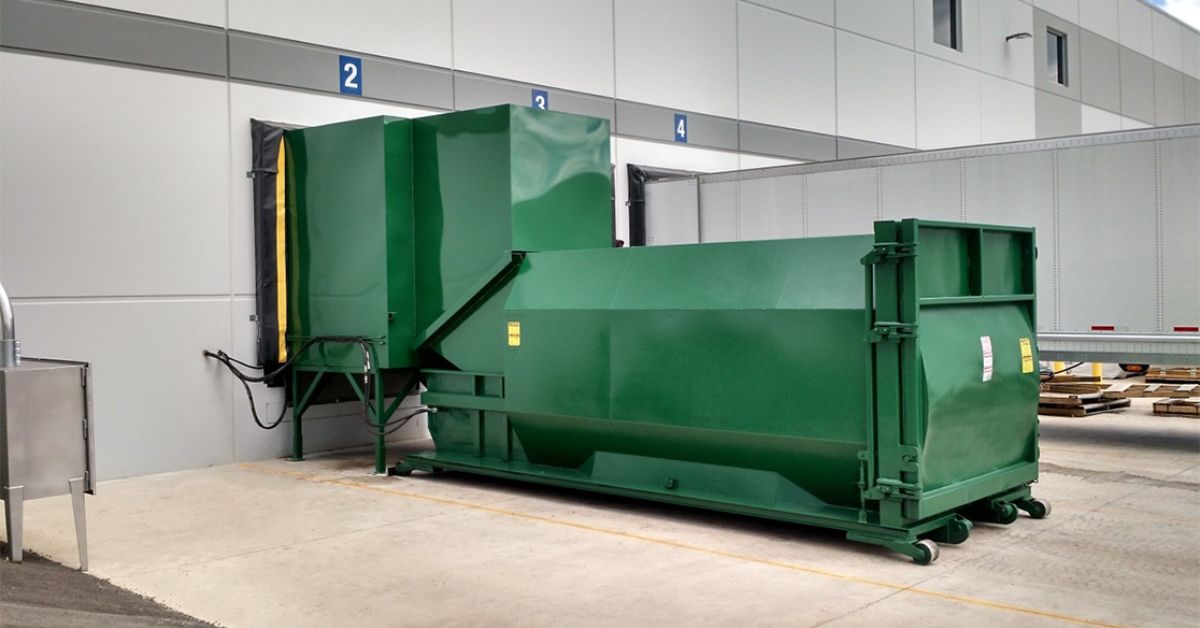
Equipment Choices That Support Effective Segregation
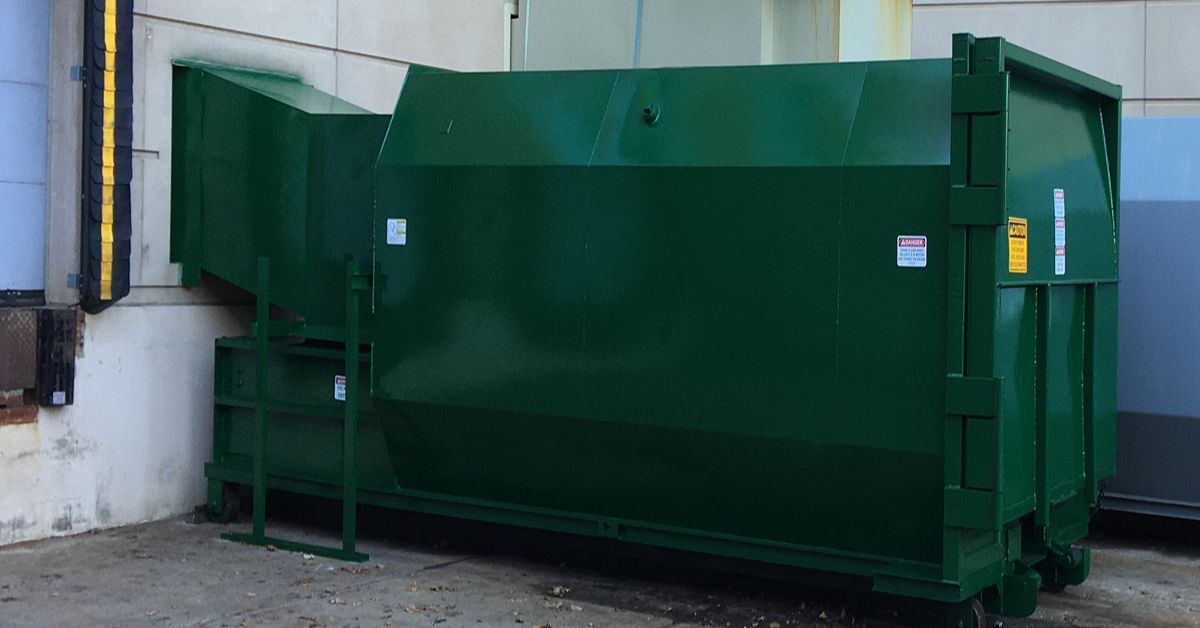
Waste segregation only works when equipment aligns with material streams. Businesses need solutions that handle volume, density, and frequency without disrupting daily operations. Compactors, balers, and containers each play a role depending on waste type.
For example, cardboard-heavy operations often benefit from baling systems that keep recyclables contained and manageable. In some cases, a horizontal baler machine supports high-volume recycling needs while maintaining clean separation from general waste.
At Compactor Rentals of America, we help businesses just like yours match segregation goals with practical equipment configurations. This approach ensures that segregation remains sustainable over time rather than becoming an abandoned initiative.
Best Practices for Implementing Waste Segregation
Successful waste segregation depends on consistency and clarity. Businesses that treat segregation as an operational priority see better results than those that rely on informal habits. A few core practices make a measurable difference:
- Use clearly labeled bins with consistent color coding.
- Place containers at points where you generate the most waste.
- Train employees and tenants on proper separation tactics.
- Monitor contamination and adjust signage as needed.
- Review waste data regularly to refine equipment and service levels.
These steps keep segregation simple and repeatable. Over time, teams develop habits that reduce errors and improve overall waste performance.
Why Waste Segregation Drives Smarter Business Decisions
Waste segregation delivers more than environmental benefits. It provides data that informs smarter decisions about hauling frequency, equipment rentals, and service partnerships. Businesses that understand their waste composition avoid overspending on unnecessary pickups or oversized containers.
Segregation also strengthens relationships with waste service providers. Clear material streams allow haulers to deliver predictable service and recommend solutions that match real-world conditions. This collaboration leads to fewer service interruptions and better long-term outcomes.
For businesses evaluating waste solutions, segregation is a strong foundation for improvement. Without it, even the best equipment or service plan struggles to perform.
Partner With Compactor Rentals of America for Better Segregation
Compactor Rentals of America supports businesses across the lower 48 states with practical waste management solutions built around real operational needs. With decades of combined experience, our team helps clients turn waste segregation into a measurable advantage rather than an ongoing challenge.
We work with property managers, maintenance teams, and coordinators to design systems that fit their sites, waste streams, and budgets. From equipment selection to ongoing support, we focus on solutions that add value at every stage.
When businesses commit to waste segregation, they unlock efficiency, compliance, and sustainability. With a partner like us, that commitment delivers long-term results instead of short-term fixes.