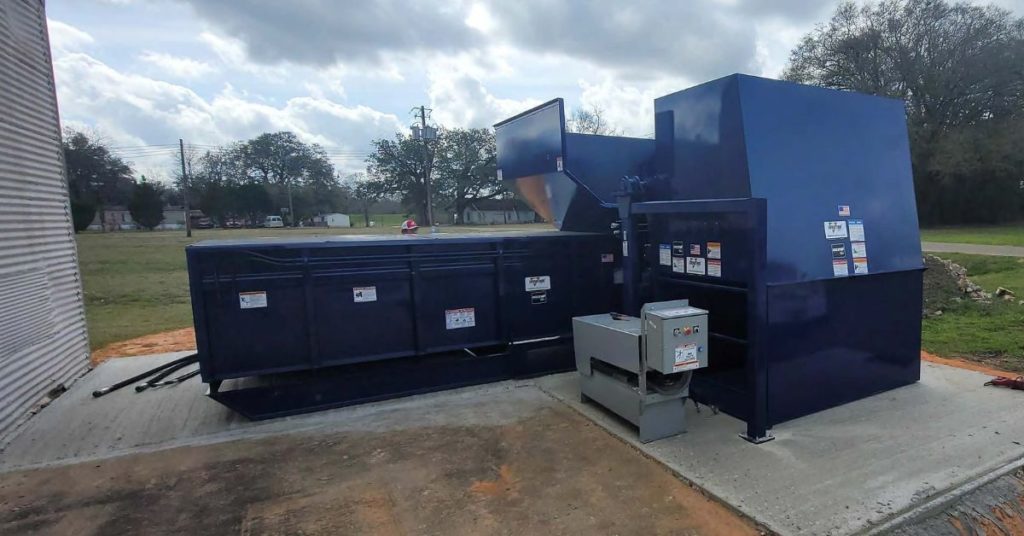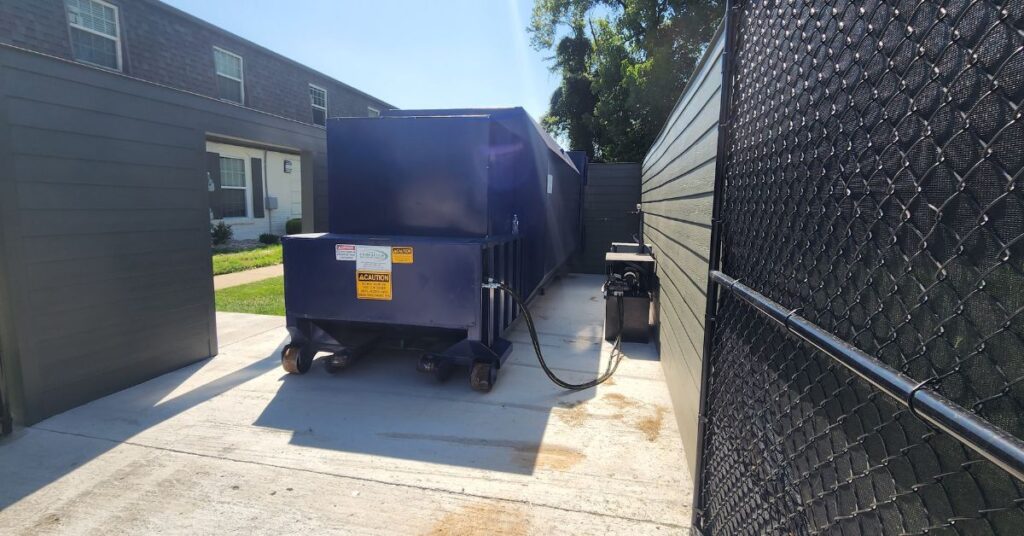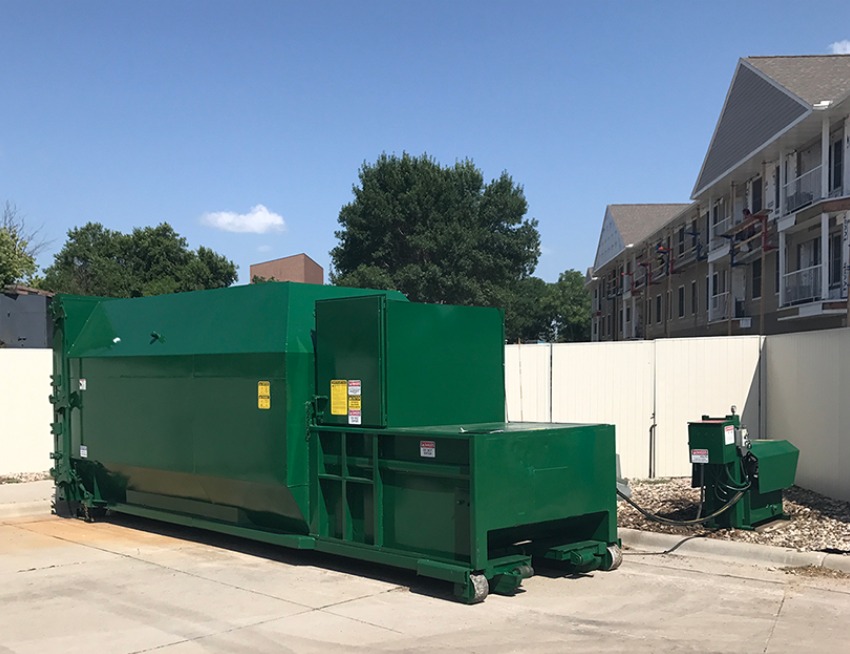
Commercial trash compactors help businesses control high volumes of waste while reducing the space that discarded materials occupy. Warehouses, retailers, distribution centers, manufacturers, and other facilities can use this equipment to make waste handling more manageable. However, the powerful mechanical forces that make compactors effective also demand careful operating practices. A strong safety program combines proper equipment selection, employee training, routine inspections, and clear procedures around every machine. Compactor Rentals of America explores our of best safety tips for operating a trash compactor so that no one on-site gets injured.
Train Employees Before They Use the Equipment
Employees should understand how a compactor works before they operate it independently. Training should cover normal controls, loading procedures, warning labels, emergency stops, and the specific rules associated with the equipment at that facility. Operators also need to know which materials can enter the machine, and which items require another disposal method. Clear instruction reduces the temptation to improvise when an unusual situation occurs.
Businesses should restrict operation to employees who have received appropriate training and authorization. Managers can reinforce safe habits by periodically reviewing procedures instead of treating training as a one-time event. New equipment or changes to a facility’s waste stream may also require updated instruction. Consistent expectations help everyone approach the machine with the same safety priorities.
Inspect the Compactor Before Operation
A brief visual inspection can identify problems before an employee begins loading waste. Operators should look for obvious damage, loose components, unusual leaks, obstructed areas, or controls that appear compromised. Doors, gates, guards, and other safety features should remain in their proper positions. Employees should report questionable conditions rather than attempting to work around them.
The surrounding area deserves attention as well. Loose debris can create tripping hazards near a machine where operators need stable footing and clear movement. Poor lighting may make it harder to notice obstructions or unsafe conditions. Keeping the area orderly supports safer operation and simplifies everyday waste handling.
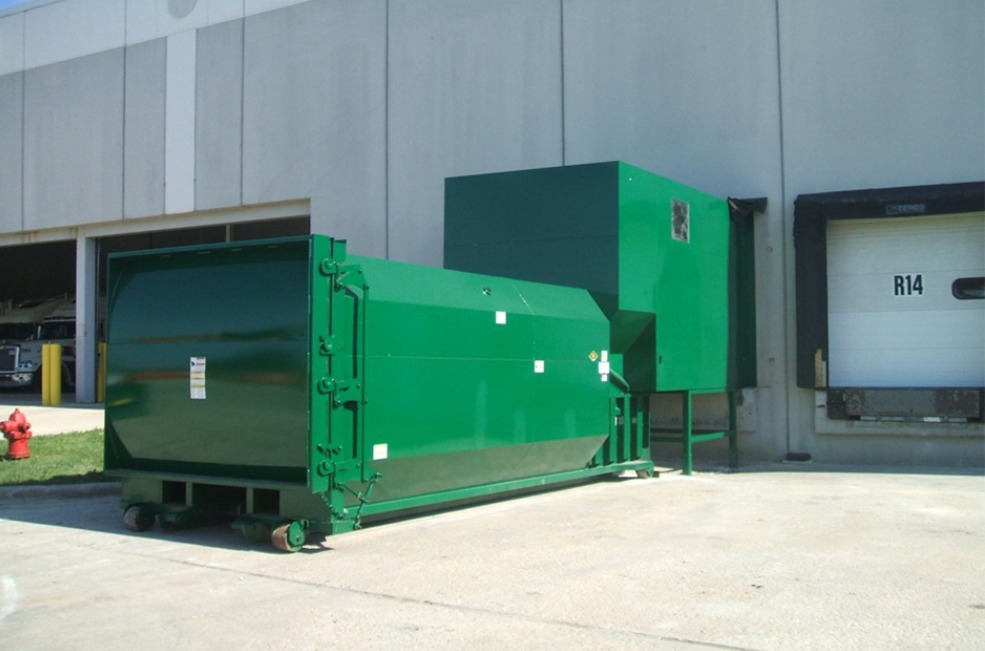
Keep Hands and Bodies Away From Moving Components
Employees should never reach into operating equipment or place any part of their body where moving components could create a crushing or pinching hazard. Even a routine task can become dangerous when someone bypasses normal loading procedures. Tools, guards, and controls exist to keep operators separated from hazardous movement. Employees should respect those boundaries every time they use the machine.
An item that becomes stuck requires a controlled response rather than a quick physical intervention. Operators should stop using the equipment and follow the manufacturer’s instructions and their employer’s established procedures for clearing problems. Maintenance involving hazardous energy may require formal lockout/tagout procedures and properly authorized personnel. Convenience should never take priority over safe equipment isolation.
Load Only Appropriate Materials
Not every item in a commercial waste stream belongs inside a compactor. Facilities should establish clear rules based on the equipment model, manufacturer guidance, waste characteristics, and applicable disposal requirements. Employees should know how to handle liquids, hazardous materials, pressurized containers, and other prohibited items they may encounter. Sorting questionable materials before loading can protect workers and equipment.
Businesses with large amounts of corrugated cardboard may also benefit from separating that material from general waste. A cardboard compactor rental can support a waste-management strategy designed around the volume and type of material a facility generates. Matching equipment to the waste stream can improve handling efficiency and prevent inappropriate materials from entering another machine. Compactor Rentals of America can help businesses evaluate equipment options based on their operational needs.
Never Defeat Guards or Safety Features
Machine safeguards serve a specific purpose, even when an experienced operator feels comfortable around the equipment. Employees should never bypass interlocks, remove guards, alter controls, or defeat a safety feature to speed up a task. A shortcut that saves a few seconds can expose workers to powerful mechanical hazards. Supervisors should address damaged or malfunctioning safeguards immediately.
Emergency controls also need to remain easy to identify and reach. Employees should know how to stop the machine when something goes wrong without having to search for the correct control. Labels and warnings should remain legible throughout the equipment’s service life. Replacing damaged safety information can maintain clear communication around the machine.
Respond Correctly to Jams and Malfunctions
A jammed compactor can encourage exactly the kind of shortcut employees should avoid. Workers may feel pressure to clear the problem quickly so that normal operations can continue. They should instead stop and follow established procedures for the specific equipment. Trying to pull material free while hazardous energy remains present can create serious risk.
Facilities should establish a simple response process before a malfunction occurs. This process can address several important questions:
- Who should employees contact when equipment stops working?
- Which workers have authorization to perform maintenance?
- When do lockout/tagout procedures apply?
- How should employees secure the area during a shutdown?
- Where can operators find equipment-specific instructions?
- How should workers report recurring problems?
Schedule Preventive Maintenance
Reliable equipment contributes to safer operations. Routine service can identify worn components and developing mechanical issues before they cause larger disruptions. Businesses should follow manufacturer recommendations and coordinate qualified service when the machine requires inspection or repair. Maintenance records can also help facility managers recognize recurring patterns.
Operators play a useful role between scheduled service visits because they interact with the machine regularly. Unusual noises, changes in performance, leaks, or inconsistent operation can provide early warning that something needs attention. Employees should have an easy way to report those observations. Prompt investigation can keep minor concerns from turning into prolonged downtime.
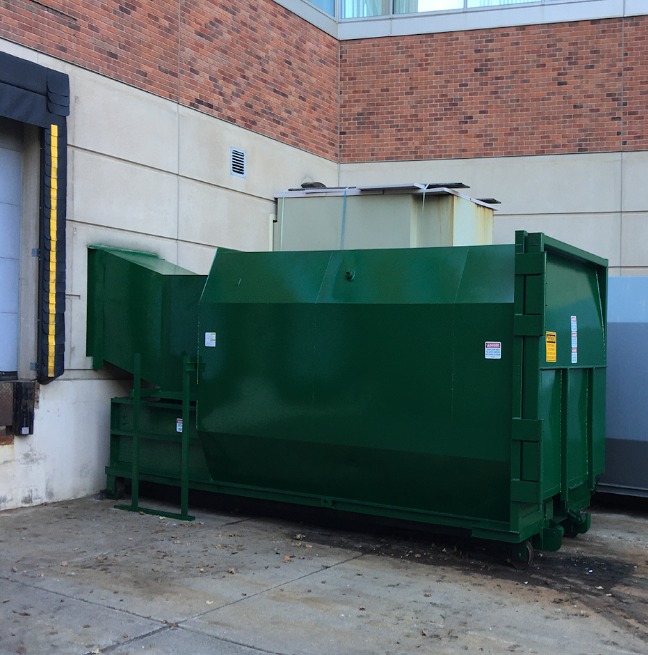
Build Safety Into Everyday Waste Management
Operating a trash compactor safely depends on more than a warning sign attached to a machine. Businesses need suitable equipment, trained operators, controlled access, dependable maintenance, and procedures employees can follow when normal operation changes. These habits create a safer and more predictable waste-handling process. They can also help facilities protect equipment and avoid disruptions caused by preventable misuse.
Compactor Rentals of America supplies commercial waste equipment rentals to businesses nationwide. The company offers compactors and balers along with service support for organizations that want a waste solution suited to their operational demands. Rental arrangements can give businesses access to commercial equipment without requiring the same approach as an outright purchase. Contact Compactor Rentals of America to discuss equipment and rental options for your facility.