Businesses that generate large amounts of waste need equipment that keeps materials organized, reduces unnecessary handling, and supports an efficient waste management program. Compactors and balers reduce the space that discarded materials occupy, but they serve different purposes and produce very different results. Understanding the compactor vs. baler distinction helps facility managers choose equipment that matches their waste stream, available space, labor needs, and operational goals. The right solution can simplify waste handling while creating a cleaner and more manageable process throughout a facility.
A compactor primarily reduces general waste volume so businesses can fit more material into a container before hauling, while a baler compresses recyclable materials into dense, manageable bales. This basic difference influences everything from the materials employees load into the equipment to what happens after processing. Below, CRA outlines the difference between a compactor vs. a baler and when to use each.
What Is a Commercial Waste Compactor?
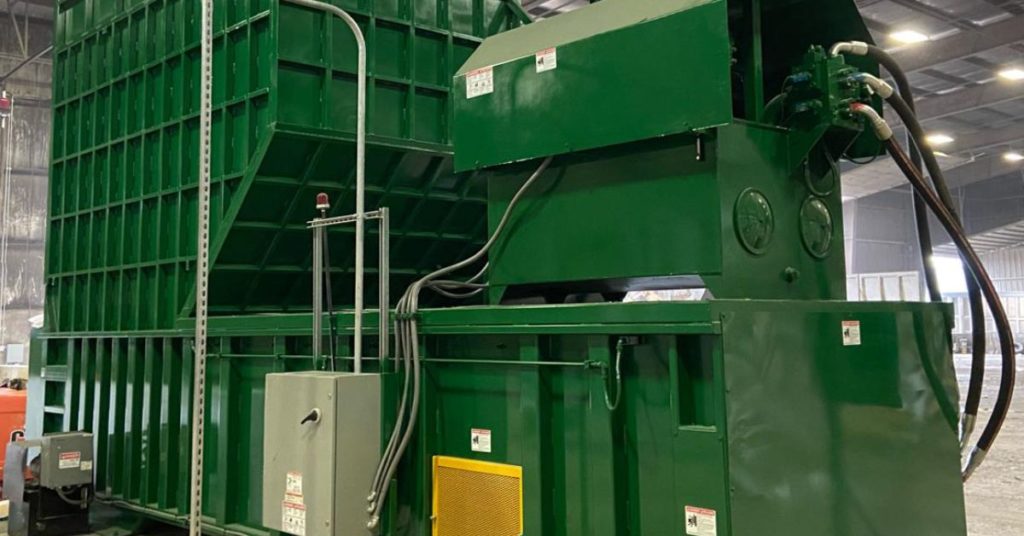
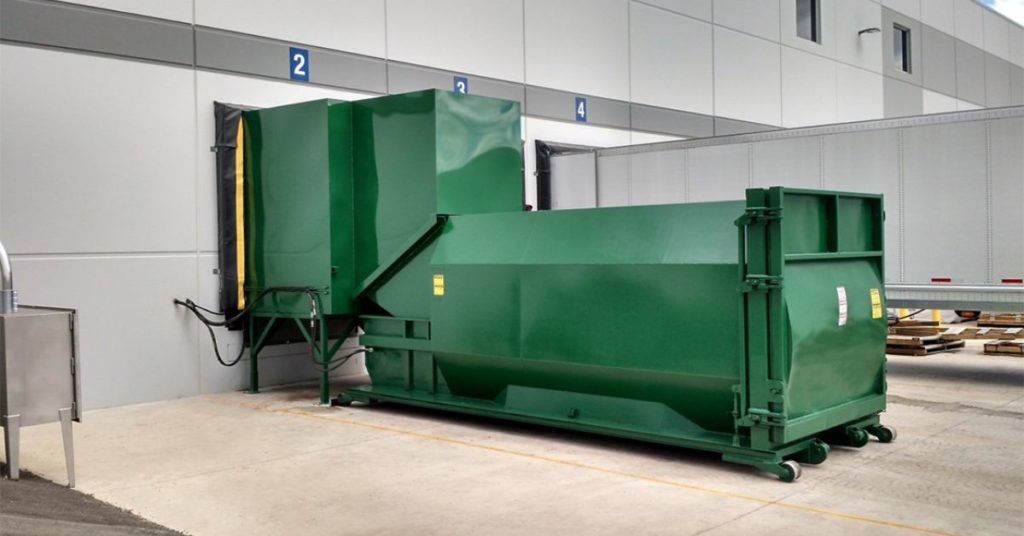
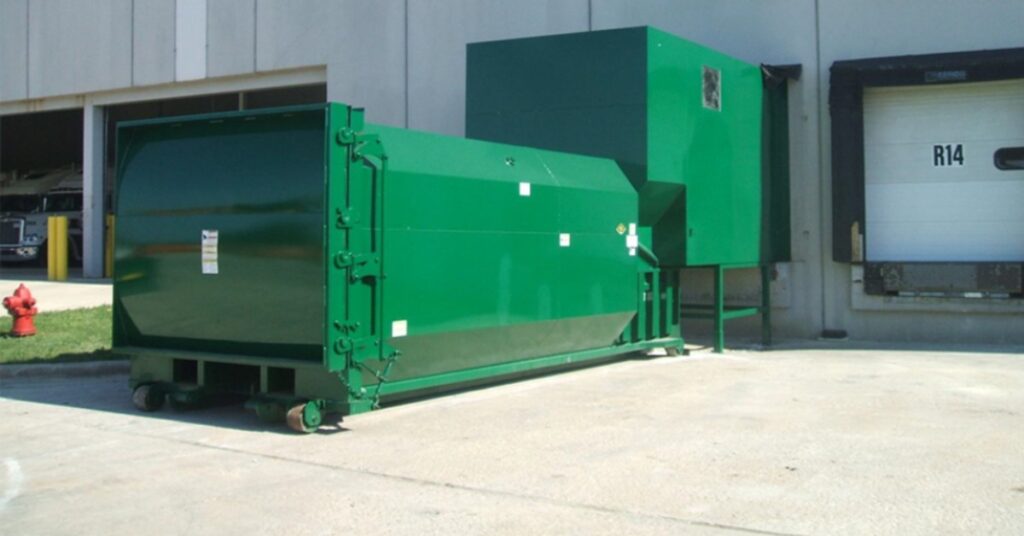
A commercial waste compactor compresses bulky waste so the material occupies less space inside a receiving container. Businesses can use compactors to control waste volume, reduce overflowing containers, and create a more organized waste handling process. Facilities that generate steady amounts of general commercial waste often benefit from moving loose material into a centralized compaction system. The equipment gives teams a structured way to manage waste instead of relying on numerous loose containers or frequent manual handling.
Compactors can also help businesses make better use of limited waste collection areas because compressed material requires less container capacity than loose waste. Retail properties, distribution operations, commercial facilities, property management teams, and other high-volume waste generators may all benefit from compaction. The appropriate equipment depends on factors, such as waste type, daily volume, loading requirements, available space, and hauling arrangements. Evaluating those conditions before selecting equipment helps a business avoid choosing a system that doesn’t match its actual operating environment.
What Is a Commercial Baler?
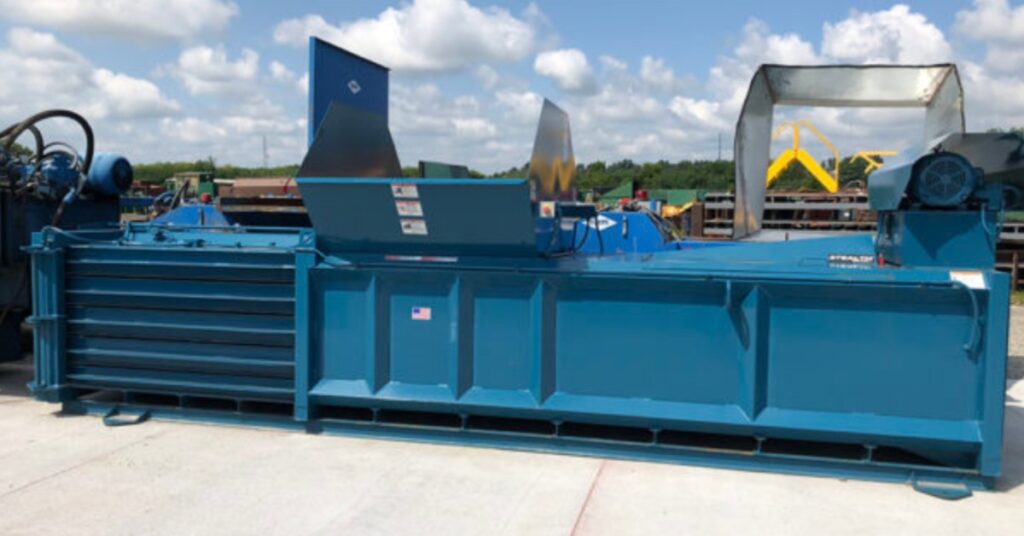
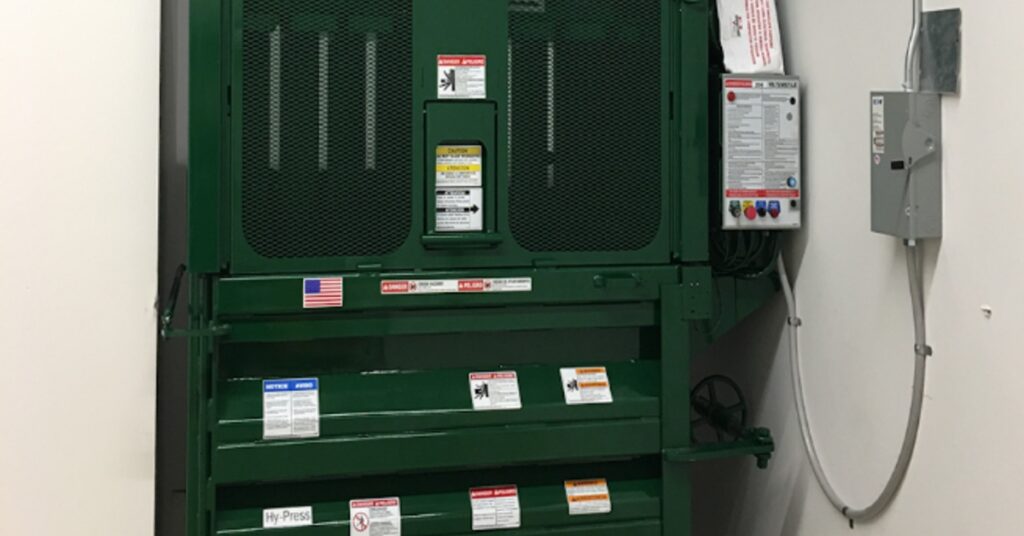
A commercial baler compresses recyclable materials into compact bales that businesses can stack, store, transport, and potentially sell to recycling buyers. Facilities commonly use balers for materials, such as corrugated cardboard and other suitable recyclables, that accumulate during everyday operations. Instead of filling dumpsters or storage areas with loose recyclable material, employees can consolidate that material into dense and manageable packages. This approach can help businesses organize recycling programs while reducing the amount of valuable floor or storage space that loose materials consume.
Baler configurations vary because businesses generate recyclable material at very different rates and operate within different physical spaces. A lower-volume operation may need equipment that fits a relatively small recycling area, while a major distribution or manufacturing facility may require equipment that processes substantially more material. A horizontal baler can support high-volume recycling operations by turning large quantities of cardboard and other recyclables into consistent, dense bales that businesses can store, ship, and sell. Matching baler capacity to the actual recycling stream helps businesses gain the operational advantages of baling without installing equipment that exceeds or falls short of their needs.
Compactor vs. Baler: Understanding the Main Differences
The most important difference between a compactor and a baler involves what each machine does with material after employees load it. A compactor reduces the volume of general waste and keeps that material contained for eventual removal, while a baler prepares recyclable commodities for storage and recycling. Compactors focus primarily on controlling waste volume, while balers focus on consolidating recoverable materials into uniform packages. This distinction makes material type one of the first factors a business should consider when comparing the two equipment categories.
When comparing the two options, facility teams should consider the following differences:
- Primary purpose: Compactors reduce general waste volume, while balers consolidate recyclable materials.
- Typical materials: Compactors handle suitable commercial waste, while balers focus on recyclable commodities, such as cardboard.
- Operational goal: Compactors improve waste containment, while balers strengthen recycling and material recovery efforts.
- Storage needs: Compacted waste remains contained, while finished bales require an appropriate staging or storage area.
When Should Your Business Use a Compactor?
A compactor makes sense when a facility generates enough general waste that loose disposal creates recurring operational challenges. Bulky waste can fill conventional containers quickly, create clutter around collection areas, and increase the amount of attention employees give to routine disposal. Compaction allows a business to place more waste into a controlled container footprint and maintain a more orderly waste area. Facilities with predictable, high-volume waste streams can often gain the greatest operational benefit from this approach.
Businesses should also consider a compactor when waste handling competes with valuable employee time or available facility space. Employees who repeatedly move bags, break down bulky waste, or manage overflowing collection points spend time on activities that don’t support core business operations. A properly selected compactor can centralize much of that activity and create a clearer waste-handling routine. Property managers and facility teams can then focus on keeping the overall operation running instead of constantly reacting to waste accumulation.
When Should Your Business Use a Baler?
A baler makes sense when a business generates a steady volume of recyclable material that occupies significant space before removal. Cardboard provides a common example because empty boxes can quickly consume storage rooms, loading areas, back-of-house spaces, and recycling containers. Baling reduces that bulk and turns loose recyclable material into dense units that teams can organize more effectively. Businesses with substantial recyclable volumes can use this process to create a more structured recycling workflow.
Baling can also support businesses that want to treat recyclable material as a recoverable commodity instead of ordinary waste. Dense, consistent bales simplify storage and transportation while potentially creating opportunities to sell suitable recyclable materials to buyers. Actual recycling opportunities depend on material quality, volume, local markets, and relationships with recycling outlets, so businesses should evaluate those factors before setting expectations. Even when material revenue doesn’t drive the decision, baling can still improve space utilization and help employees keep recycling areas organized.
Compactor Rentals of America brings industry experience to businesses that need practical commercial waste equipment solutions across the country. Our team can evaluate your facility’s waste streams and identify compactor or baler options that align with your operational requirements. Whether your priority involves controlling bulky waste, improving recycling efficiency, making better use of available space, or supporting a growing facility, the right equipment will create a more manageable waste process. Contact Compactor Rentals of America to discuss the differences between compactors vs. balers and find a solution that fits the way your business operates.