Waste management rarely sits at the top of a company’s priority list, yet it plays a major role in operational efficiency. Businesses generate large volumes of waste through daily operations, production, and customer activity. When companies overlook a waste management strategy, they often create unnecessary costs, safety risks, and logistical challenges. Many organizations unknowingly repeat common mistakes that slow down operations and inflate disposal expenses.
Smart waste management solutions help companies streamline workflows while maintaining a clean and organized environment. Businesses that evaluate their waste practices often uncover opportunities for better equipment, improved servicing schedules, and more efficient processes. Small improvements can reduce hauling costs, minimize downtime, and support sustainability goals. We’re discussing the eight most common waste management mistakes your company might be making, including how to correct them.
Ignoring Waste Volume Growth
Many companies underestimate how quickly waste output grows as operations expand. A business that produces manageable waste volumes today may face significant increases as production, inventory, or customer traffic rises. When companies fail to anticipate growth, they often rely on equipment that no longer supports their operational needs.
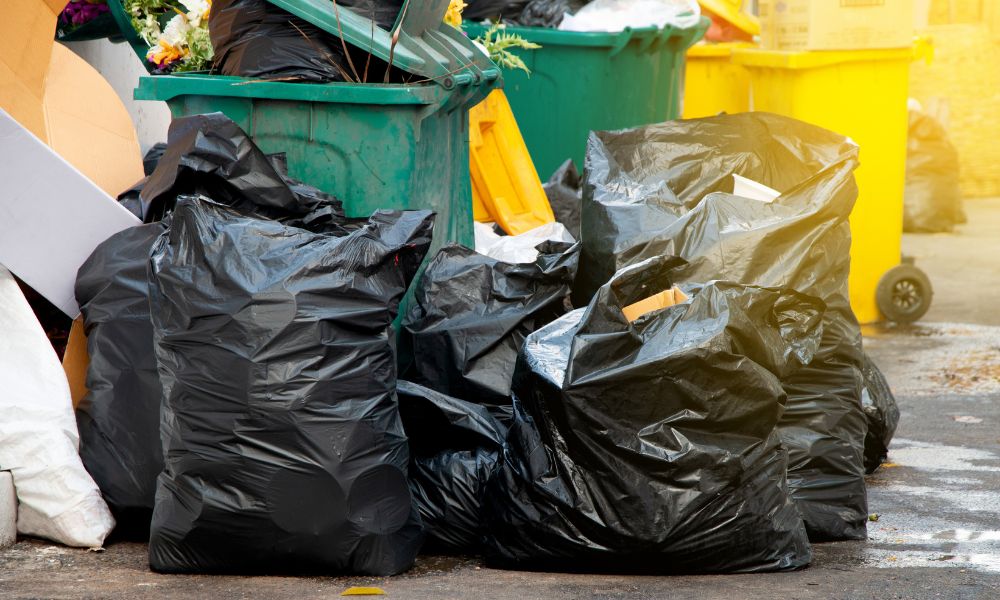
Overflowing dumpsters and constant pickups signal that waste management systems require an upgrade. These problems disrupt workflows and create clutter around loading areas or service entrances. Employees may also spend extra time dealing with waste that proper equipment could manage efficiently.
Businesses should regularly evaluate waste generation trends and equipment capacity. A proactive approach prevents operational disruptions and keeps waste handling aligned with business growth.
Choosing the Wrong Waste Equipment
Waste equipment must match the specific needs of each business. Some companies rely on outdated or undersized containers that cannot handle daily waste output. Others invest in oversized equipment that wastes valuable space and increases service costs.
Selecting the right waste equipment requires careful analysis of waste type, volume, and disposal frequency. Restaurants, manufacturing facilities, retail stores, and distribution centers all generate waste differently. Equipment that works well in one industry may not serve another environment effectively.
Compactor Rentals of America helps businesses evaluate these variables. Proper equipment selection supports smoother operations while reducing waste handling costs.
Overlooking Equipment Maintenance and Servicing
Waste equipment requires regular servicing to maintain performance and reliability. Businesses sometimes delay maintenance because waste equipment often operates behind the scenes. When companies ignore servicing schedules, equipment performance gradually declines and unexpected breakdowns occur.
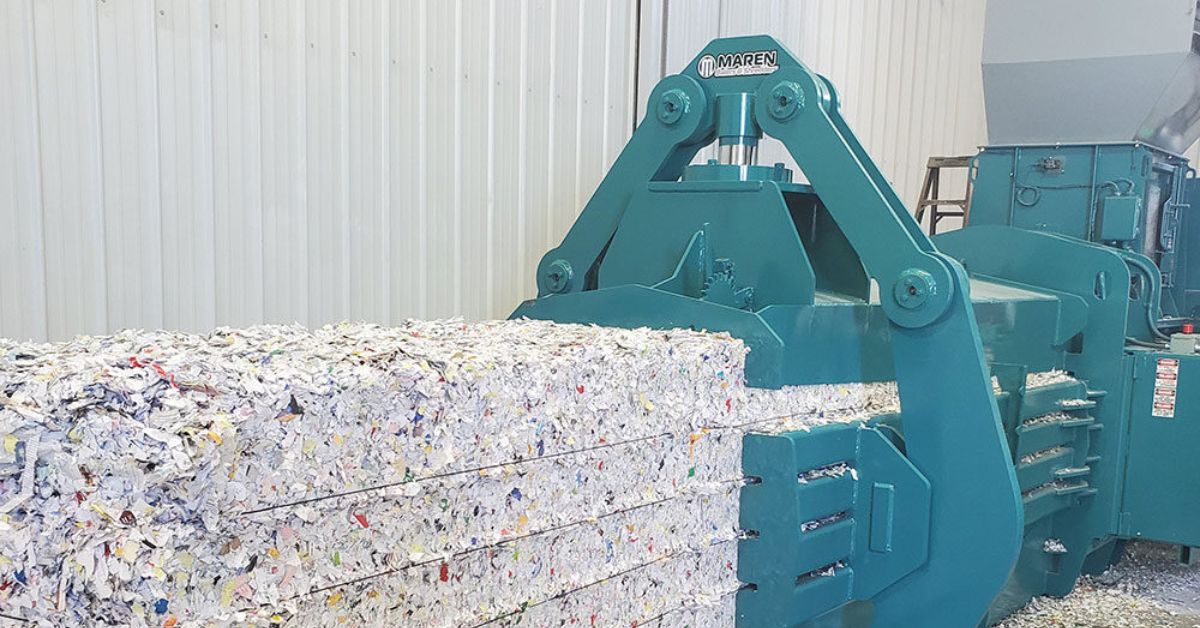
Compactors, containers, and waste handling systems rely on mechanical components that require routine inspection. Hydraulic systems, electrical components, and moving parts must remain in proper working condition. Neglecting these systems can lead to costly repairs or complete equipment failure.
Regular equipment servicing prevents downtime and protects long-term operational efficiency. Service visits also provide valuable opportunities for professionals to identify equipment upgrades or more efficient waste solutions.
Underestimating the Value of Waste Compaction
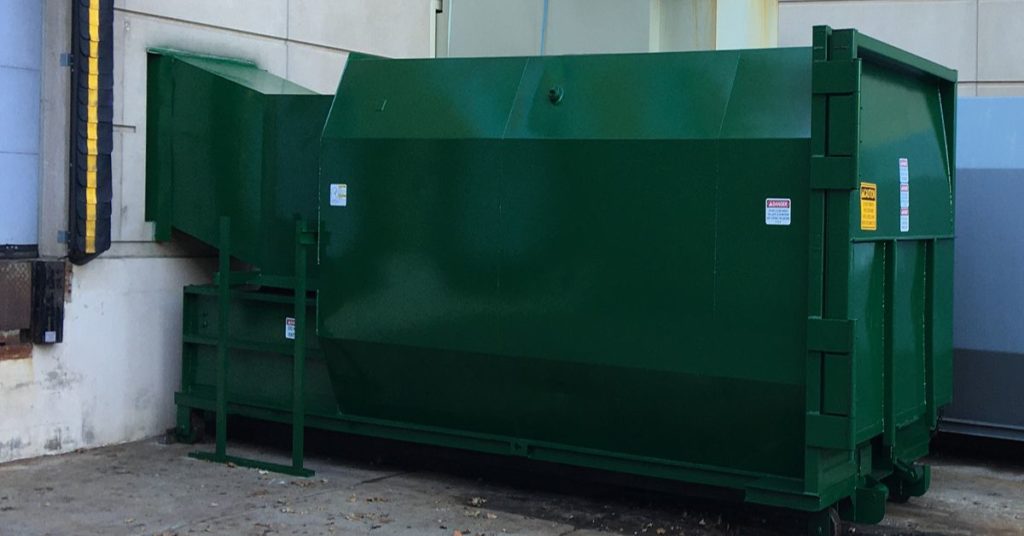
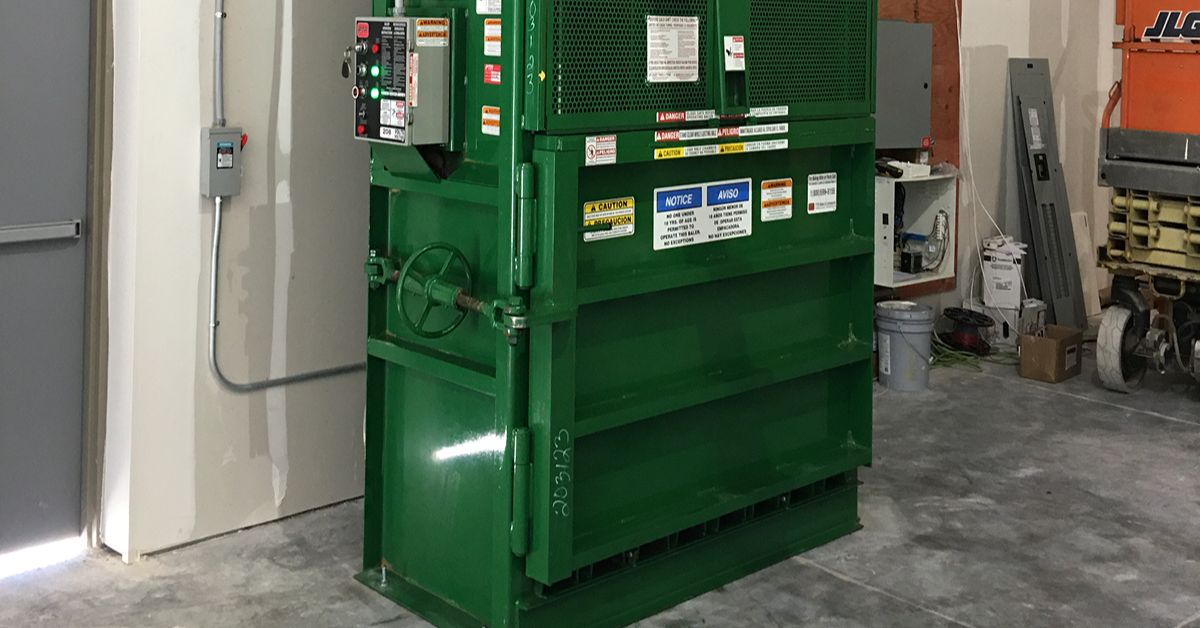
Some companies continue to rely on traditional dumpsters without evaluating compaction technology. Standard waste containers often fill quickly, which increases hauling frequency and transportation costs. Businesses that generate high waste volumes can benefit significantly from compaction equipment.
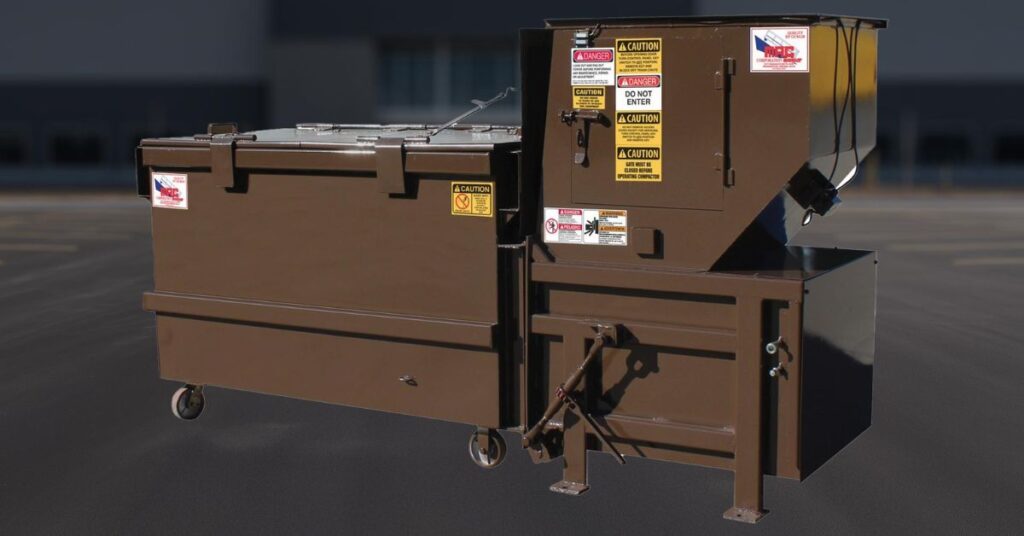
Compaction systems reduce waste volume by compressing materials into dense loads. This process allows businesses to store more waste within the same container footprint. Fewer pickups mean reduced hauling expenses and improved operational efficiency.
Many organizations improve their waste strategy by exploring a commercial trash compactor rental option. Rental solutions allow businesses to implement advanced equipment without large upfront capital investment.
Poor Waste Sorting and Recycling Practices
Waste sorting plays an important role in responsible waste management. Businesses that mix recyclable materials with general waste often miss opportunities to reduce disposal costs. Recycling programs can significantly lower landfill contributions while supporting environmental initiatives.
Companies sometimes overlook employee training for waste separation. Without clear processes, recyclable materials often end up in general waste containers. This oversight reduces recycling effectiveness and increases waste hauling expenses.
Signs Your Waste Management Strategy Needs Improvement
Businesses often overlook warning signs that indicate inefficient waste handling systems. Small issues gradually compound into larger operational challenges if companies fail to address them. Identifying these warning signals early allows businesses to implement improvements before problems escalate.
Common indicators include:
- Frequent overflow around dumpsters or waste containers.
- Increasing waste hauling costs month after month.
- Employees spending time managing waste instead of core duties.
- Equipment downtime or frequent mechanical issues.
- Inconsistent waste pickup schedules or service delays.
- Limited recycling participation within the facility.
Neglecting Waste Area Organization
The physical layout of waste areas significantly affects operational efficiency. Businesses sometimes treat waste zones as afterthoughts, placing containers in inconvenient or overcrowded locations. Poor placement slows down workflows and increases the time employees spend handling waste.
Well-organized waste areas improve safety and productivity. Employees can quickly dispose of materials without interrupting their primary tasks. Proper layout also supports safe access for waste service vehicles.
Failing To Evaluate Rental and Equipment Upgrade Options
Many companies operate with outdated waste equipment simply because they have used the same system for years. Business leaders often assume replacement costs outweigh the benefits of upgrading. In reality, modern equipment solutions can significantly reduce long-term waste expenses.
Our rental programs provide flexible options for businesses that need improved equipment without a large capital investment. Companies can test upgraded waste solutions while maintaining predictable monthly costs. This approach allows businesses to adapt their waste strategy as operations evolve.
Overlooking Safety Risks in Waste Handling
Waste handling areas create serious safety risks when businesses neglect proper procedures. Overflowing containers, broken equipment, and cluttered waste zones increase the likelihood of accidents. Employees working near these areas face potential hazards if companies fail to maintain proper safety standards.
Compaction equipment, waste containers, and hauling vehicles all require clear safety protocols. Businesses must train employees on safe waste disposal practices and equipment awareness. Proper signage and organized waste areas further reduce potential risks.
Building a Smarter Waste Management Strategy
Companies that address waste management mistakes often uncover valuable opportunities for operational improvement. Efficient waste systems reduce hauling expenses, improve workplace safety, and support sustainability initiatives. Businesses that evaluate their waste strategy regularly position themselves for long-term efficiency.
Compactor Rentals of American plays an important role in this process. Equipment servicing visits allow technicians to assess performance, identify inefficiencies, and recommend upgrades when necessary. These interactions often lead businesses toward more efficient equipment solutions or rental agreements that better support operational needs.