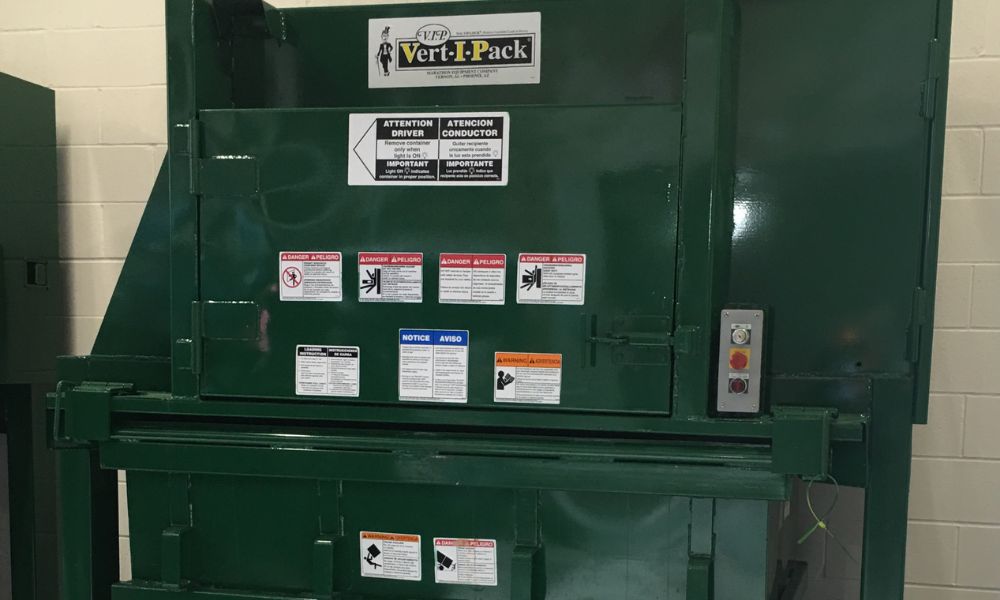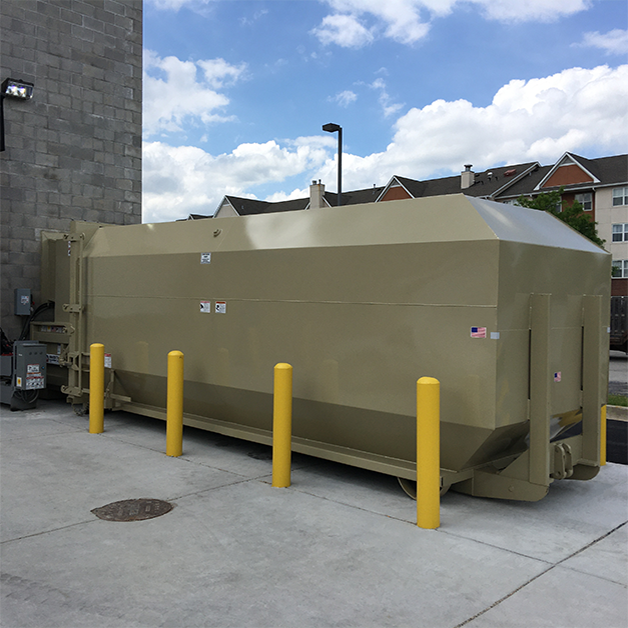
Your waste equipment may exhibit several warning signs when it’s ready for a repair or upgrade. From repair costs that exceed the machine’s value and hauling frequency to climbing overflow charges, each sign points to compliance risks and operational inefficiencies.
Maintenance coordinators are responsible for budget issues and addressing tenant complaints when a compactor or baler starts to fail. Compactor Rentals of America discusses nine signs it’s time to upgrade your waste-handling equipment and which of these signs could cost your bottom line.
How Long Does Commercial Waste Equipment Typically Last?
Commercial trash compactors last 10 to 20 years, while cardboard balers last 15 to 20 years when well maintained. Lifespan greatly depends on three important factors: waste volume, material type, and maintenance consistency. A compactor running high daily volume with skipped service intervals reaches the end of its life faster than a lightly used, well-serviced unit.
That said, age alone is not a sign. Pair the lifespan benchmark with repair frequency and parts availability to decide. Equipment past its expected lifespan often costs more to run than a newer unit.
It’s Cheaper To Upgrade Than To Keep Repairing
It’s generally cheaper to upgrade when repair costs exceed the productive value the machine can still deliver over its remaining life.
Apply that rule to every repair decision and build the true repair cost by including:
- Parts and labor on the invoice
- Downtime while the unit sits idle
- Overflow charges triggered when waste backs up
- Maintenance staff hours spent coordinating repeat service calls
Track repair invoices over 12 months. Escalating bills signal a declining return on every dollar spent. Renting removes the large capital outlay so that you can swap failing equipment without waiting on a purchase-approval cycle.
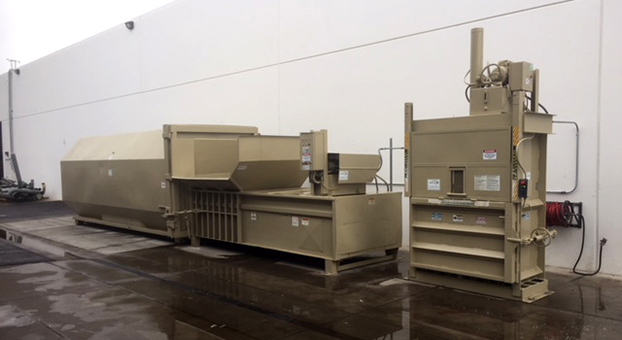
Overflow Charges Are on the Rise
Overflow charges are fees of $125 to $260 per occurrence, billed when waste exceeds your container capacity at pickup. They typically hit your monthly waste budget as unplanned line items with no operational benefit. Recurring overflow charges are a direct financial signal that your current container or compactor is undersized.
A compactor’s roughly 4:1 compaction ratio fits more waste in the same footprint, cutting pickup frequency and eliminating the overflow events that generate the fees.
The Facility Has Outgrown Its Compactor or Baler
Rising hauling frequency is the clearest sign, as more pickups for the same operation means the equipment can no longer keep pace.
Watch for the following capacity warnings:
- Overflowing containers and waste stacked beside the unit
- Full waste rooms before the next scheduled pickup
- Haul counts climbing without a matching change in operations
Tenant growth, added retail space, and seasonal volume spikes commonly push equipment past its designed capacity. Match your current waste volume against the machine’s rated capacity, as a persistent gap justifies a larger unit.
Commercial Waste Equipment Fails an OSHA or ANSI Inspection
A failed inspection can result in citations, fines, and liability exposure for the property, independent of whether the machine still runs.
Compactors and balers must meet OSHA and ANSI safety standards covering guarding, interlocks, and controls. Older equipment often lacks current safety features, which makes compliance failure a matter of time.
You must treat compliance as a nonnegotiable upgrade trigger. A unit can operate and still put the property at legal and financial risk.
Outdated Waste Equipment Affects Tenants and Property Conditions
Jams and breakdowns push waste into shared spaces and generate tenant complaints before your next scheduled service call.
Breakdowns result in the following hazards:
- Waste piling up in shared spaces and loading areas
- Odor and pests from overflowing containers
- Maintenance staff absorbed by manual workarounds and repeat service coordination
Appropriate, reliable equipment keeps waste areas clean, freeing your team for higher-value work.
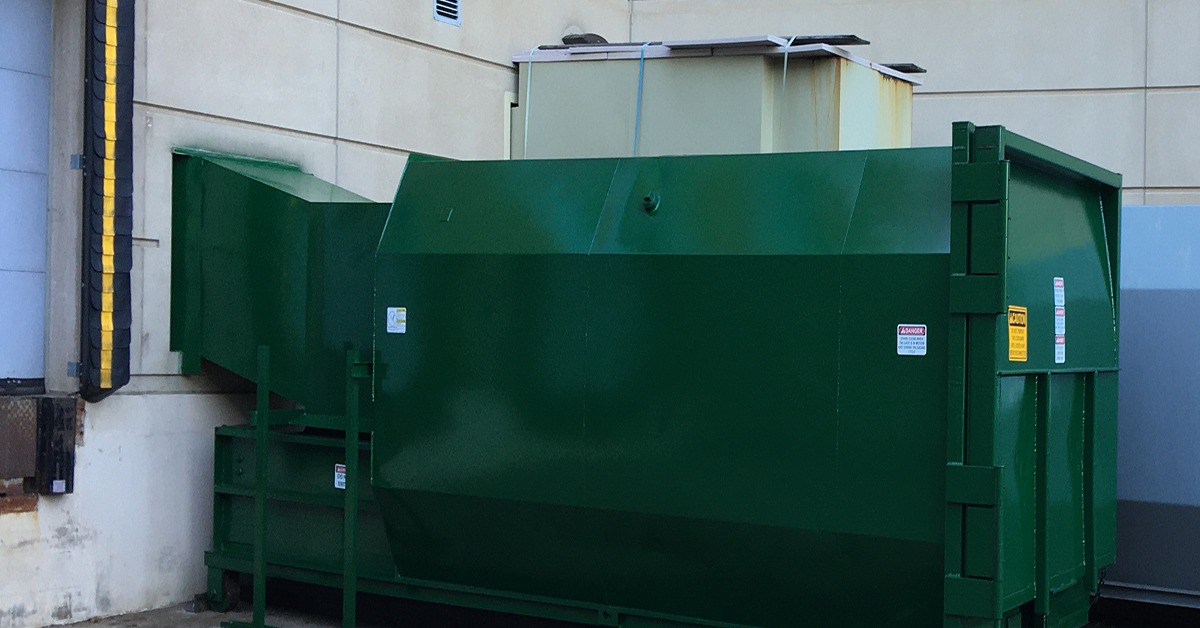
Renting Equipment Is Better Than Buying
Renting is often the better move for budget-constrained facilities. It removes the large purchase cost and typically bundles maintenance and service.
Rental shifts repair burden from your maintenance team and eliminates the need to replace failing equipment. You can match container size and unit type to current volume and swap as needs change. Compactor Rentals of America provides commercial waste equipment rentals so that you can reduce hauls and costs without the upfront costs of buying new.
Other Red Flags That a Baler or Compactor Is Near the End of Its Life
Recurring hydraulic leaks, weakened ram pressure, and incomplete cycles signal that a unit is nearing the end of its life.
Watch for any of these mechanical and sourcing signs:
- Hydraulic leaks and dropping ram pressure
- Incomplete or stalled compaction cycles
- Frequent jams that interrupt daily operations
- Replacement parts becoming hard to source
Rising service frequency combined with aging equipment confirms it’s time to upgrade your waste-handling equipment.
Frequently Asked Questions
How long does commercial waste-handling equipment typically last?
Commercial trash compactors last 10 to 20 years and cardboard balers last 15 to 20 years when well maintained. Actual lifespan depends on waste volume, material type, and maintenance consistency.
What signs indicate a compactor needs replacing rather than repairing?
Replace rather than repair when repair costs exceed the machine’s remaining productive value, when parts are hard to source, or when a machine older than 15 years suffers from escalating service bills and frequent jamming.
When is it cheaper to upgrade than to keep repairing?
It’s generally cheaper to upgrade when the cost of repairs exceeds the productivity the equipment can still deliver over its remaining life. Add downtime, overflow charges, and staff hours to get the true repair cost.
How does a compactor reduce hauling costs compared to a dumpster?
A compactor’s roughly 4:1 compaction ratio fits four times the waste in the same space, cutting the number of pickups. Fewer pickups mean lower collection fees and no overflow charges.
Is renting a compactor better than buying when upgrading?
Renting is often better for budget-constrained facilities because it removes the hefty purchase cost and typically includes maintenance and service. It also lets you swap unit size as your waste volume changes.
Can I change compactor container size without replacing the whole unit?
In many cases, you can resize the container independently of the compactor unit, especially with rental arrangements that let you match container capacity to current volume without a full equipment replacement.