Small businesses often manage waste with limited space, lean teams, and tight operating budgets. A few overflowing dumpsters, unnecessary pickups, or poorly organized recycling areas can quickly create avoidable costs and disrupt daily operations. A practical waste management strategy helps a business control these challenges while keeping work areas cleaner and easier to manage. The right approach starts with understanding what the business throws away, how much it generates, and where the current process creates unnecessary work.
Compactor Rentals of America (CRA) helps businesses build waste solutions around their actual operational needs instead of forcing every facility into the same system. The company serves B2B customers across the lower 48 states and focuses on waste solutions, compactor services, and baler rentals. Small businesses can use that expertise to evaluate equipment needs, improve collection processes, and plan for future growth. A stronger waste strategy can support day-to-day efficiency while giving owners and managers better control over recurring waste responsibilities. We’re discussing five waste management strategies for small businesses that we see have a substantial impact on operations.
Start With a Waste Stream Assessment
Before changing containers, pickup schedules, or equipment, small businesses should understand what enters their waste stream. Review the types of material your operation produces, where employees discard these materials, and how quickly collection areas fill. A restaurant, retailer, warehouse, office, and light manufacturing operation can produce very different waste volumes and material mixes. These differences should guide the strategy instead of a generic recommendation based only on business size.
Track waste patterns over several normal operating periods and note unusual spikes tied to deliveries, promotions, inventory changes, or seasonal demand. Look for bulky materials that consume container space quickly, such as cardboard, packaging, and other common commercial waste. Also identify locations where waste accumulates before employees move it to the main collection point. This review gives your business a clearer baseline for deciding what needs improvement and which changes could make the largest operational difference.
Reduce Waste Before It Reaches the Dumpster
Waste reduction can simplify management before a business changes its hauling schedule or adds equipment. Small companies can review purchasing practices, packaging, inventory controls, and internal processes to identify materials they can avoid or reduce. Ordering appropriate quantities can limit damaged, expired, or obsolete inventory that eventually becomes waste. Working with suppliers on packaging choices may also reduce the amount of material employees must handle after deliveries.
Managers should involve the employees who work closest to receiving, stocking, production, and disposal because they often see inefficiencies first. A team member may notice repeated packaging waste, unnecessary disposable materials, or a collection process that causes recyclable material to enter the trash. Small operational adjustments can add up when employees follow them consistently across every shift. Waste prevention also reduces the volume that the business must sort, store, move, and prepare for collection later.
Create a Simple Recycling System Employees Can Follow
A recycling program works best when employees can understand it quickly and use it without interrupting their normal responsibilities. Place clearly identified containers near the points where recyclable materials actually enter the waste stream rather than expecting employees to carry materials across the facility. Keep the instructions simple, and train employees on which materials belong in each container. Consistency can reduce confusion and makes the program easier to maintain as new employees join the team.
Small businesses can focus first on materials they generate regularly and can separate effectively within their available space. Cardboard often represents an important consideration for retailers, warehouses, distribution operations, and other businesses that receive frequent shipments. Businesses should confirm local recycling requirements and accepted materials with their applicable recycling or hauling providers because programs can differ by market. A straightforward system that employees use correctly usually provides more operational value than a complicated program that creates contamination and confusion.
Consider Equipment When Volume and Space Demand It
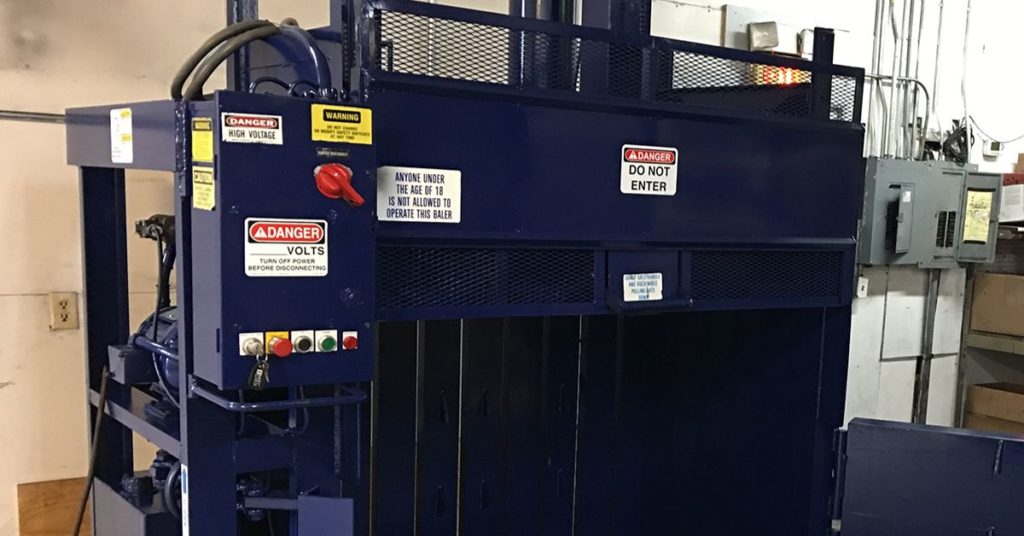
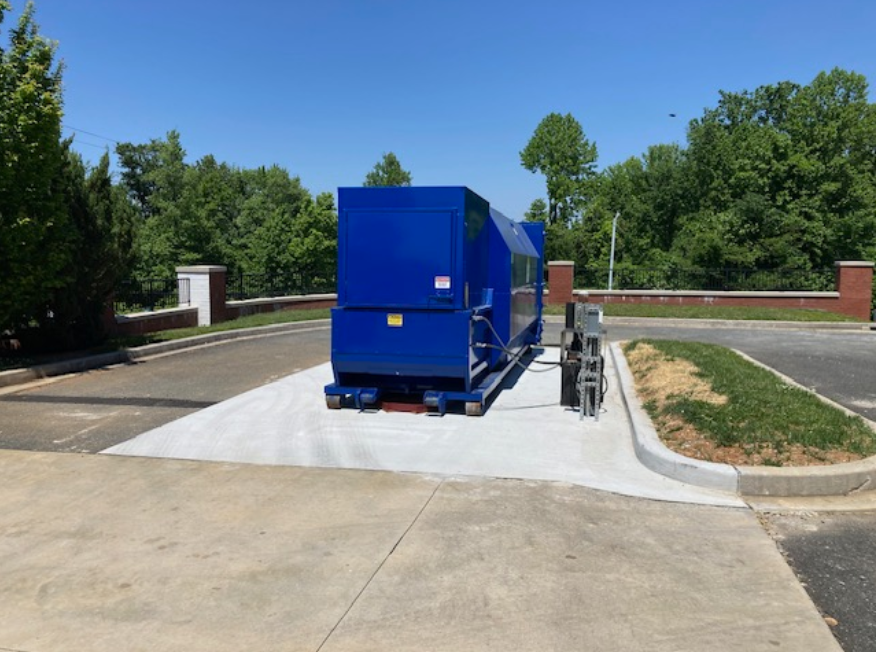
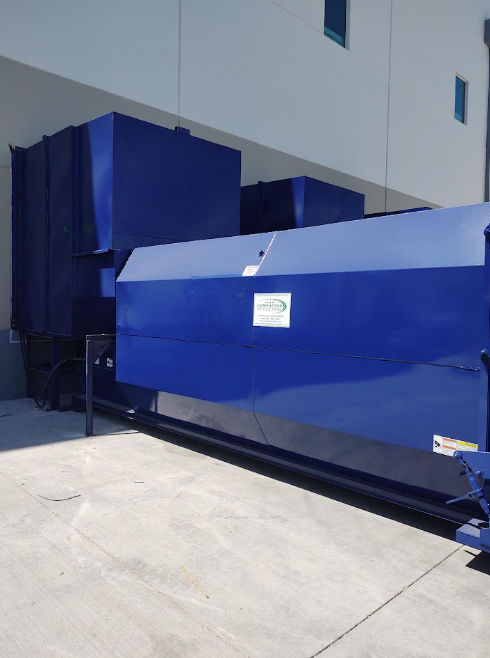
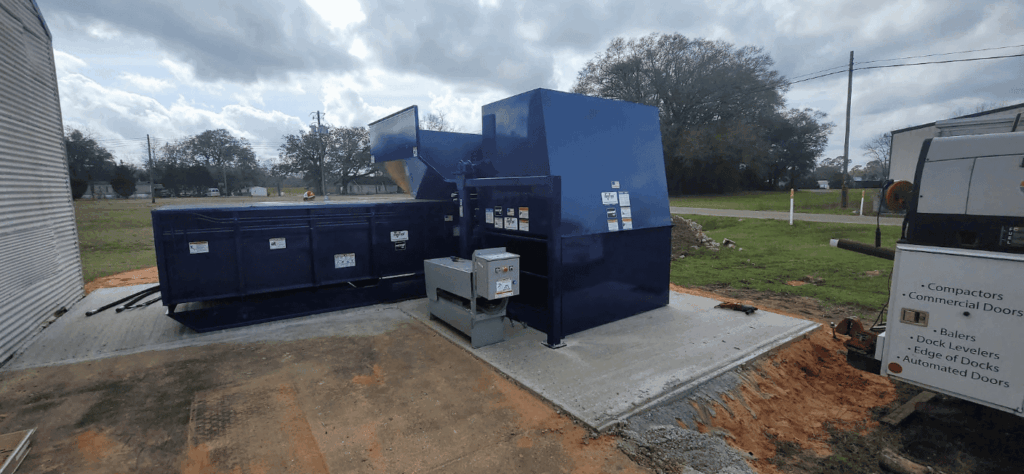
Manual waste handling and traditional dumpsters may work for some small businesses, but growing volume can make these methods increasingly inefficient. A compactor can reduce the physical volume of appropriate waste, which may help a business use collection space more effectively and reduce pressure on waste areas. A baler can help businesses manage suitable recyclable materials by creating dense, organized bales that take up less loose storage space. Equipment selection should reflect the facility, material type, waste volume, workflow, and collection process.
CRA begins its rental approach with consultation and evaluation so that businesses can identify equipment that aligns with their operating needs. For small businesses that want equipment access without taking on ownership responsibilities, compactor and baler rentals can provide a more flexible path. Rental solutions can also support businesses whose waste needs change as they grow or as seasonal demand shifts. The most useful equipment doesn’t simply add machinery to a facility; it should solve a specific waste-handling problem and fit the available space.
Keep Waste Areas Organized, Accessible, and Efficient
A well-organized waste area can reduce unnecessary movement and make daily disposal tasks easier for employees. Businesses should position collection points around normal workflows while keeping access routes practical for employees and service providers. Managers should also prevent loose materials from accumulating around dumpsters, compactors, balers, loading docks, or back-of-house areas. Clear procedures help employees know where materials go and who handles routine waste-area checks.
Small businesses can use a basic checklist to keep the process consistent without creating excessive administrative work. The checklist should focus on recurring tasks that protect organization, equipment access, and proper material separation. Managers can assign responsibility by role or shift so that employees know who should address issues before they grow.
A simple routine may include:
- Check waste and recycling container fill levels.
- Break down or prepare recyclable materials as required.
- Keep access areas clear for normal operations and service.
- Confirm employees place materials in the correct containers.
- Report equipment issues promptly instead of waiting for the next pickup.
- Review unusual increases in waste volume or recurring overflow.
Create a Smarter Waste Management Plan With CRA
Compactor Rentals of America provides customized waste equipment rental solutions backed by service across the lower 48 states. CRA evaluates the facility and waste stream, recommends right-sized solutions, coordinates installation and staff training, and supports rented equipment with ongoing maintenance. Flexible rental terms and equipment swap options can help small businesses respond to changing waste management needs without taking on the responsibilities that come with equipment ownership. Contact Compactor Rentals of America to discuss a waste management solution designed around your facility, waste stream, and operational goals.