Hydraulic balers have become an essential part of modern recycling and waste management programs. Businesses across many industries rely on these powerful machines to compress recyclable materials into dense, manageable bales that save space and reduce disposal costs. Instead of allowing cardboard, paper, plastics, and other recyclable materials to accumulate throughout a facility, hydraulic balers help businesses create organized, efficient recycling operations. Companies that improve their recycling process often lower operating expenses while supporting long-term sustainability goals.
Compactor Rentals of America provides reliable waste and recycling equipment that helps businesses maximize efficiency without making large capital investments. With decades of experience, the company delivers practical waste solutions for businesses throughout the lower 48 states while building lasting partnerships through expert service and support. Whether you operate a warehouse, retail store, manufacturing facility, distribution center, or hospitality venue, the right hydraulic baler can significantly improve daily operations. Here’s everything you need to know about hydraulic balers from CRA.
What Is a Hydraulic Baler?
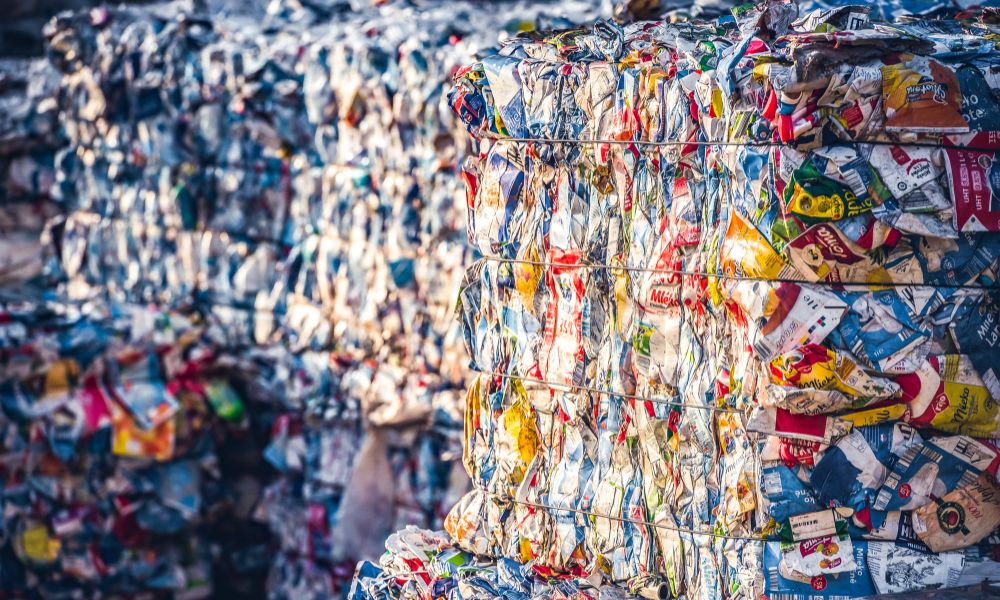
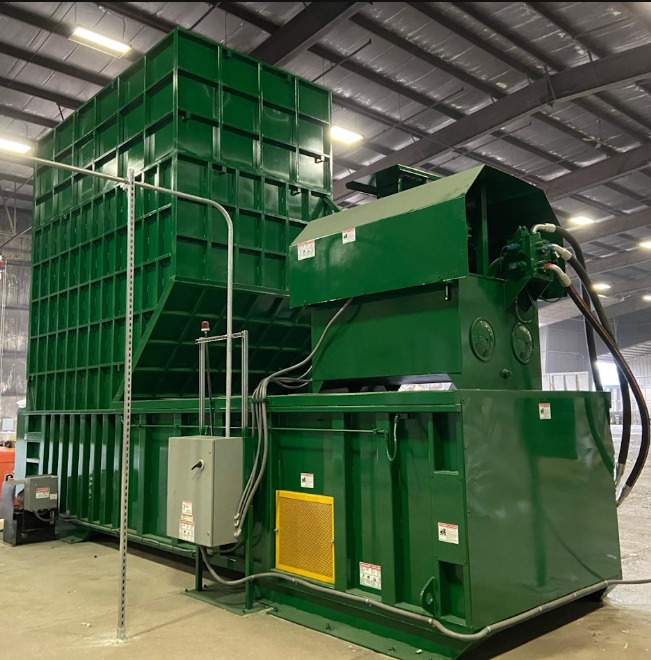
A hydraulic baler uses hydraulic pressure to compress recyclable materials into compact, uniform bales. Powerful hydraulic cylinders generate tremendous force that reduces the size of bulky materials like cardboard, paper, plastics, shrink wrap, and other recyclables. Once compression finishes, operators secure the bale with wire or strapping before removing it for storage or transport. The finished bales require far less storage space than loose materials.
Hydraulic systems deliver consistent compression while minimizing manual labor throughout the recycling process. Businesses can process large volumes of recyclable materials quickly without dedicating excessive floor space to overflowing bins. This organized approach improves workplace cleanliness while reducing clutter throughout production or storage areas. The result creates a safer and more efficient work environment.
How Hydraulic Balers Work
The operating process remains straightforward despite the impressive amount of force these machines generate. Employees place recyclable materials into the loading chamber before activating the compression cycle. Hydraulic cylinders then push a steel ram against the material until it reaches the desired density. After compression finishes, the operator secures the completed bale before removing it from the chamber.
This process repeats throughout the day as recyclable materials accumulate. Modern hydraulic balers feature intuitive controls that simplify operation for employees with minimal training. Many machines also include safety interlocks and automatic cycle controls that protect operators during use. These features improve productivity while maintaining safe operating conditions.
Types of Hydraulic Balers
Hydraulic balers come in several configurations to accommodate different industries and recycling volumes. Selecting the proper machine depends on available space, material type, daily waste generation, and operational goals. Businesses benefit from matching equipment capacity with actual recycling needs rather than purchasing oversized machinery.
Common hydraulic baler options include:
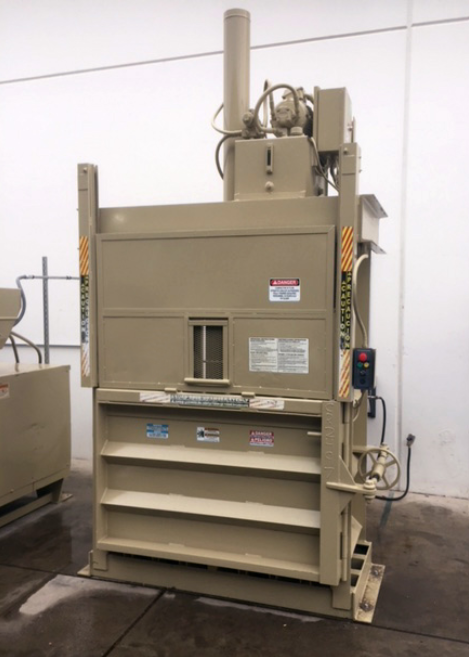
- Vertical balers for moderate recycling volumes
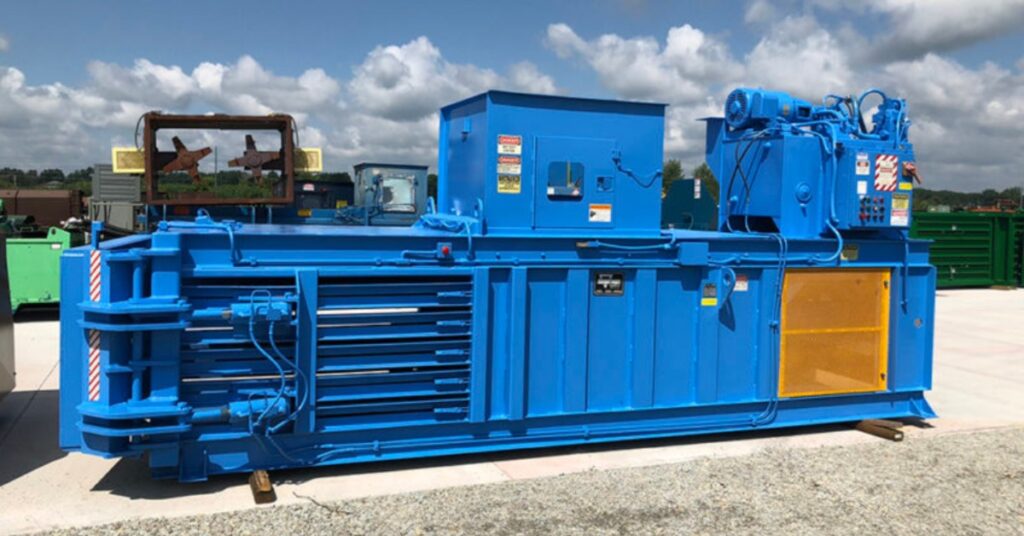
- Horizontal balers for high-volume facilities
- Closed-end balers for dense material compression
- Auto-tie balers for continuous production environments
- Specialty balers designed for unique recyclable materials
Industries That Benefit From Hydraulic Balers
Hydraulic balers serve businesses in nearly every commercial industry. Retail stores generate significant amounts of cardboard packaging every day. Warehouses receive large shipments that produce mountains of corrugated boxes and plastic wrap. Manufacturing facilities handle cardboard, plastics, paper products, and packaging materials throughout daily production.
Distribution centers also rely heavily on balers because incoming and outgoing shipments generate constant recyclable waste. Hotels, convention centers, supermarkets, schools, restaurants, and healthcare facilities all benefit from organized recycling systems that reduce clutter and lower disposal expenses. Businesses that recycle consistently often discover additional revenue opportunities by selling high-quality recyclable bales to recycling facilities.
The Benefits of Renting a Hydraulic Baler
Many businesses assume purchasing equipment represents the only long-term solution. Renting often provides greater flexibility while reducing financial risk. Instead of investing significant capital into equipment ownership, companies preserve cash flow for other operational priorities.
Rental agreements also eliminate many ownership concerns. Equipment maintenance, repairs, and service support often come included within comprehensive rental programs. Businesses avoid unexpected repair expenses while receiving dependable equipment that remains ready for daily operation. As recycling needs change over time, rental customers can also upgrade or replace equipment without navigating the challenges of selling outdated machinery.
Hydraulic Balers Improve Workplace Safety
Loose recyclable materials create unnecessary workplace hazards. Stacks of cardboard, overflowing recycling bins, and scattered packaging materials restrict walkways and reduce visibility throughout busy facilities. Employees lose valuable time moving piles of recyclables instead of completing productive work.
Hydraulic balers eliminate these problems by reducing material volume immediately. Compact bales remain organized in designated storage areas until scheduled pickup. Cleaner facilities improve employee morale while reducing slip, trip, and fire hazards associated with excessive recyclable waste accumulation. Better organization also allows forklifts and personnel to move safely throughout the workplace.
Hydraulic Balers Support Sustainability Goals
Many organizations continue expanding their environmental initiatives. Hydraulic balers support these efforts by encouraging consistent recycling practices and reducing landfill waste. Compact bales maximize transportation efficiency because trucks haul significantly more recyclable material during each trip.
Businesses also reduce the number of waste collection pickups required each month. Fewer collection trips lower transportation costs while decreasing fuel consumption and associated emissions. Companies strengthen their environmental reputation by demonstrating measurable improvements in waste diversion and recycling performance. Customers, employees, and business partners increasingly value organizations that actively support sustainability initiatives.
One popular option for businesses with steady recycling volumes is the vertical cardboard baler, which combines space efficiency with reliable performance for facilities that want to improve recycling while minimizing their equipment footprint.
Choose the Right Hydraulic Baler
Every facility produces a different combination of recyclable materials. Choosing the correct hydraulic baler requires evaluating several important operational factors before making a decision. Equipment that fits one business perfectly may not serve another company efficiently.
Consider the following when selecting a hydraulic baler:
- Daily volume of recyclable materials
- Available floor space
- Material types requiring compression
- Employee workflow and accessibility
- Future business growth
- Service and maintenance support
- Equipment flexibility and scalability
Why Businesses Choose Compactor Rentals of America
Rental customers benefit from flexible agreements that adapt as business needs change. Professional installation, dependable service, quality equipment, and ongoing support minimize downtime while keeping recycling programs running efficiently. Businesses also avoid large upfront equipment purchases while gaining access to experienced professionals who understand commercial waste management challenges. Partner with CRA to learn more about our hydraulic balers.
Frequently Asked Questions
What materials can hydraulic balers compress?
Hydraulic balers commonly compress cardboard, paper, plastics, shrink wrap, aluminum cans, textiles, and other recyclable materials. The exact capabilities depend on the baler model and its intended application.
Should I rent or buy a hydraulic baler?
Many businesses choose rentals because they avoid large upfront costs while receiving equipment support, maintenance, and flexibility as recycling needs change.
How much space does a hydraulic baler require?
Space requirements vary by equipment size. Smaller facilities often choose compact vertical units, while larger warehouses and manufacturing operations may install larger horizontal systems.