Businesses that generate large amounts of waste need equipment that matches their volume and operational needs. Choosing the right trash compactor size reduces hauling costs, improves efficiency, and keeps waste areas organized. A compactor that fits your facility also creates a safer, cleaner work environment while supporting consistent waste removal. Compactor Rentals of America (CRA) helps businesses across the country identify the right equipment through customized waste evaluations and professional, ongoing service.
Selecting the proper size can be more difficult than simply estimating how much trash your business produces. Available space, waste type, pickup frequency, and future growth all affect the ideal solution. Understanding the different sizes available allows you to make a smarter long-term investment. CRA created this complete guide to the different trash compactor sizes to help you determine which option best fits your operation.
Why Trash Compactor Size Matters
Compactor size directly influences your daily operations. Equipment that remains too small fills quickly and increases hauling expenses because waste removal occurs more often. Equipment that exceeds your needs wastes valuable floor space and creates unnecessary operating costs.
The right size improves productivity throughout your facility. Employees spend less time managing overflowing waste containers and more time focusing on core responsibilities. Proper sizing also supports cleaner loading areas and reduces unnecessary equipment wear.
Factors That Determine the Right Compactor Size
Every facility operates differently, so no single compactor size works for every business. A complete evaluation considers multiple factors before selecting equipment.
Important considerations include:
- Average daily waste volume
- Type of waste materials produced
- Available indoor or outdoor space
- Frequency of waste collection
- Future business growth
- Loading accessibility
- Employee workflow
A professional waste assessment identifies these factors before recommending equipment. CRA performs site evaluations and waste stream analysis to make sure every customer receives equipment that matches current and future operational needs.
Small Trash Compactors
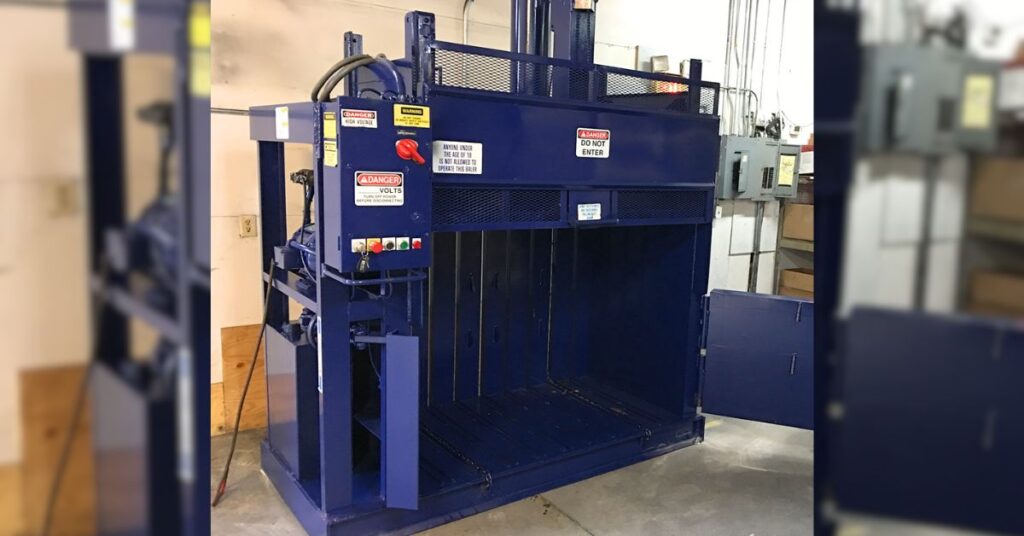
Small commercial compactors typically work well for businesses with modest waste production. Restaurants, small retail stores, office buildings, apartment communities, and medical clinics often benefit from these compact models. Their smaller footprint allows installation where available space remains limited.
Although compact in size, smaller machines significantly reduce waste volume. Businesses can decrease dumpster overflow while maintaining a cleaner property. Small compactors also lower labor requirements because employees spend less time transporting waste to outside containers.
Medium-Sized Trash Compactors
Medium-sized compactors serve businesses that generate consistent daily waste but don’t require the largest industrial equipment. Grocery stores, hotels, schools, manufacturing facilities, and distribution centers often choose this category because it balances capacity with operational flexibility.
These compactors accommodate larger waste volumes while remaining manageable for properties with moderate space limitations. They reduce pickup frequency and improve overall waste handling efficiency. Many organizations find that medium units provide the ideal combination of performance and affordability.
Large Industrial Trash Compactors
Large industrial compactors handle facilities that generate significant waste throughout the day. Distribution warehouses, manufacturing plants, processing facilities, airports, shopping centers, and large commercial properties frequently require this level of equipment.
These units process heavy waste loads continuously without sacrificing performance. Their larger containers allow facilities to store significantly more compacted waste before requiring pickup. Businesses handling bulky packaging materials, pallets, cardboard, plastics, and mixed refuse often benefit from this increased capacity.
Stationary vs. Self-Contained Compactors
Compactor size represents only one part of the selection process. Businesses also choose between stationary and self-contained systems depending on the waste they produce.
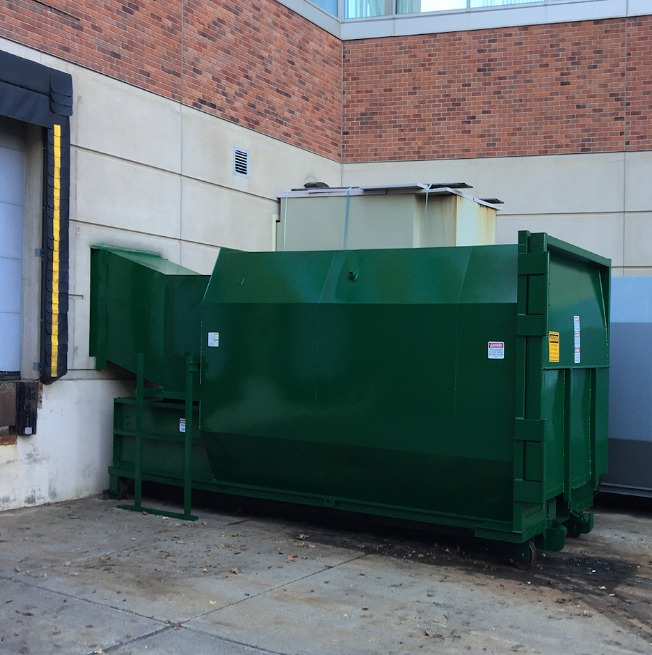
Stationary compactors work best for dry waste, such as cardboard, paper, plastics, and general refuse. The compactor remains on-site while haulers remove the detachable container. This design minimizes downtime because the compactor stays operational during container exchanges.
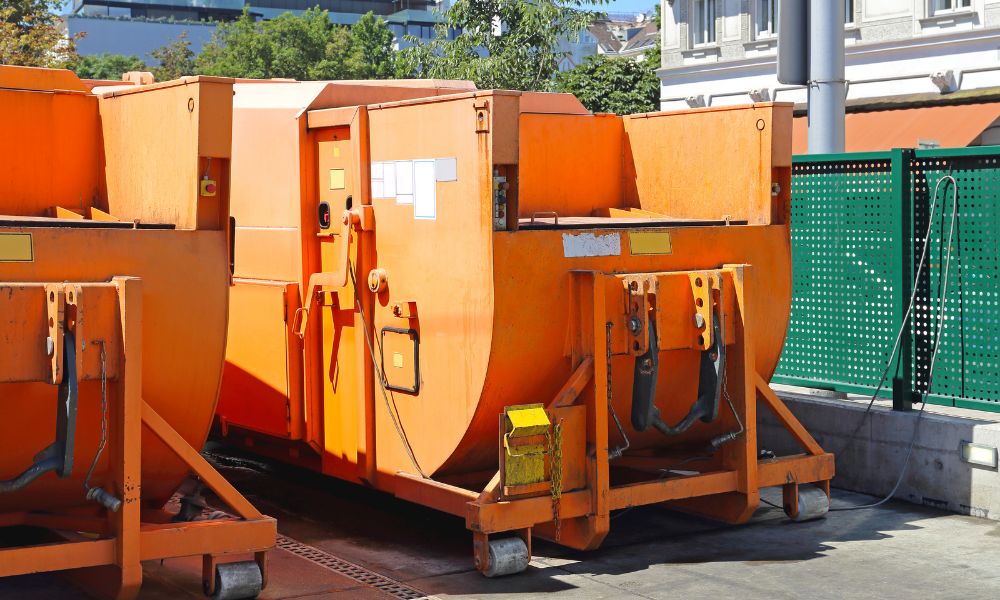
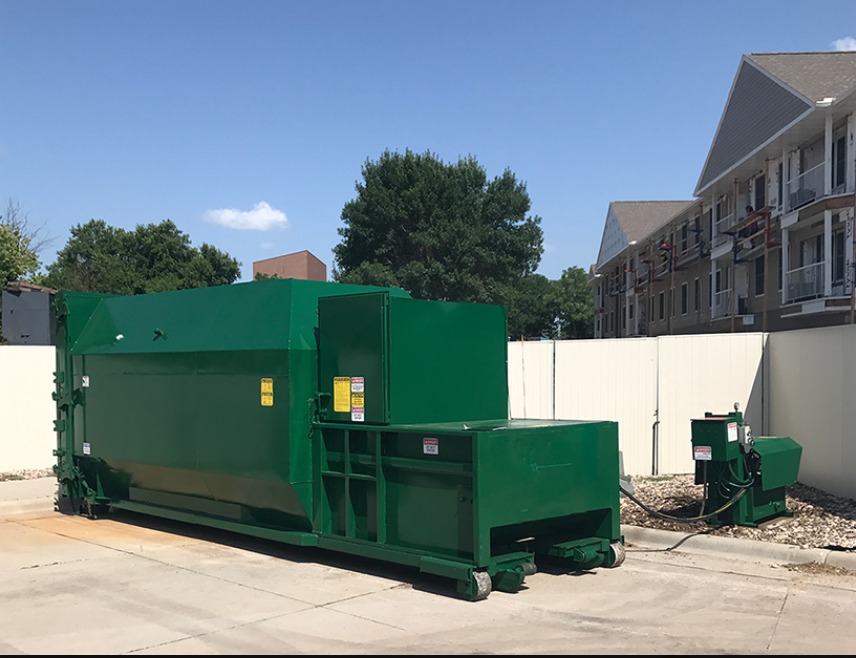
Self-contained compactors combine the compactor and container into one sealed unit. Businesses producing wet waste, food waste, or liquids often choose this design because it prevents leaks and controls odors. Restaurants, grocery stores, hospitals, and food processing facilities frequently install self-contained compactors for sanitation purposes.
Matching Compactor Size to Your Industry
Different industries create unique waste streams that require specialized solutions. Understanding common applications can narrow your options.
Retail stores often manage large volumes of cardboard and packaging. Apartment communities typically produce mixed household waste throughout the week. Manufacturing plants generate production waste that varies significantly based on operations.
Hotels and healthcare facilities require dependable waste removal to maintain cleanliness and regulatory compliance. Distribution centers often process tremendous amounts of shipping materials that benefit from larger compaction systems. Educational campuses also experience seasonal fluctuations that require flexible equipment sizing.
Plan for Future Growth
Many businesses focus only on today’s waste volume when selecting equipment. Growth, however, often changes waste production within only a few years. Expanding facilities, increased customer traffic, additional product lines, or larger workforces contribute to higher waste generation.
Choosing equipment with reasonable growth capacity avoids expensive replacements later. Businesses should consider projected expansion when evaluating compactor size. Equipment that accommodates moderate future growth often provides greater long-term value than purchasing the smallest available option.
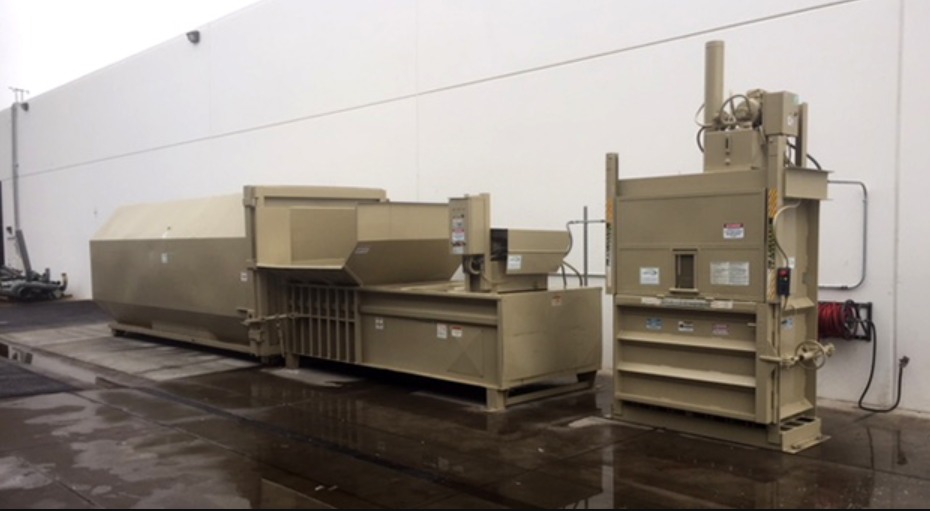
Why Renting Gives You More Flexibility
Purchasing heavy waste equipment requires a substantial capital investment. Renting provides greater flexibility while eliminating many ownership responsibilities. Businesses receive professionally maintained equipment without worrying about major repair expenses or equipment depreciation.
Many organizations choose commercial trash compactor rentals because rental programs simplify budgeting and eliminate unexpected maintenance costs. Rental agreements also provide opportunities to upgrade equipment as waste volumes increase. This flexibility allows businesses to adapt quickly without replacing owned machinery.
CRA supports customers through every stage of the rental process. Services include site evaluation, customized equipment recommendations, installation, employee training, preventative maintenance, emergency repairs, and nationwide support. Clear pricing and responsive service help businesses focus on daily operations instead of equipment management. We can help you one on one with the different trash compactor sizes to ensure your facility is equipped with the right machine.
Frequently Asked Questions
What size trash compactor does my business need?
The right size depends on your daily waste volume, waste type, available space, hauling schedule, and future growth plans. A professional site evaluation with CRA can provide the most accurate recommendation.
What industries benefit most from larger compactors?
Manufacturing plants, distribution centers, shopping centers, hotels, healthcare facilities, grocery stores, and large commercial properties often benefit from larger compactor capacities.
Can I upgrade my compactor if my business grows?
Yes. Many rental programs allow businesses to upgrade or swap equipment as operational needs change, making it easy to keep pace with business growth.
Does Compactor Rentals of America provide maintenance?
Yes. CRA provides preventative maintenance, rapid-response repairs, nationwide support, professional installation, staff training, and equipment service with no added fees for covered service or downtime.