Property management teams face growing pressure to control costs, improve sustainability, and maintain clean properties. Waste management trends continue to evolve quickly, and those changes directly impact maintenance coordinators and facility leaders.
When you understand what drives these shifts, you can plan smarter and avoid reactive decisions. Let’s break down the nine most important emerging waste management trends you should watch.
Smart Waste Technology and Data Tracking
Smart waste technology continues to reshape how properties manage trash and recycling. Sensors now track fill levels, monitor contamination, and measure hauling frequency in real time. Property managers use this data to adjust pickup schedules and prevent overflow issues. Maintenance coordinators gain clearer visibility into daily waste patterns and eliminate unnecessary service calls.
Data tracking also strengthens budgeting decisions. You can compare waste volume month over month and identify seasonal spikes. That insight allows you to get the right equipment and avoid overpaying for capacity you simply don’t need. Smarter systems give you control instead of guesswork.
Increased Focus on Sustainability Goals
Sustainability no longer sits on a marketing slide deck. Investors, tenants, and municipalities now demand measurable environmental progress. Property management teams must support corporate ESG goals with documented waste diversion efforts. Waste programs now require strategy, not just service.
You can reduce landfill waste by separating recyclables and organic materials at the source. Clear signage, tenant education, and equipment placement make a measurable difference. Many organizations now track diversion percentages as a key performance indicator. Strong waste systems support environmental responsibility and property value.
Right-Sizing Equipment for Efficiency
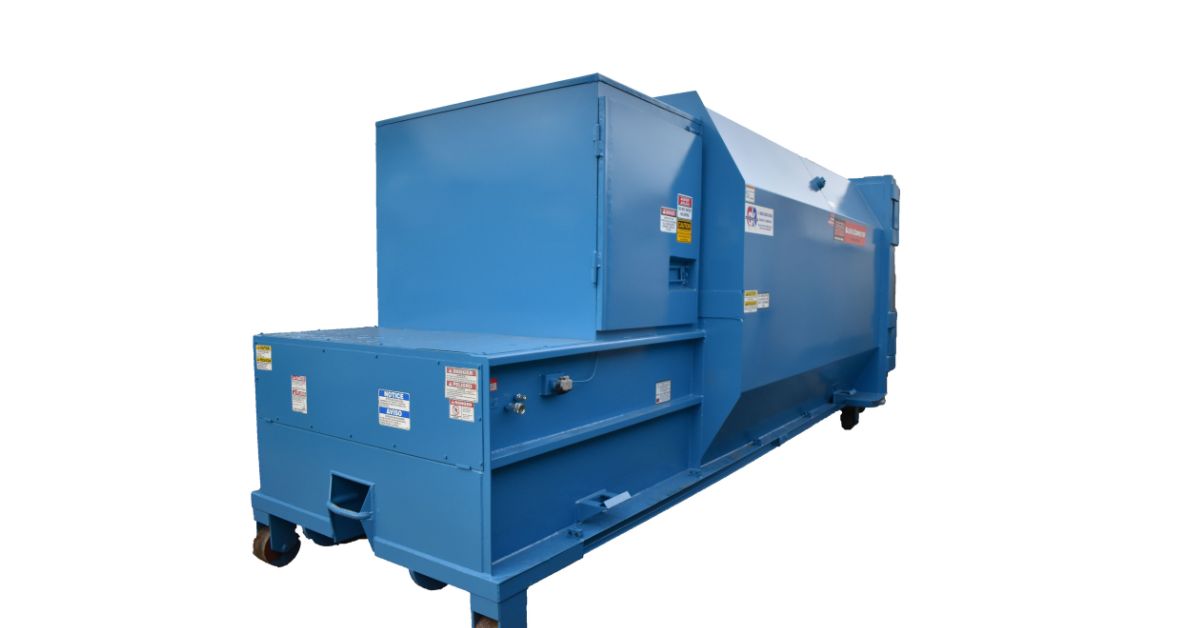
Oversized or undersized equipment creates unnecessary costs. Many properties operate compactors that do not match their actual waste output. That mismatch leads to extra hauls, downtime, or inefficient compaction cycles. Smart sizing improves operational flow and reduces hauling frequency.
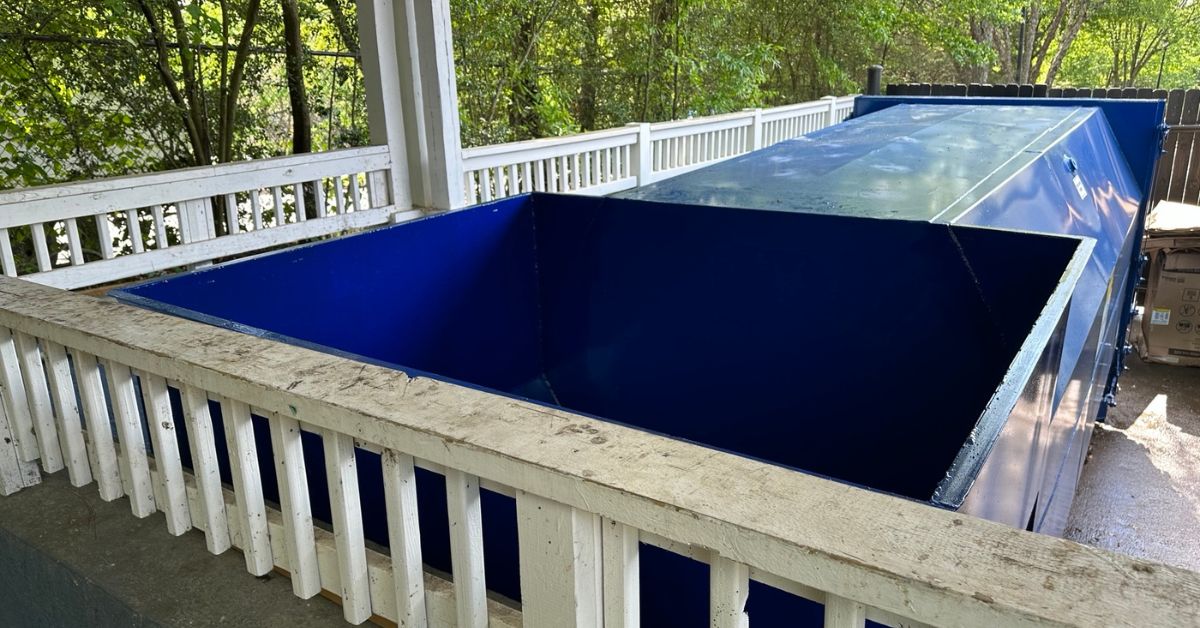
Property managers increasingly evaluate compaction force, container capacity, and tenant usage patterns before selecting equipment. A cardboard compactor rental often helps properties handle retail or e-commerce packaging waste without overwhelming standard containers. Maintenance teams benefit from fewer overflow complaints and safer collection areas. The right equipment transforms waste management from reactive to controlled.
Waste Diversion and Recycling Expansion
Recycling programs continue to expand beyond basic paper and plastic collection. Many properties now explore food waste diversion, construction debris recycling, and specialized material streams. Cities across the country strengthen regulations and reporting requirements. Property managers must stay ahead of those changes.
A structured diversion program typically includes:
- Clearly labeled collection areas
- Consistent tenant education materials
- Dedicated equipment for recyclables
- Regular waste audits to track progress
- Transparent reporting for stakeholders
When you implement these elements, you reduce contamination and increase recovery rates. Strong diversion strategies also support sustainability reporting efforts. Tenants notice when properties invest in responsible waste solutions.
Labor Shortages Driving Automation
Labor shortages continue to affect waste hauling and on-site maintenance teams. Fewer drivers and service technicians create scheduling challenges across the industry. Properties now look for equipment solutions that reduce manual handling. Automation becomes a practical necessity, not a luxury.
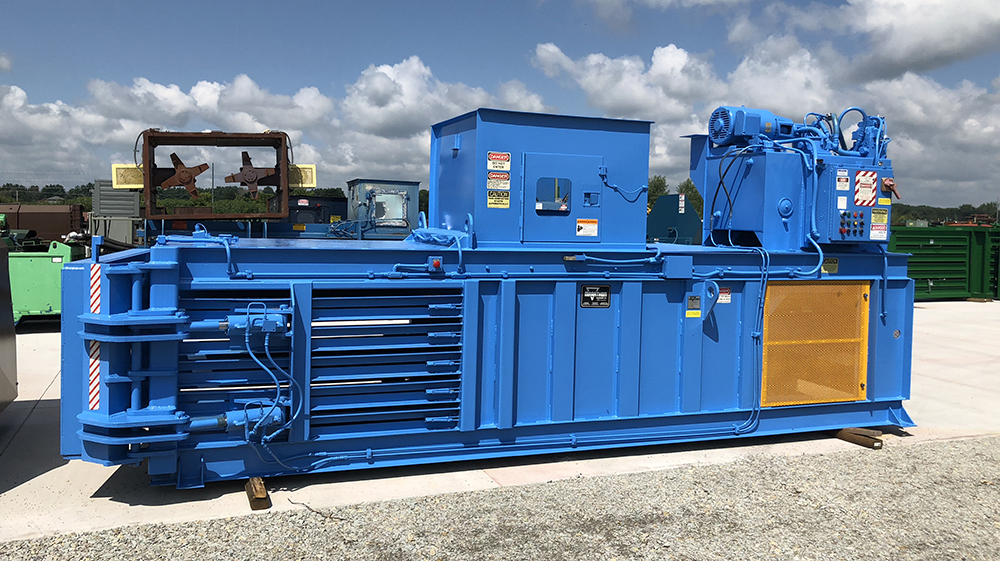
Compactors and balers reduce the frequency of hauling trips and minimize loose waste handling. Maintenance staff spend less time managing overflowing dumpsters. Automated systems also improve safety by limiting direct contact with waste materials. That efficiency supports operational continuity and employee well-being.
Regulatory Changes and Compliance Pressure
Local and state regulations continue to evolve, especially around landfill diversion and contamination. Some municipalities impose fines for improper recycling practices. Others require documentation of diversion percentages for commercial properties. Compliance now demands active oversight.
Property managers must review contracts, signage, and hauling procedures regularly. Clear internal communication prevents costly violations. Equipment placement and access also influence compliance outcomes. When you align infrastructure with regulations, you reduce risk and protect your property’s reputation.
Centralized Waste Programs for Multi-Site Portfolios
Large property portfolios now favor centralized waste management strategies. Instead of managing each location independently, organizations standardize equipment, reporting, and service expectations. This approach improves consistency across multiple states and asset types. National coverage becomes essential for scaling operations.
A partner with experience across the lower 48 states can coordinate equipment delivery, service scheduling, and performance tracking. Compactor Rentals of America supports B2B clients that produce high waste volumes and require reliable nationwide solutions. Standardized programs simplify budgeting and vendor communication. Property maintenance coordinators gain one point of contact instead of juggling multiple providers.
Design Integration in New Developments
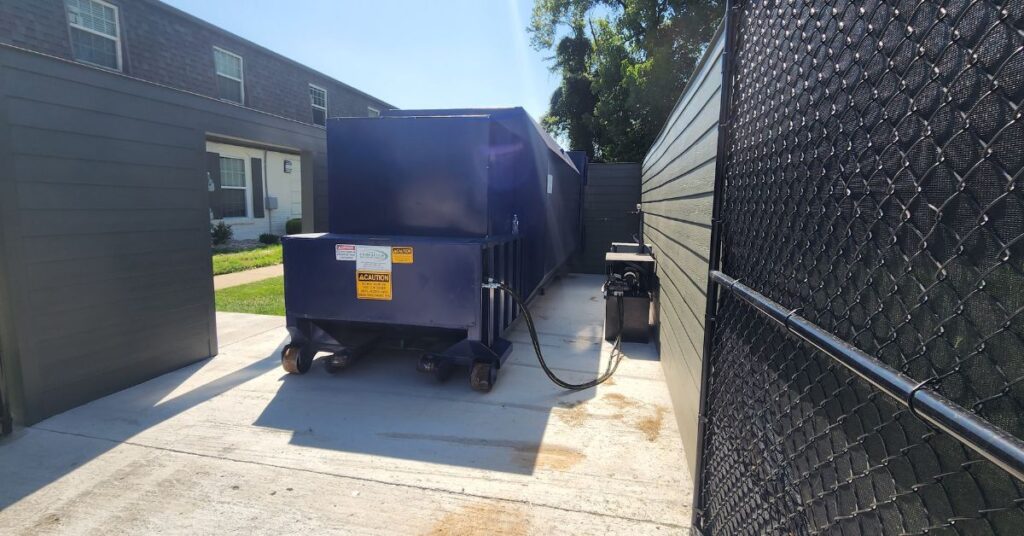
Developers now integrate waste systems earlier in the building design phase. Architects consider compactor placement, access routes, and enclosure design during planning. This proactive approach prevents logistical headaches after construction finishes. Proper design also improves aesthetics and safety.
When teams include waste experts during development, they optimize space and equipment layout. Strategic placement reduces tenant inconvenience and service disruptions. Early planning also supports sustainability certifications and green building standards. Forward-thinking design protects long-term operational efficiency.
Data-Driven Vendor Partnership
Property managers increasingly evaluate vendors based on measurable performance. They expect clear reporting, transparent pricing, and proactive communication. Vendors who offer expertise rather than just equipment stand out in competitive markets. Trust becomes a deciding factor.
Compactor Rentals of America leads with integrity and industry expertise while delivering real solutions for high-volume waste generators. Experienced partners analyze waste output, recommend right-sized equipment, and support long-term planning. Maintenance coordinators benefit from guidance instead of trial and error. Strong vendor relationships reduce operational stress and improve outcomes.
What These Trends Mean for Property Maintenance Coordinators
Emerging waste management trends point toward smarter systems, stronger compliance, and measurable sustainability goals. Property maintenance coordinators now play a strategic role in waste planning decisions. You influence equipment selection, service frequency, and tenant education efforts. Your daily observations shape long-term improvements.
Proactive planning protects your budget and improves tenant satisfaction. When you evaluate waste trends annually, you avoid emergency equipment upgrades and unnecessary hauling costs. Partnering with experienced compactor and baler experts like us strengthens your operational confidence. The right strategy keeps your property clean, compliant, and cost-efficient.
Take the Next Step in Waste Optimization
Waste management trends will continue to evolve as technology, regulations, and sustainability goals expand. Property managers who stay informed make smarter investments and reduce long-term costs. You do not need to navigate these trends alone. Experienced partners like Compactor Rentals of America can help you align equipment and service with your operational goals.