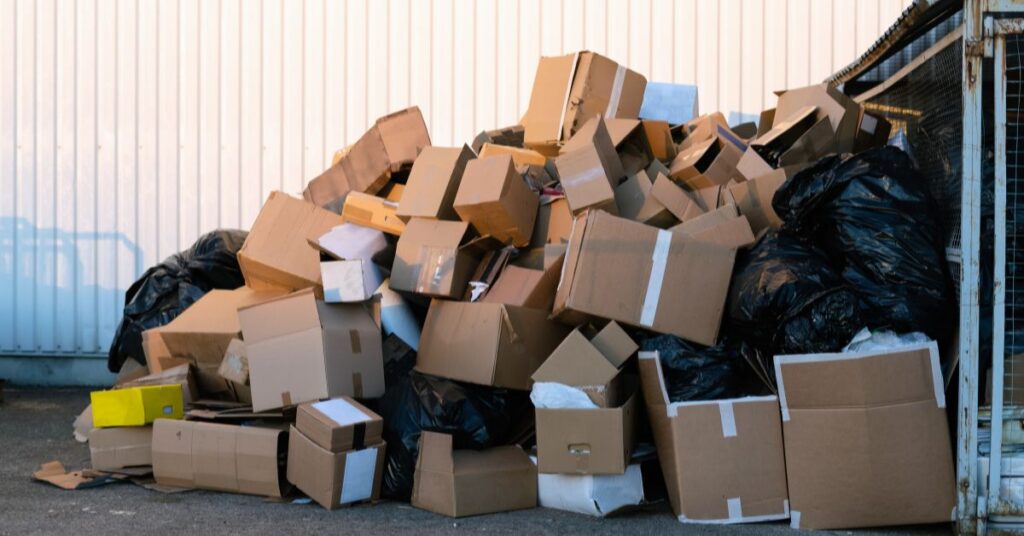
Profit margins in the logistics and warehousing sectors are often tight. Every operational inefficiency bleeds money, and one of the most significant, yet frequently overlooked, sources of lost revenue is waste management. An unoptimized waste strategy creates clutter, slows down forklifts, increases safety hazards, and inflates disposal fees.
Conversely, a streamlined approach transforms waste handling from a cost center into a potential revenue stream or, at the very least, a neutral operational element. Compactor Rentals of America created this complete guide to optimizing warehouse waste management, supporting you through a comprehensive overhaul of your waste practices.
Conduct a Comprehensive Waste Audit
You can’t fix what you don’t measure. The first step in optimization involves physically examining the waste your facility generates. Walk the floor and look inside the dumpsters. Determine exactly what materials end up in the trash. You will likely find that a significant percentage of your “waste” is actually recyclable material like cardboard, shrink wrap, or wood pallets.
Identify the points of generation. Does the receiving dock generate the most cardboard? Does the packing area produce the most paper waste? Documenting these details helps you place bins and equipment in the most logical locations. This data is the baseline for all future improvements. Without an audit, any changes you make are merely guesses.
Implement Source Separation Protocols
Contamination kills recycling value. If an employee throws a half-full soda bottle into a bin full of cardboard, that cardboard often becomes trash. You must separate materials at the source to resolve this issue. Do not rely on a third-party facility to sort your waste later; that service costs a premium and yields lower diversion rates.
Place dedicated bins for specific material streams directly where workers generate the waste. If the receiving team cuts shrink wrap off pallets, place a plastic-only film bin within arm’s reach. If they break down boxes, place a cardboard collector right next to the conveyor. Removing the physical friction of recycling increases compliance.
Select the Right Compaction Equipment
Air is the most expensive thing you can ship. If your dumpsters are full of loose cardboard boxes or uncrushed plastic, you pay haulers to transport empty space. Compaction equipment is the standard solution for high-volume facilities.
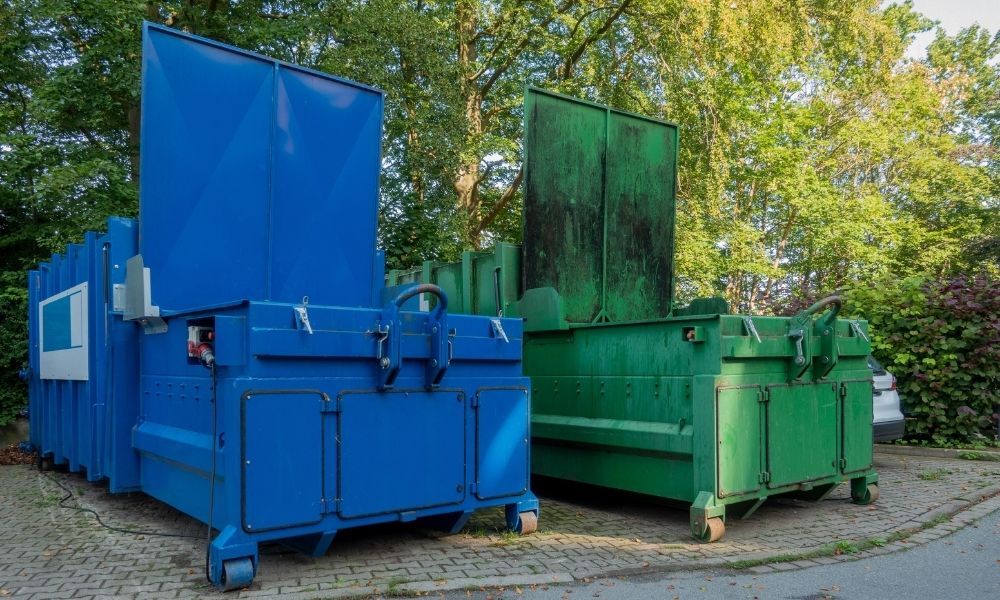
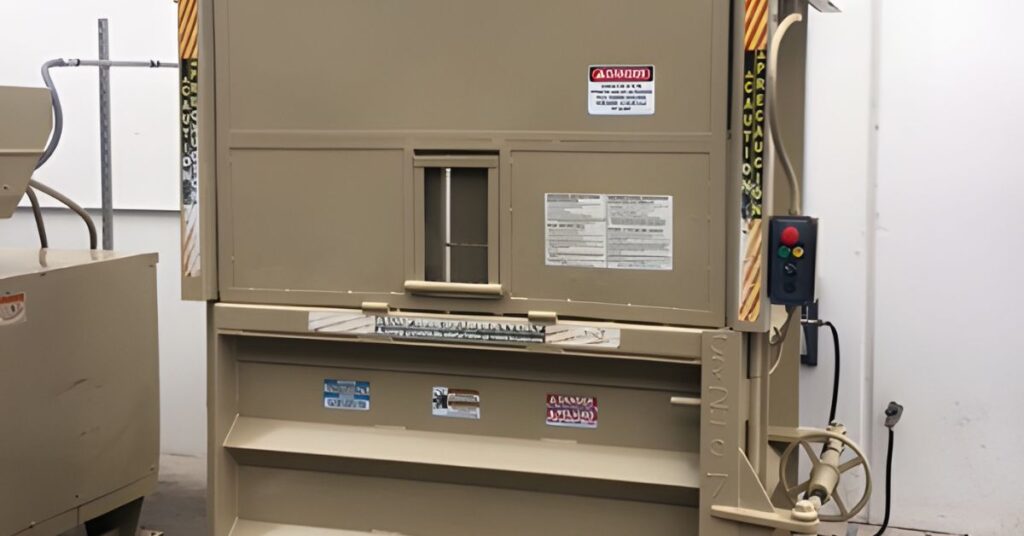
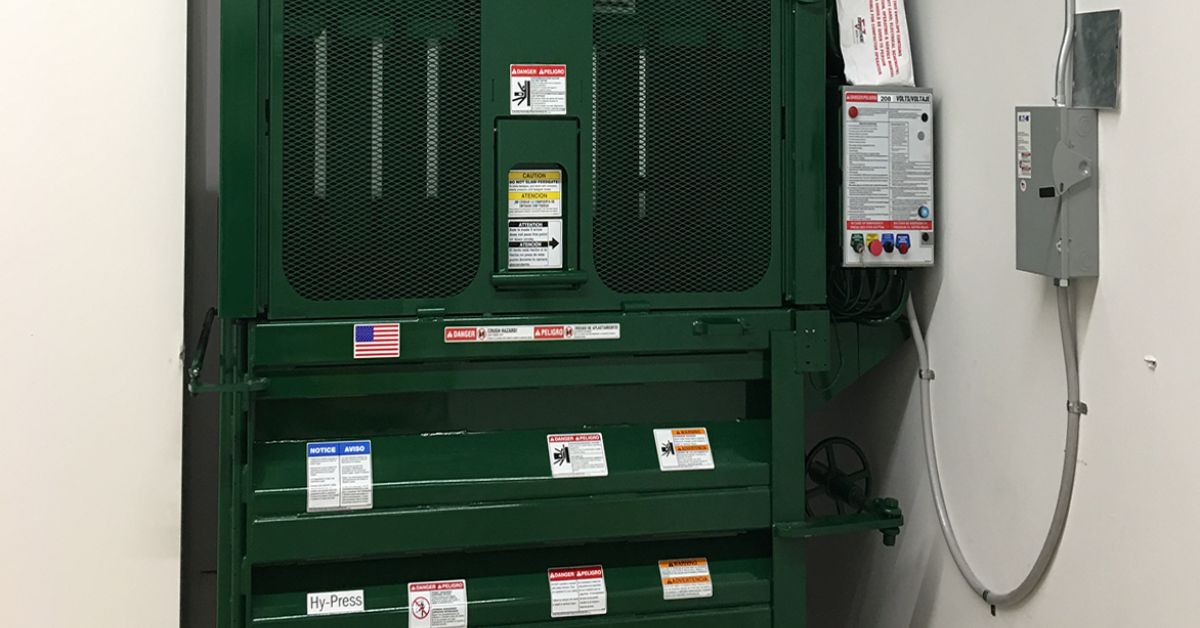
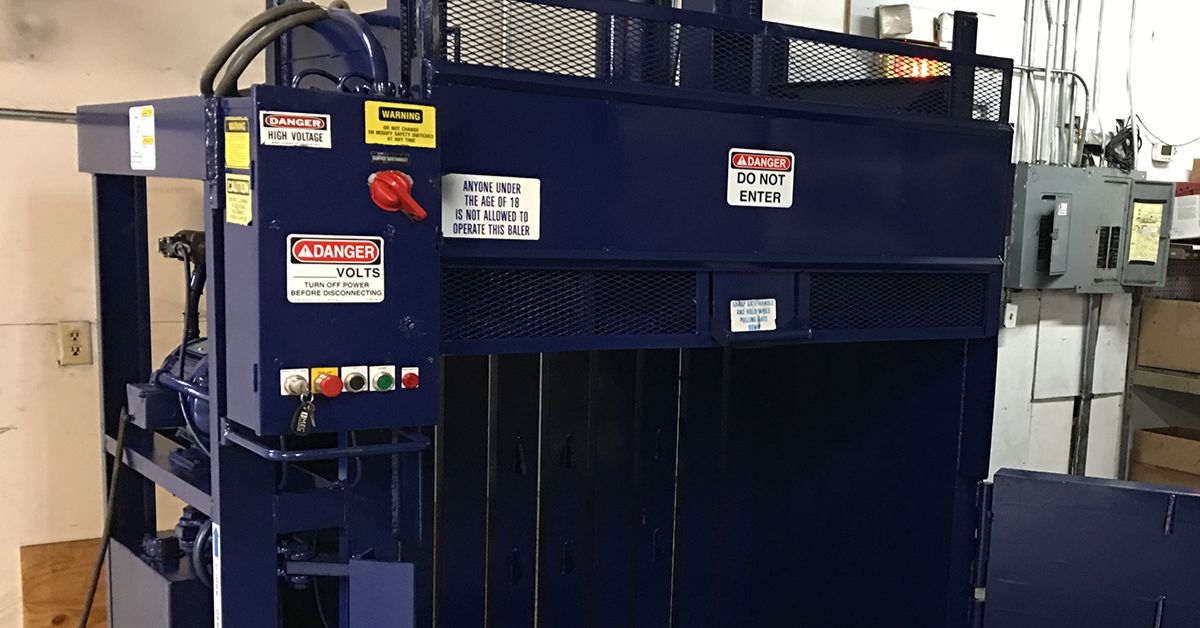
For warehouses generating substantial amounts of old corrugated cardboard (OCC), a vertical baler allows you to compress loose boxes into dense, stackable cubes. This equipment reduces the footprint of waste storage and creates a commodity that recyclers may buy from you. For general trash, self-contained compactors reduce the frequency of hauls, instantly lowering transportation costs. Match the machine to your volume to encourage a return on investment.
Standardize Employee Training Programs
The best equipment and protocols fail without employee buy-in. Machinery handles the heavy lifting, but humans make the sorting decisions. Training must go beyond a five-minute mention during onboarding. It requires consistent reinforcement.
Create clear, visual aids. Use pictures, not just words, to show what goes in each bin. Color-code your containers—blue for recycling, green for compost, gray for landfill—and match those colors to signage throughout the facility. When protocols change, retrain the staff immediately. If the team understands why separation matters—safety, profit sharing, efficiency—they’re more likely to participate in the efforts.
Optimize Inbound Packaging Strategies
The most effective way to manage waste is to prevent it from entering the building. Engage with your suppliers regarding their packaging methods. If a vendor ships small items in oversized boxes filled with Styrofoam peanuts, that becomes your disposal problem.
Request changes in shipping materials. Ask for reusable totes or pallets. Push for minimal packaging or recyclable alternatives like kraft paper instead of plastic air pillows. Reducing inbound waste directly lowers your outbound disposal fees and labor costs. It shifts the responsibility back up the supply chain where it belongs.
Maximize Internal Material Reuse
Before recycling or throwing away an item, determine if it has a second life within the warehouse. Many materials that arrive on the receiving dock can transition to the shipping dock without ever leaving the building.
Consider these common reuse opportunities:
- Cardboard Boxes: Clean boxes can reship outbound orders.
- Pallets: Inspect and repair wood pallets for internal storage or outbound shipments.
- Dunnage: Save bubble wrap and air pillows from inbound returns to protect outbound goods.
Negotiate Hauler Contracts and Schedules
Waste hauling contracts often contain auto-renew clauses and price hikes that go unnoticed. Review your agreements regularly. Make sure you pay competitive market rates. More importantly, optimize your pickup schedule.
Many warehouses pay for a pickup every Tuesday and Friday, regardless of whether the dumpster is full. If the hauler empties a container that is only 30 percent full, you just tripled your cost per ton. Switch to an on-call status or install sensors that notify the hauler only when the container reaches capacity. Pay only for the service you actually need.
Establish Key Performance Indicators
To maintain optimization, you must track performance. Establish key performance indicators (KPIs) related specifically to waste management. Common metrics include the diversion rate (percentage of waste recycled vs. landfilled), average weight per haul, and total waste cost per operating hour.
Review these metrics monthly. If the diversion rate drops, investigate the cause immediately. Perhaps a new employee needs training, or a specific machine malfunctioned. Data visibility keeps the process tight and prevents bad habits from returning.
Ensure Regulatory Compliance and Safety
Improper waste management creates legal and physical liabilities. Warehouses often handle batteries, light bulbs, electronics, or chemical cleaners that classify as universal or hazardous waste. Throwing these items in the general trash violates federal and state regulations, leading to massive fines.
Create a specific workflow for hazardous materials. Store them in compliant containers with proper labeling. Partner with specialized disposal companies for these streams. Furthermore, make sure all waste handling areas remain clean and fire safe. Piles of loose cardboard present a significant fire risk. Keeping the facility compliant protects the business from regulatory bodies and insurance claims.
Sustainable Operations Drive Profit
Optimizing warehouse waste management requires a systematic approach. It’s not about going or being green for the sake of public relations; it’s about operational excellence as a foundation. Every piece of trash represents a cost in purchase price, handling labor, and disposal fees.
By auditing your waste, segregating materials, investing in proper equipment, and training your staff, you regain control over these costs. A clean, efficient warehouse moves faster and operates cheaper. Start with the audit, identify the low-hanging fruit, and build a culture where waste reduction is everyone’s responsibility. The result will be a safer facility and a healthier bottom line. Partner with Compactor Rentals of America to gain access to reliable waste management equipment and processes.