Commercial waste compactors serve as the workhorses of waste management for businesses, handling tons of refuse to keep sites clean and costs down. When these machines fail, operations grind to a halt, odors rise, and safety hazards multiply. Identifying the root cause quickly saves money on service calls and minimizes downtime.
Most compactor issues stem from simple operational errors or lack of maintenance rather than catastrophic mechanical failure. By learning about these common waste compactor problems, facility managers can fix them effectively before calling a technician.
The Compactor Will Not Start
A compactor that refuses to turn on creates an immediate crisis. The most frequent culprit is often the simplest: power supply issues. Check the main disconnect switch first. It should be in the on position. Sometimes, staff members turn this off during cleaning or loading and forget to reset it.
If the switch is on, check the emergency stop button. This large red button, usually located on the control panel, cuts power instantly for safety. Pull the button out to reset it. If the machine still lacks power, inspect the circuit breaker panel. A tripped breaker indicates an electrical surge or overload. Reset the breaker once. If it trips again immediately, you likely have a short circuit or a motor issue requiring a professional electrician.
The Ram Moves Slowly or Shudders
A sluggish or shuddering ram suggests hydraulic system trouble. Low hydraulic fluid levels often cause this behavior. Check the sight gauge on the reservoir. If the level is low, add the manufacturer-recommended fluid type. Do not overfill.
Cold weather also affects hydraulic fluid viscosity. In freezing temperatures, the fluid thickens, making the pump work harder. Installing a heater for the hydraulic tank solves this issue in colder climates.
The Motor Runs but the Ram Does Not Move
When you hear the motor humming but see no movement from the ram, you likely have a mechanical disconnect or a severe hydraulic failure.
Inspect the coupling between the motor and the hydraulic pump. A broken or sheared coupling means the motor spins, but it cannot turn the pump. You will need to replace the coupling.
Another possibility involves the directional valve. This valve controls the flow of fluid to the cylinders. If the solenoid that operates this valve burns out or a piece of debris jams the spool, the ram will stay put. Check the solenoid coils for magnetism when energized. If they do not magnetize, replace the coil.
The Compactor Makes Excessive Noise
Unusual noises indicate internal distress. A high-pitched whining sound usually points to the hydraulic pump. This often means the pump is starving for oil (cavitation) or is worn out. Check the fluid level and the suction strainer in the tank. If the strainer is clean and the level is full, the pump bearings may be failing.
Clanking or banging sounds suggest loose mechanical parts. Inspect the ram’s guide shoes. These wear pads keep the ram centered. If they wear down completely, metal-on-metal contact occurs between the ram and the floor or sides of the container. Replace worn guide shoes immediately to prevent expensive structural damage.
The Machine Creates Hydraulic Leaks
Hydraulic leaks create slip hazards and environmental violations. Most leaks occur at hoses, fittings, or cylinder seals.
Inspect all hydraulic hoses for cracks, abrasions, or bubbles. High pressure makes even pinhole leaks dangerous. Replace any damaged hose immediately. Do not try to patch high-pressure hydraulic lines.
The Waste Does Not Compact Tightly
Poor compaction ratios mean more hauls and higher costs. This issue often relates to system pressure.
Locate the pressure gauge on the power unit. Compare the reading during the compaction cycle to the manufacturer’s specifications. If the pressure is too low, the relief valve setting might have drifted. Adjusting the relief valve requires specific knowledge; incorrect adjustment can damage the pump or burst hoses.
Material type also affects compaction. Highly resilient material, like foam or large plastic containers, springs back after the ram retracts. Breaking down large items or changing how you load the hopper improves density.
The Compactor Smells Terrible
Odor complaints damage a business’s reputation and attract pests. The smell usually comes from liquid waste pooling in the container or decomposing organic matter stuck in the charge box.
Make sure the compactor unit has proper drainage. Liquid accumulates when there’s a drain clog. Clean the drain regularly. Inspect the seals on the container door. Worn seals allow “juice” to leak onto the ground, creating a permanent stink. Replace door seals that look cracked or flattened.
The Automatic Cycle Does Not Work
Many compactors use an electric eye or pressure switch to cycle automatically when full. If the machine runs only in manual mode, the sensor is likely at fault.
Clean the photo eye lenses. Dust and grime block the beam, tricking the machine into thinking the hopper is empty or preventing the “full” signal. If the lenses are clean, check the alignment. The sender and receiver must point directly at each other.
The Container Will Not Detach
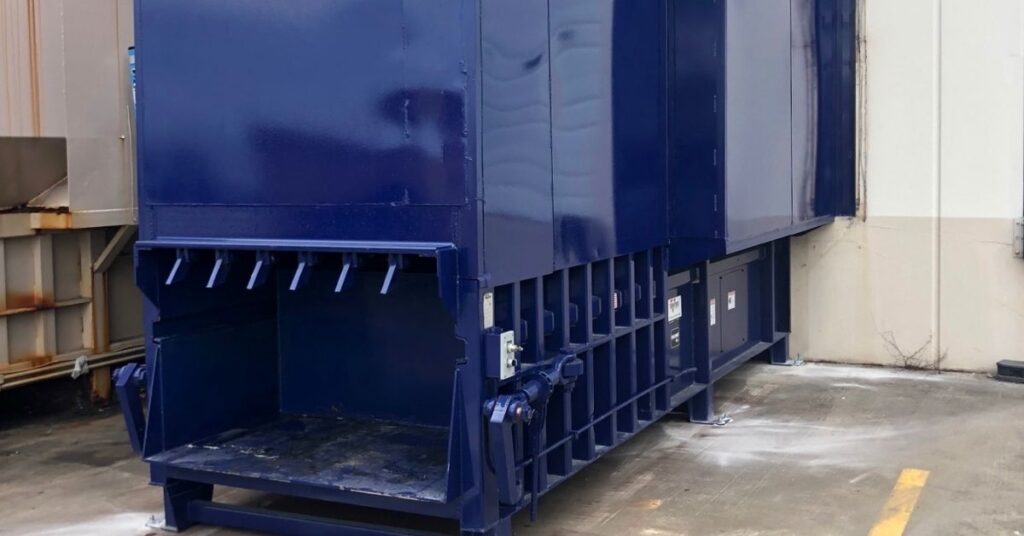
Another waste compactor problem that’s easy to fix is improper detaching. When the hauler arrives but cannot separate the container from the compactor, it results in a wasted trip charge.
This usually happens because the ratchets or turnbuckles that hold the container to the compactor jam. Rust and debris seize the threads. Keep these binders greased.
Misalignment poses another challenge. If the ground settles or the guide rails shift, the locking hooks bind under tension. Realigning the guide rails usually solves this.
The Cycle Time Is Too Long
A slow cycle reduces efficiency. If the cycle takes longer than the specification, check the pump flow. A worn pump delivers less volume per minute, slowing the cylinder movement.
A bypassing cylinder piston seal also slows operation. Fluid leaks past the internal piston seal, meaning the pump must push more fluid to move the rod. A flow meter test confirms this diagnosis.
Electrical voltage drops also slow the motor. Make sure the facility delivers the correct voltage to the machine.
If your equipment faces frequent breakdowns despite maintenance, consider a waste compactor rental to replace aging machinery with reliable, updated models. This shift eliminates the burden of major repairs and ensures consistent operation. Let Compactor Rentals of America know the issue so that we can pair you with the right rental equipment. Call (855) 898-4811 today.