Effective waste management is a critical component of running a successful business, yet many organizations overlook its impact on their bottom line. The expenses associated with waste disposal accumulate quickly, cutting into profits and straining operational budgets.
Taking control of your waste stream is a smart financial strategy. By implementing targeted waste reduction measures, businesses can uncover significant savings and improve overall efficiency. Take a look at these nine simple ways businesses can reduce waste disposal costs and how Compactor Rentals of America can help you in your efforts.
Conduct a Comprehensive Waste Audit
Understanding what you throw away is the first step toward reducing waste costs. A waste audit involves systematically sorting and quantifying the different types of waste your business generates. This process provides a detailed snapshot of your waste stream, identifying which materials make up the largest portion of your trash.
With this data, you can pinpoint specific areas for improvement, such as excessive food waste in a restaurant or large volumes of cardboard in a retail setting. An audit reveals what you discard and why, allowing you to develop a targeted reduction plan that addresses the root causes of waste.
Implement a Robust Recycling Program
A well-organized recycling program is one of the most effective ways to divert materials from landfills and lower disposal fees. Many items that businesses typically throw away, such as cardboard, paper, plastic bottles, and aluminum cans, have value as recyclable commodities. Start by providing clearly labeled bins in accessible locations to make it easy for employees to separate recyclables from general trash.
Moreover, educate your team on what they can and cannot recycle to prevent contamination, which can render an entire batch of materials un-recyclable. Partnering with a reputable waste management provider like us can help you establish an efficient collection schedule and ensure your recyclables are processed correctly.
Separate Organic Waste for Composting
For businesses in the food service, hospitality, or grocery sectors, organic waste often constitutes a significant portion of the total waste volume. This includes food scraps, spoiled produce, and compostable serviceware. Instead of sending this heavy, wet material to the landfill, where it generates harmful methane gas, you can set up a composting program.
Composting diverts organic matter from your general waste stream, which can dramatically reduce the weight—and therefore the cost—of your trash collection. Some municipalities offer commercial composting services, or you can partner with a private hauler to manage your organic waste.
Optimize Your Waste Collection Schedule
Many businesses operate on a fixed waste collection schedule, regardless of how full their dumpsters actually are. This often means you are paying for pickups you don’t need. Review your waste audit data and monitor your dumpster levels regularly to determine your actual collection needs.
You may find that you can reduce the frequency of pickups or switch to smaller containers, both of which can lead to immediate cost savings. A flexible collection schedule that aligns with your true waste output ensures you only pay for the services you use.
Train Your Staff on Waste Reduction Policies
Your employees are on the front lines of waste generation, and their participation is crucial for the success of any reduction initiative. Provide clear and consistent training on your company’s waste management policies, including proper sorting for recycling and composting. Explain the financial and environmental benefits of reducing waste to foster a sense of shared responsibility.
Furthermore, recognize and reward teams or individuals who demonstrate a strong commitment to your sustainability goals. Engaged employees are more likely to follow procedures correctly and identify new opportunities for ongoing waste reduction.
Reduce Packaging and Switch to Reusable Materials
Packaging materials often make up a substantial part of a business’s waste. Evaluate your supply chain to identify opportunities to reduce incoming packaging. You can work with your suppliers to request shipments in reusable containers or with minimal packaging.
Internally, switch from single-use items to reusable alternatives wherever possible. For example, replace disposable cups and cutlery in your breakroom with durable, washable options. These changes can also lower your procurement costs over time.
Compact Your Waste To Reduce Haulage Frequency
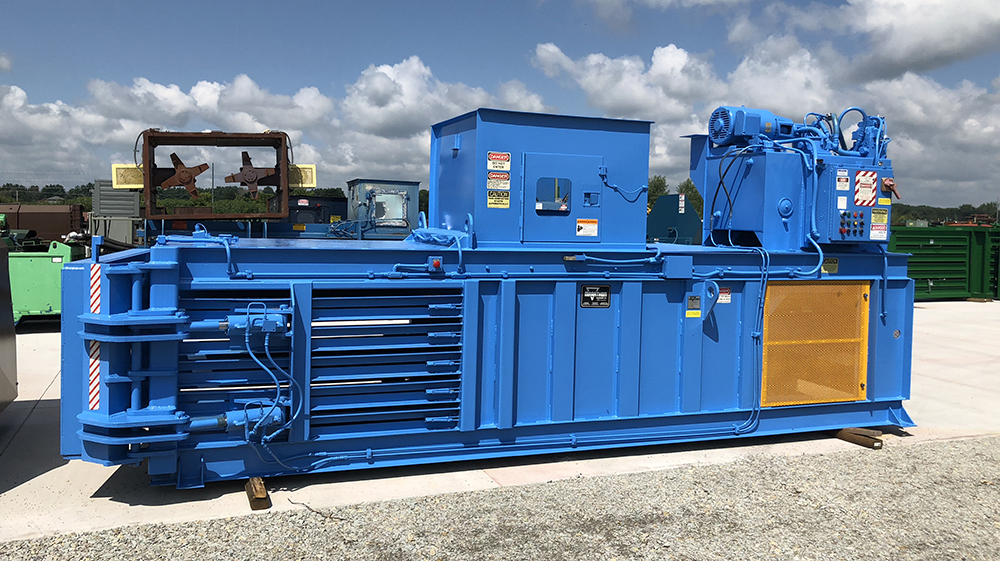
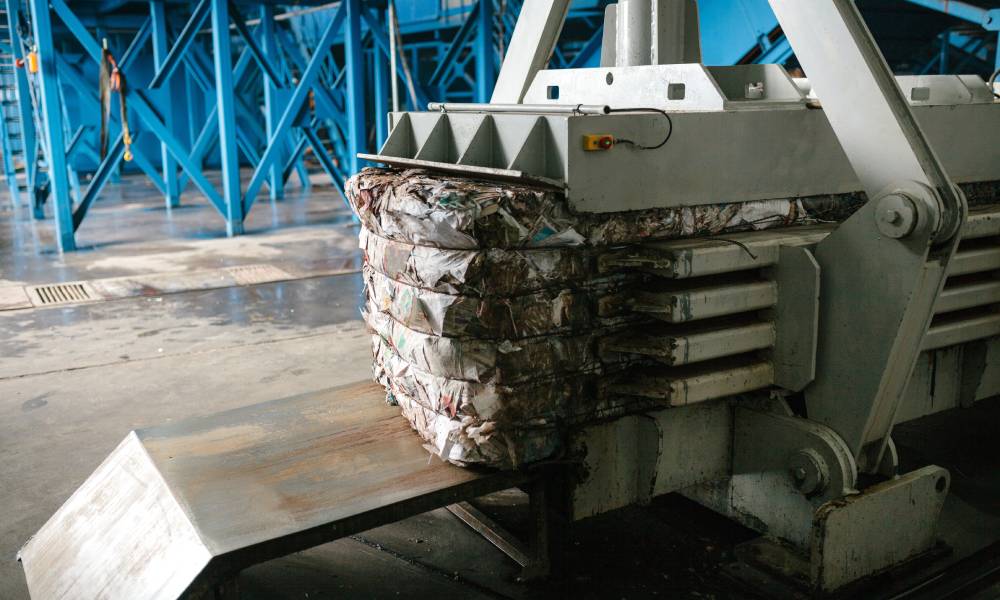
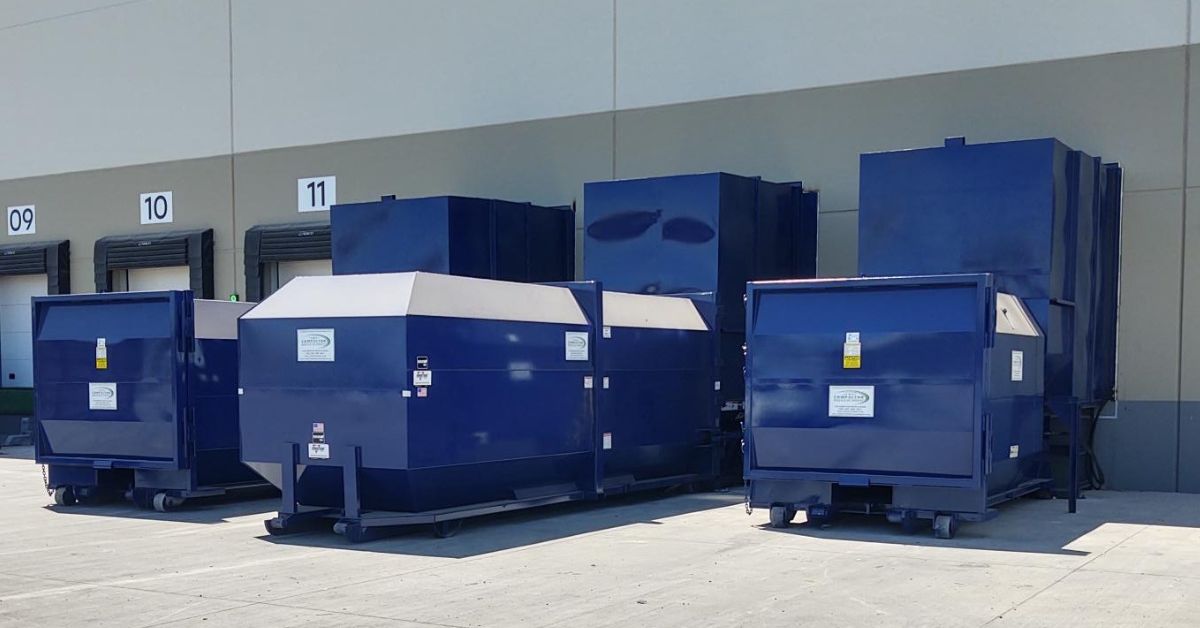
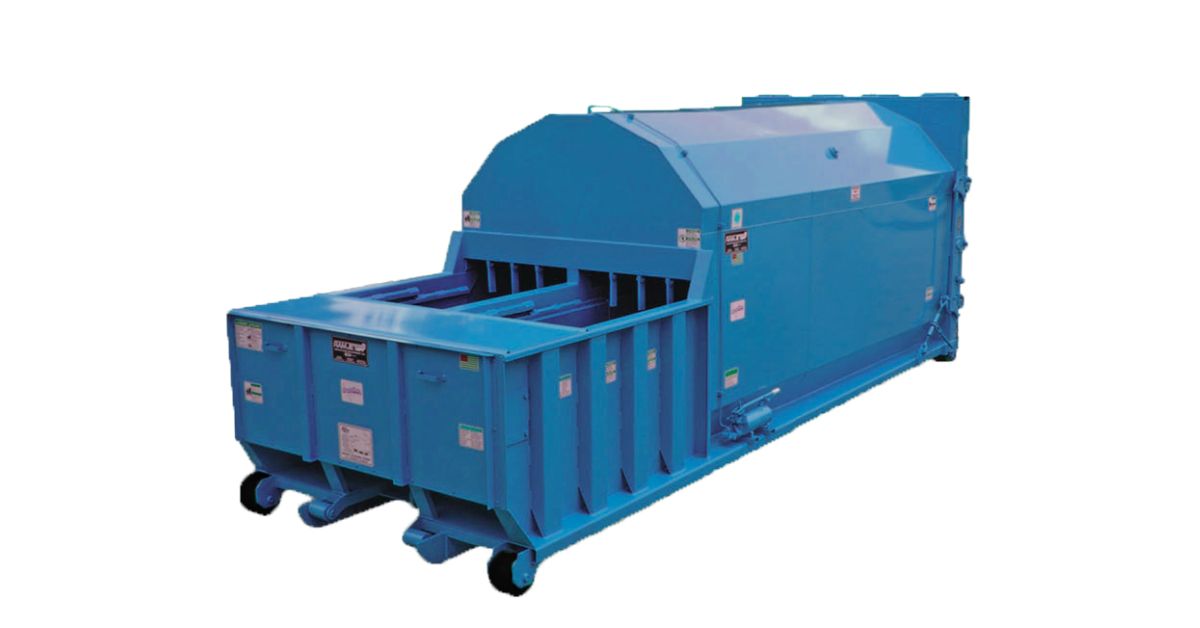
Compacting waste materials like cardboard and plastic can significantly reduce their volume, allowing you to fit more into each dumpster. This means you will require fewer collection trips, leading to direct savings on hauling fees. Investing in or renting a baler or compactor is a highly effective strategy for businesses that generate large quantities of recyclable materials.
For instance, a horizontal baler can process large volumes of cardboard into dense, manageable bales, making them easier to store and transport for recycling. The initial investment in equipment will quickly pay for itself through reduced disposal costs and potential revenue from selling baled recyclables.
Monitor Invoices and Negotiate With Your Waste Hauler
Regularly review your waste hauling invoices to make sure they’re accurate and that your service provider is not overcharging you. Look for hidden fees or charges for services you did not receive. Use the data from your waste audit to negotiate a better contract with your provider.
If you have successfully reduced your waste volume or improved your recycling rates, you have a strong case for requesting lower fees or a more favorable collection schedule. Don’t hesitate to shop around and get quotes from multiple providers to make sure you’re getting the most competitive rates.
Set Measurable Goals and Track Your Progress
Establish clear, measurable goals to ensure your waste reduction efforts are effective. For example, you might aim to reduce landfill waste by 20 percent within the first year or achieve a 50 percent recycling rate. Use the data from your waste audits to track your progress over time and identify what is working and what is not.
Regularly communicate your results to your team to maintain momentum and celebrate successes. Continuous monitoring allows you to make data-driven adjustments to your strategy, ensuring long-term financial and environmental benefits for your business.
Take Control of Your Waste Costs
Reducing waste disposal costs is an achievable goal that delivers tangible financial and operational benefits to various businesses. By understanding your waste stream, implementing effective diversion programs, and engaging your employees, you can transform waste from a liability into an asset. These strategies also enhance your brand’s reputation as a responsible and sustainable organization.
Start today by taking small, deliberate steps toward a more efficient waste management system, and watch the savings add up. Connect with Compactor Rentals of America to learn more about our rental programs and waste management services.