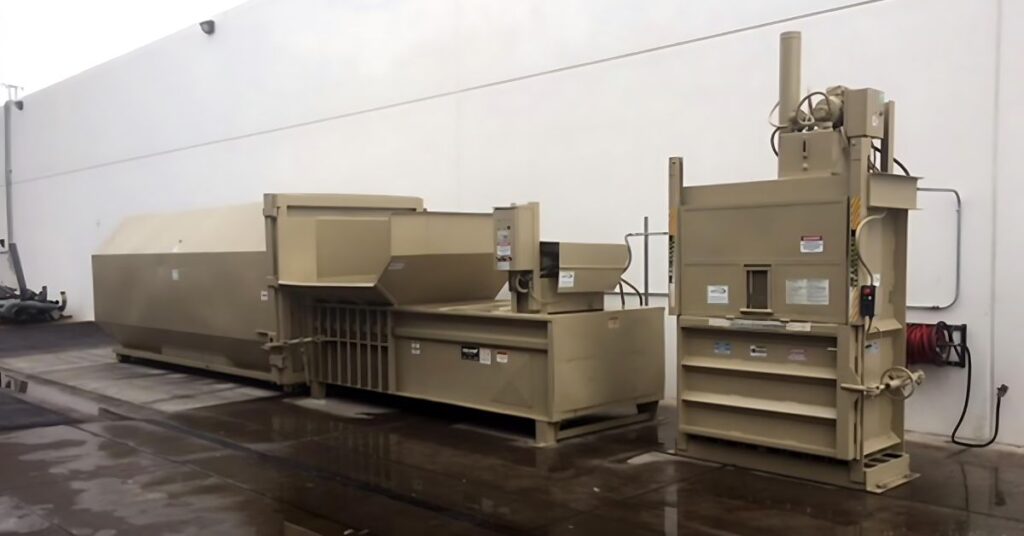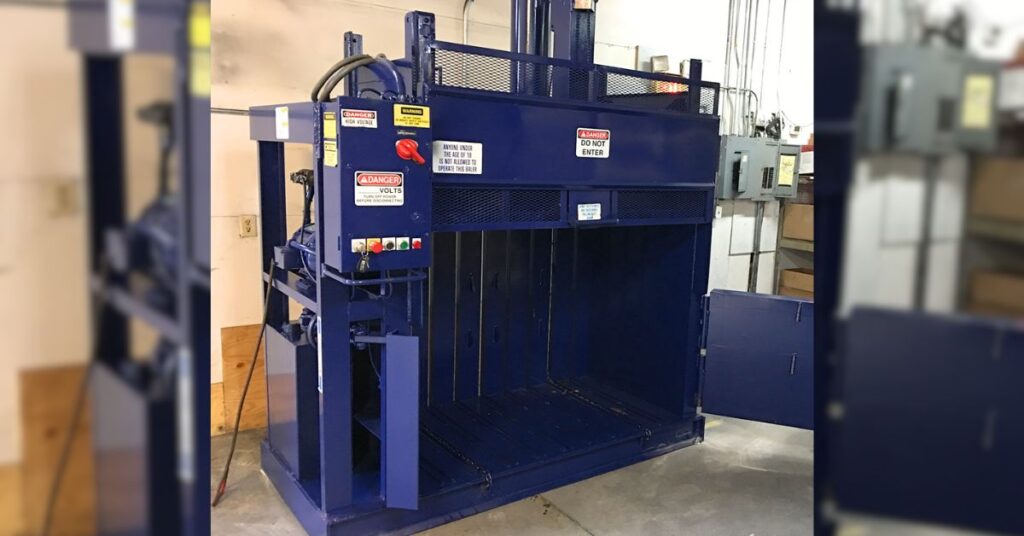
A baler is a vital piece of equipment for businesses that manage large volumes of recyclable materials like cardboard, plastic, and paper. It streamlines waste management, saves space, and even creates a revenue stream. However, like any heavy machinery, balers require regular maintenance to operate efficiently. Unexpected repairs and downtime can lead to significant expenses that affect your bottom line. Proactive maintenance is the key to unlocking cost control.
Caring for your baler extends its lifespan and ensures it runs safely and effectively on use. By implementing a consistent maintenance schedule and training your team properly, you will prevent many common issues before they become expensive problems. This approach helps you avoid costly emergency service calls and unplanned downtime, ultimately saving your business time and money. Here’s our guidance on how to reduce maintenance costs for your baler.
Follow a Daily Maintenance Checklist
One of the most effective ways to reduce long-term maintenance costs is to establish a routine of daily inspections. Create a simple checklist that operators can complete at the beginning or end of each shift. This practice catches minor issues before they escalate into major, costly repairs.
A daily check ensures the machine is safe to operate and is running at peak performance. This simple habit takes only a few minutes but can save you thousands in future repair bills.
Keep the Baler Clean and Clear of Debris
A clean machine is an efficient machine. Over time, dust, dirt, and small pieces of baling material build up in and around your baler. This accumulation interferes with moving parts, clog sensors, and cause the motor to overheat.
Instruct operators to regularly sweep or use compressed air to clear debris from the chamber, ram, and hydraulic components. Maintaining a clean baler prevents unnecessary wear and tear and helps you avoid service calls related to blockages or component failure.
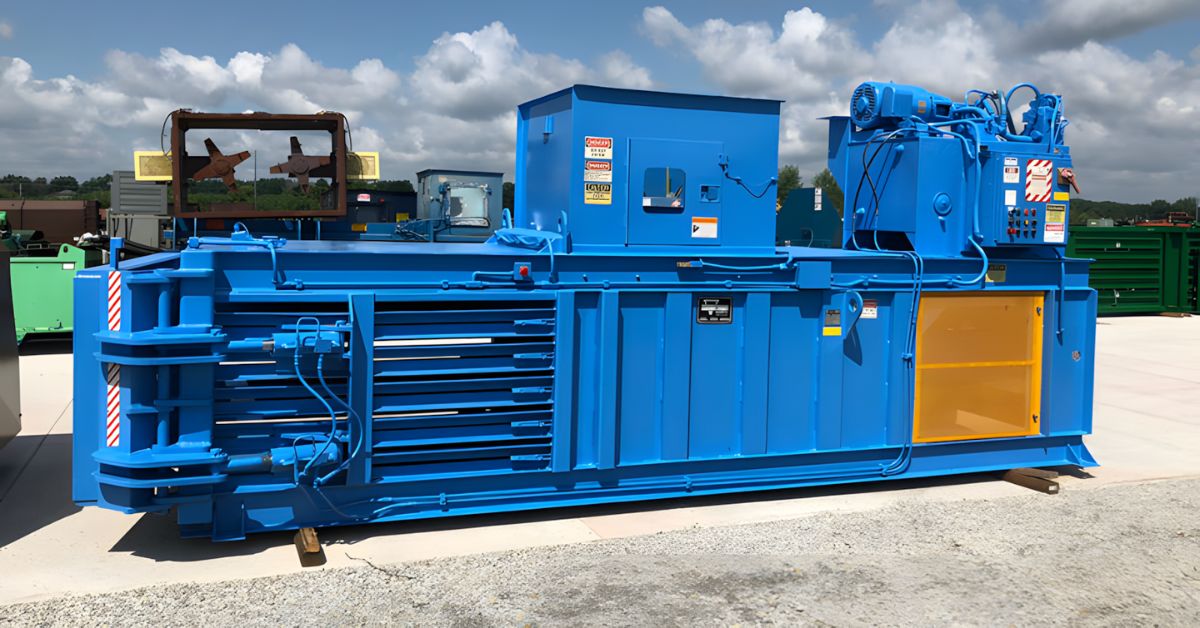
Regularly Inspect Hydraulic System Components
The hydraulic system is the heart of your baler, powering the ram that compacts materials. Regularly check hydraulic fluid levels and look for any signs of leaks around hoses, fittings, and cylinders. Low fluid levels or leaks will cause the system to overheat and fail, leading to expensive repairs of the pump or motor.
Furthermore, make sure all hydraulic connections are tight and that the fluid is clean. Contaminated fluid can damage internal components, so follow the manufacturer’s recommendations for fluid changes.
Monitor and Lubricate All Moving Parts
Proper lubrication is essential for reducing friction and preventing premature wear on your baler’s moving components. Your baler’s manual will specify which parts require lubrication and how often. Key areas typically include hinges, chains, and ram guides.
Using the correct type of lubricant is just as important as the frequency. Consistent lubrication ensures smooth operation, reduces strain on the motor, and extends the life of critical parts, minimizing the need for replacements.
Check and Tighten All Structural Fasteners
The constant vibration and powerful forces generated during a baling cycle will cause bolts and other fasteners to loosen over time. A loose bolt might seem like a small problem, but it can lead to misalignment of major components, causing significant damage.
During your regular inspections, verify that all structural bolts, nuts, and screws are tight. This simple step maintains the structural integrity of the machine and prevents operational issues that could result in costly downtime.
Sharpen or Replace the Baler’s Cutting Blades
For balers equipped with a shear blade, its sharpness is critical for efficient operation. A dull blade requires more force to cut through materials, which puts extra strain on the hydraulic system and motor. This increases energy consumption and accelerates wear on key components.
Regularly inspect the blade for dullness or damage and have it sharpened or replaced as needed. A sharp blade ensures clean cuts, reduces cycle times, and lowers the overall stress on the machine.
Ensure Proper and Consistent Operator Training
Your operators are the first line of defense against costly maintenance issues. Untrained or improperly trained employees can unknowingly cause significant damage to the baler by overloading it, using incorrect materials, or failing to recognize warning signs of a problem.
Invest in comprehensive training that covers the following topics:
- Correct loading procedures and capacity limits.
- The types of materials approved for your specific baler.
- Daily inspection and cleaning protocols.
- Recognizing unusual noises or operational changes.
- Emergency stop and safety procedures.
Well-trained operators run the machine more efficiently and can better identify and report potential issues early, preventing expensive repairs down the road.
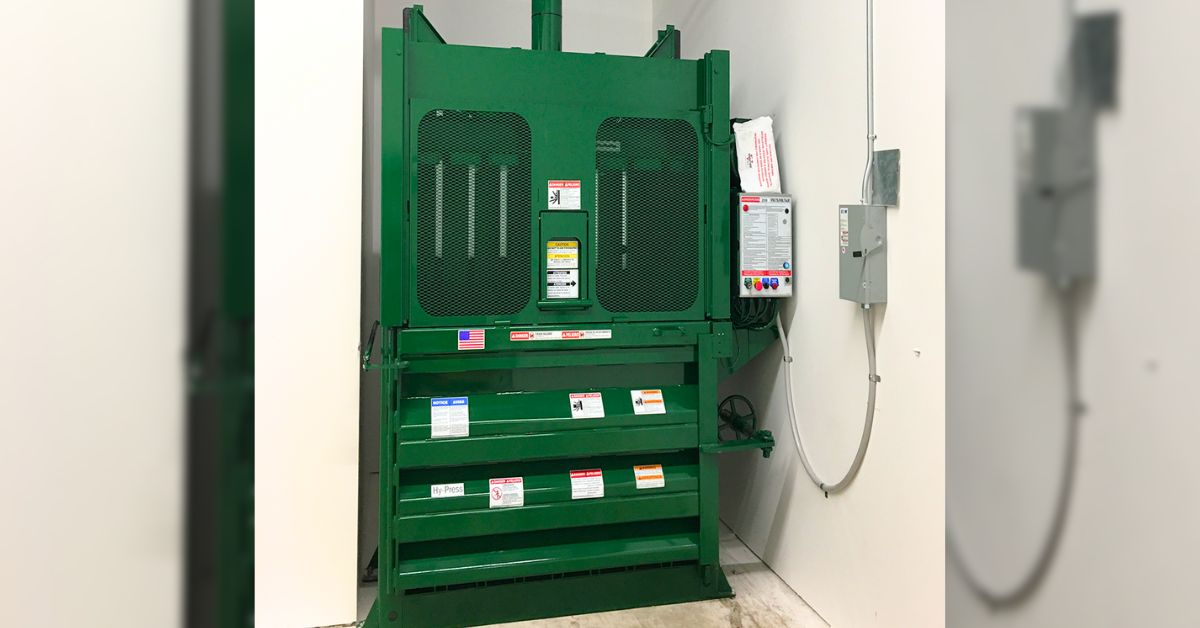
Avoid Overloading the Baler Chamber
It’s often tempting to put as much material as possible into the baler to reduce the number of cycles, but overloading is one of the most common causes of damage. Exceeding the recommended load capacity places immense stress on the baler’s frame, ram, and hydraulic system.
As such, this leads to bent components, hydraulic leaks, and even catastrophic structural failure. Adhere strictly to the manufacturer’s guidelines for load size to ensure equipment longevity.
Use the Correct Baling Wire or Strapping
Using the wrong size or type of baling wire can cause operational problems and potential damage. Wire that is too thin may snap under pressure, while wire that is too thick can jam the tying mechanism.
Always use the baling wire or strapping recommended by your baler’s manufacturer. This ensures the automatic or manual tying system functions correctly and produces secure, stable bales, preventing jams and damage to the tying components.
Schedule Professional Preventive Maintenance
While daily inspections are important, they simply cannot replace the need for periodic professional servicing. A trained technician can perform a more in-depth inspection, test system pressures, and identify wear that may not be visible to an untrained eye. Scheduling annual or semi-annual preventive maintenance visits allows an expert to adjust and replace worn parts before they fail.
Moreover, this proactive approach is far more cost-effective than paying for emergency repairs. For those who prefer a hands-off approach with predictable costs, exploring a vertical baler rentalprogram that includes maintenance is a wise financial decision.
Manage Your Baler Costs for the Long Term
By taking a proactive stance on baler care, you can significantly reduce your maintenance costs and maximize the return on your investment. Consistent daily checks, proper operator training, and scheduled professional servicing are the pillars of a successful maintenance program.
These practices save you money and make sure your waste management operations run smoothly, without interruption. If you need assistance creating a maintenance plan or require professional service, our team at Compactor Rentals of America is ready to help you keep your equipment in top condition.