Manufacturing plants generate significant waste daily. From excess raw materials and packaging scraps to defective products, the volume adds up quickly. This waste clutters your facility, drains your budget, harms the environment, and reflects poorly on operational efficiency.
Reducing waste in a manufacturing plant is essential for staying competitive. Companies that manage waste effectively lower disposal costs, improve productivity, and meet sustainability goals that customers and regulators increasingly demand.
We’re taking a closer look at several practical strategies to cut waste in your facility. You’ll discover actionable steps to streamline operations, improve material handling, and create a culture where waste reduction becomes second nature.
Conduct a Comprehensive Waste Audit
Start by understanding exactly what waste your plant produces. A thorough waste audit identifies the types, sources, and volumes of waste generated across different departments and processes.
Walk through your facility with a checklist. Document where waste accumulates, what materials get discarded most frequently, and which processes create the most scrap. Measure quantities over several weeks to account for production variability.
This baseline data reveals your biggest waste generators and helps you prioritize improvement efforts where they’ll have the most impact.
Implement Lean Manufacturing Principles
Lean manufacturing focuses on eliminating activities that don’t add value. The methodology targets seven types of waste: overproduction, waiting, transportation, excess processing, inventory, motion, and defects.
Apply lean tools like value stream mapping to visualize your production flow and spot inefficiencies. Use 5S workplace organization (Sort, Set in Order, Shine, Standardize, Sustain) to keep work areas clean and materials properly stored.
These principles help you produce only what customers need, when they need it, using the minimum necessary resources.
Optimize Inventory Management
Excess inventory ties up capital and often becomes obsolete or damaged, eventually turning into waste. Just-in-time inventory systems reduce this risk by ordering materials only as production requires them.
Track inventory turnover rates for raw materials and finished goods. Identify slow-moving items that occupy valuable space. Work with suppliers to arrange smaller, more frequent deliveries that match your production schedule.
Upgrade Equipment and Maintenance Schedules
Outdated or poorly maintained equipment often produces more waste through increased defect rates, material spillage, and inefficient resource use.
Invest in modern machinery designed for precision and minimal waste generation. Implement preventive maintenance programs that keep equipment running at peak performance. Regular calibration ensures machines operate within specifications, reducing scrap from off-target production.
Well-maintained equipment also lasts longer, delaying the need for replacement and preventing the waste associated with disposing of old machinery.
Train Employees on Waste Reduction Techniques
Your workforce plays a critical role in waste reduction. Employees who understand why waste matters and how to prevent it become active participants in improvement efforts.
Provide regular training on proper material handling, equipment operation, and quality control procedures. Teach workers to identify waste sources and report improvement opportunities. Create incentive programs that reward teams for meeting waste reduction targets.
When employees feel ownership over waste initiatives, compliance improves and innovative solutions emerge from the shop floor.
Redesign Processes for Efficiency
Sometimes waste stems from process design rather than execution. Review your production methods to identify opportunities for simplification or reconfiguration.
Can you combine steps to reduce handling? Would different sequencing minimize scrap? Could alternative techniques use materials more efficiently? Small process changes often yield significant waste reductions.
Consider the following improvements:
- Nest cutting patterns to maximize material usage
- Adjust batch sizes to reduce changeover waste
- Standardize components across product lines
- Eliminate unnecessary packaging layers
Source Materials Strategically
The materials you purchase directly affect how much waste you generate. Partner with suppliers who offer products in quantities that match your needs, reducing packaging waste and leftover materials.
Buy materials with consistent quality to minimize defects. Choose recyclable or biodegradable options when possible. Request bulk packaging or reusable containers instead of single-use wrapping.
Strategic sourcing reduces waste before it enters your facility while often lowering procurement costs.
Establish Recycling and Reuse Programs
Not all waste is truly waste. You can recycle, repurpose, or sell many materials to other industries that use them as raw inputs.
Separate waste streams at the source to make recycling easier. Set up collection points for metal scrap, cardboard, plastics, and other recyclable materials. Partner with recycling or waste companies that pick up these materials regularly.
Look for opportunities to reuse materials internally. Packaging materials from incoming shipments might protect outgoing products. Scrap from one process could serve as raw material for another.
Monitor and Measure Performance
You can’t improve what you don’t measure. Establish key performance indicators (KPIs) that track waste generation, disposal costs, and recycling rates.
Calculate metrics like waste per unit produced, total waste by type, and waste diversion rate—the percentage of waste recycled versus landfilled. Review these numbers monthly to spot trends and assess whether improvement initiatives deliver results.
Share performance data with your team. Transparency around progress motivates continued effort and identifies when additional action is needed.
Invest in Proper Waste Handling Equipment
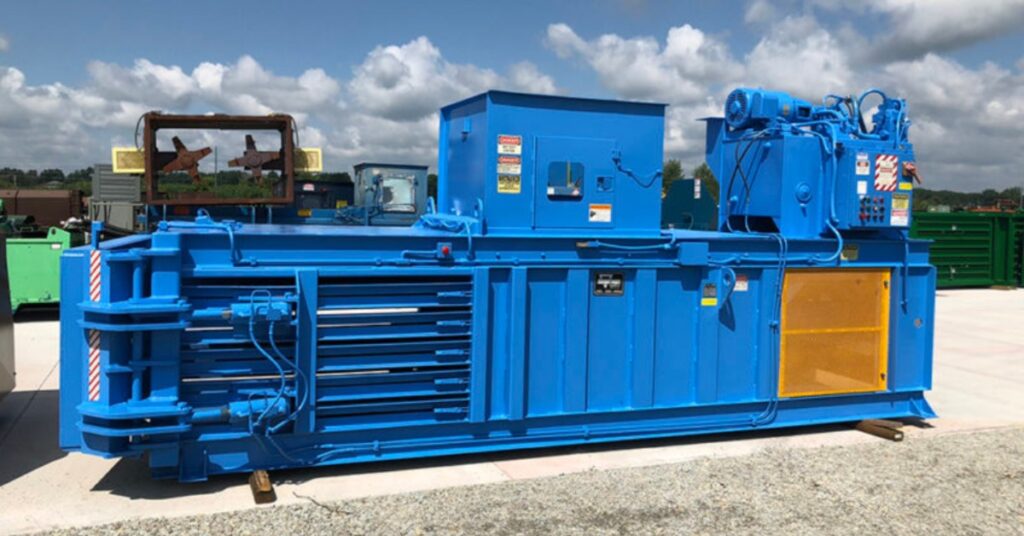
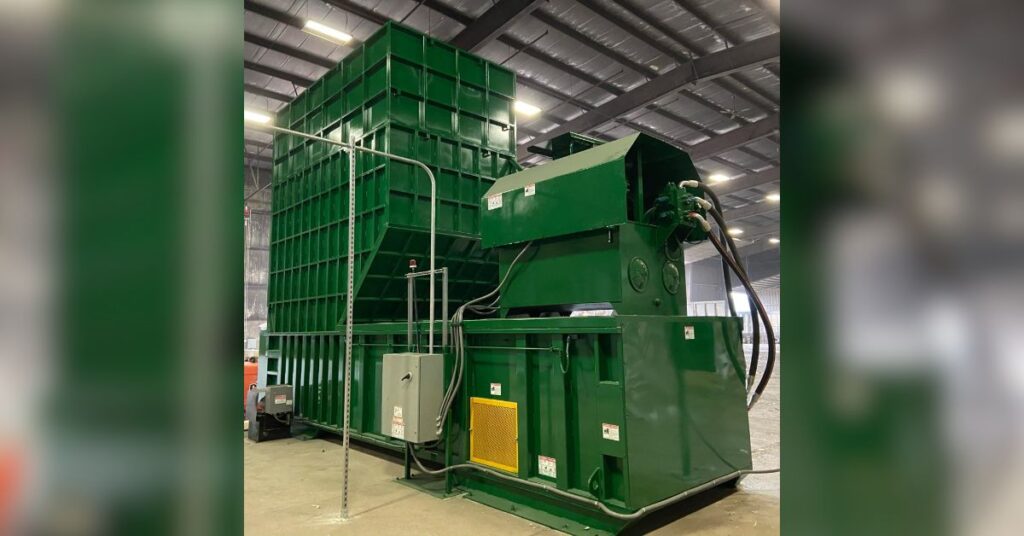
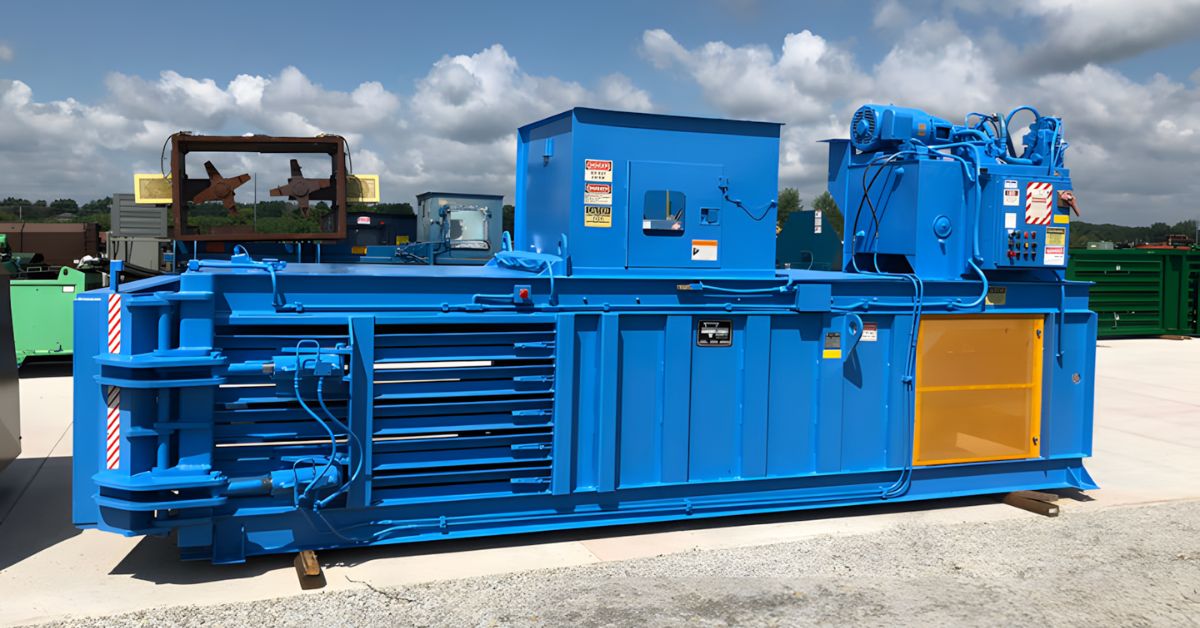
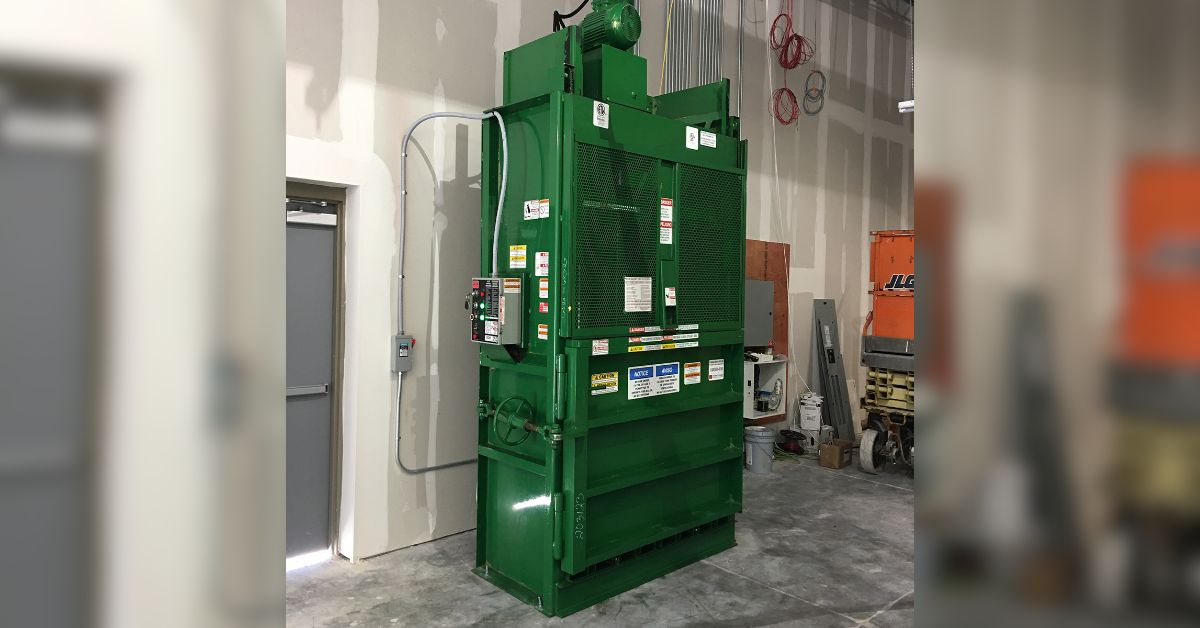
Efficient waste management requires the right tools. Compactors reduce waste volume, lowering hauling frequency and disposal costs. Balers bundle recyclable materials for easier transport and higher resale value.
For facilities with variable waste volumes, a trash compactor rental provides flexibility without the capital investment of purchasing equipment. This option lets you scale capacity up or down based on production needs.
Proper waste handling equipment also improves workplace safety by containing waste securely and keeping work areas cleaner.
Engage With Sustainability Certifications
Pursuing certifications like ISO 14001 (Environmental Management Systems) or Zero Waste certification provides structure for your waste reduction efforts. These frameworks offer proven methodologies and external validation of your progress.
Certification processes require documentation, regular audits, and continuous improvement. While demanding, they drive meaningful change and enhance your reputation with environmentally conscious customers and partners.
Start Reducing Waste Today
Reducing waste in your manufacturing plant requires commitment across all levels of your organization. The strategies outlined here provide a roadmap, but success depends on consistent application and willingness to adapt as you learn what works best for your specific operations.
Begin with a waste audit to understand your baseline. Select two or three high-impact strategies from this list to implement first. As those become routine, expand your efforts to additional areas.
Need help managing your facility’s waste more effectively? Contact our team at Compactor Rentals of America to discuss solutions tailored to your manufacturing operation’s unique needs. We’ll help you reduce disposal costs while meeting your environmental goals.